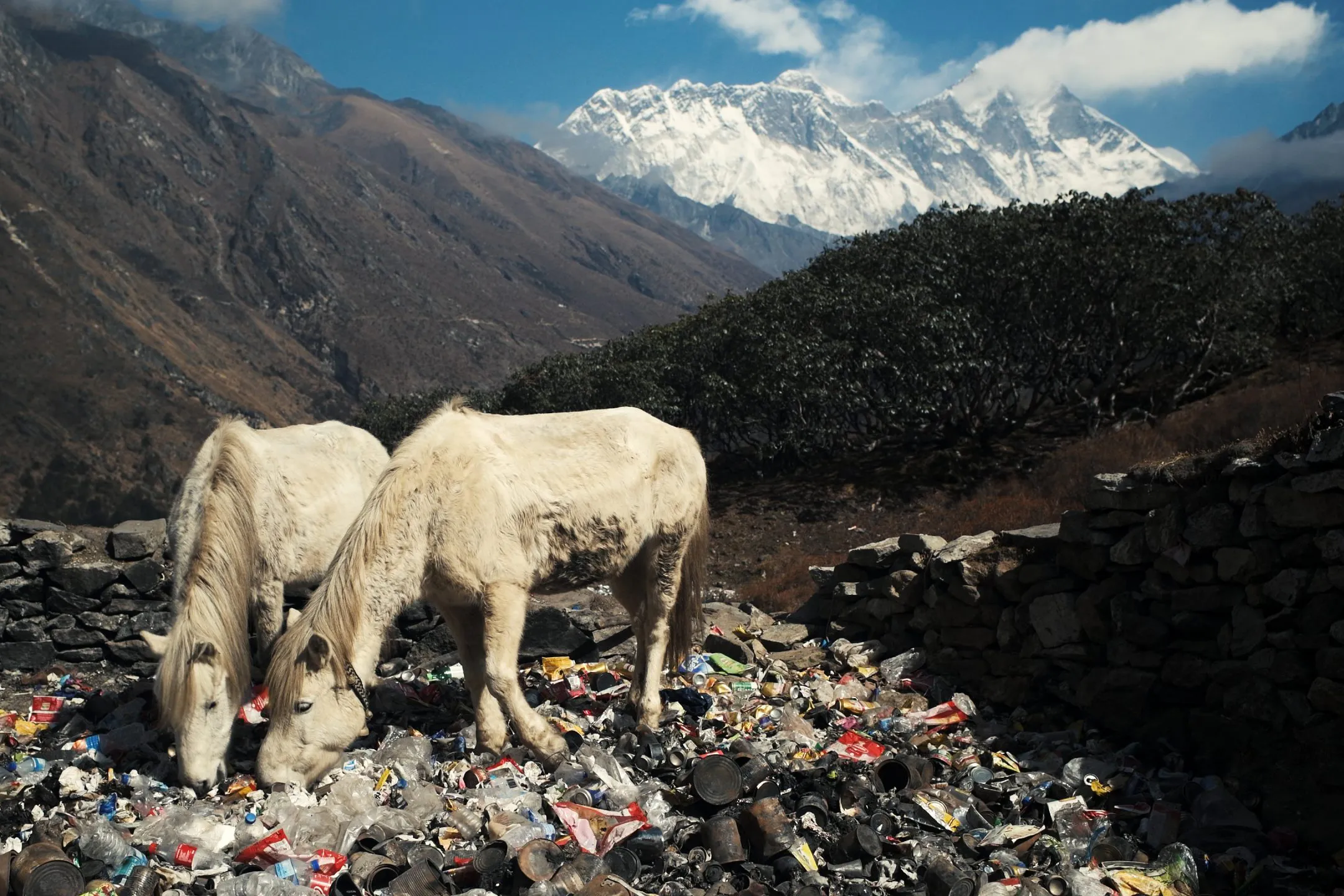
Everest Trash: A local story with global implications
Since 2011, Martin Edström has documented how Everest’s tourism boom is reshaping the Khumbu valley, working across stills, reportage, 360-video and immersive exhibits.
Up close, it’s the price of fame: tons of trash, a strained local culture, and a fragile ecology buckling under millions of visitors. From Martin’s stills to a 360-video for National Geographic and now films and immersive exhibits at the Sagarmatha Next experience center, the work has been used worldwide to illustrate what’s happening on the world’s highest mountain.
Sagarmatha Next film, voiced by Conrad Anker
Released in spring 2023, the Sagarmatha Next introduction film is narrated by climber Conrad Anker and centers Sherpa voices in describing the waste challenge and the Carry Me Back response. Directed by Martin Edström and produced by IVAR Studios, the film has since been nominated for over 20 awards and won more than ten. Read the introduction-film case study.
Sagarmatha Next
Together with IVAR Studios, Martin has been working with the Nepalese organization Sagarmatha Next to turn the waste story into something visitors can act on. The Sagarmatha Next experience center sits at Syangboche, on the ridge above Namche Bazaar at 3,775 metres along the main trail to Mount Everest. Since opening, the center has educated more than 15,000 visitors, and through its Carry Me Back volunteer program — where trekkers carry 1 kg of pre-sorted waste back down to Lukla — over 6,000 participants have helped move more than 10,000 kg of trash out of the high Khumbu.
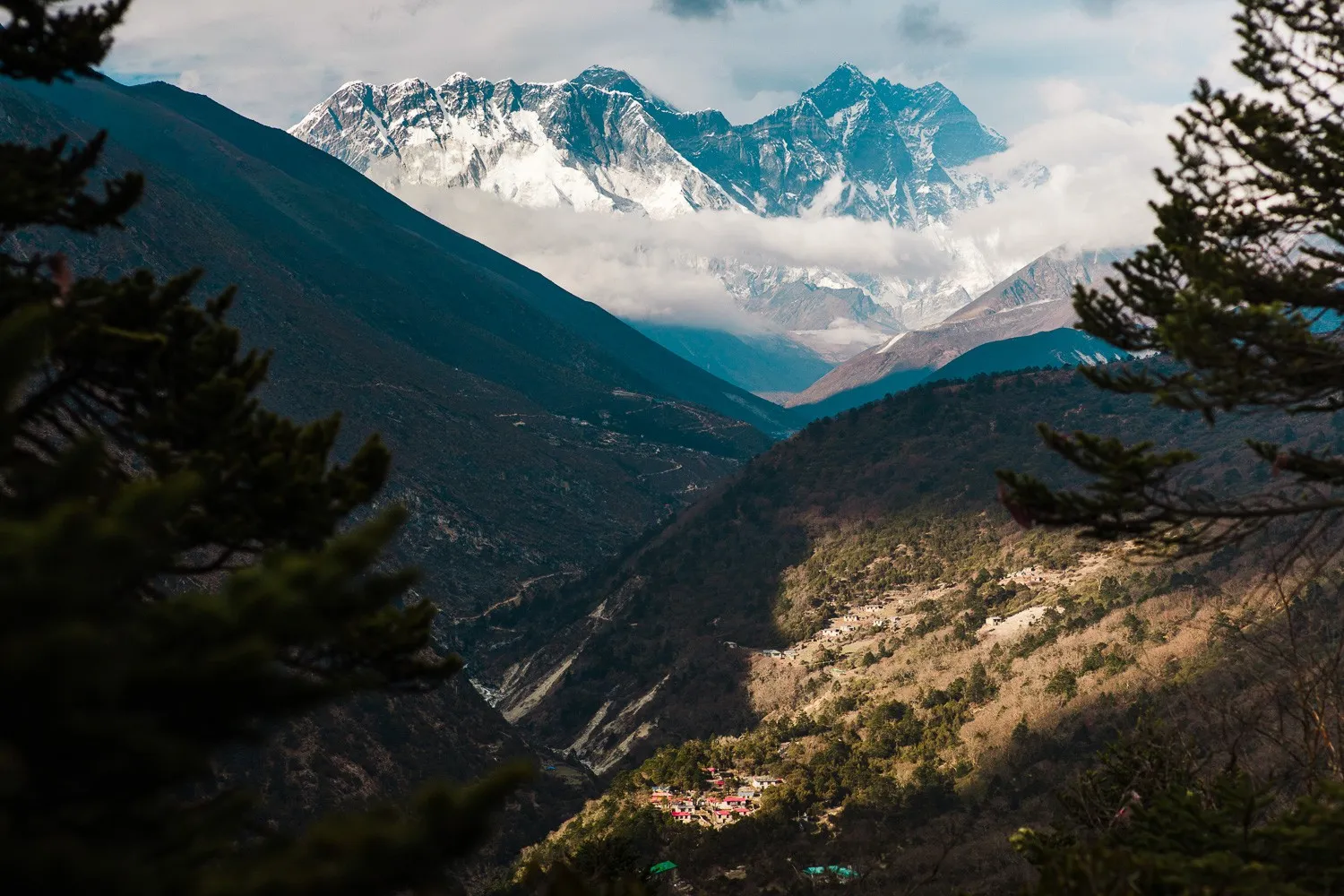
Martin and IVAR Studios produced the storytelling layer of the center: an introduction film, a set of VR experiences taking visitors to the high peaks, and a physical interactive digital exhibition. Read the experience-center case study for the full breakdown.
National Geographic VR story
Published in 2019, Martin captured a 360-video story called “Clearing Everest’s Trash” that was published as part of National Geographic’s VR platform. It offers a good introduction to the problem this region is facing, featuring the SPCC (Sagarmatha Pollution Control Committee) being heard as the major voice.
Exploring the issue on a visual level, this short piece helps put a point on the problem — and leading into the thoughts of what needs to come if we are to change this narrative into a successful example of sustainable tourism.
Background of Sagarmatha National Park

The Everest region, the Khumbu valley and Sagarmatha National Park used to be a remote wilderness. It still is, and would still be. But for a mountain named Mt Everest.
The Himalayan wilderness beneath Sagarmatha (the Nepali word for Mount Everest) remained largely untouched for centuries, home to no one but a few monks settling here a few centuries ago.
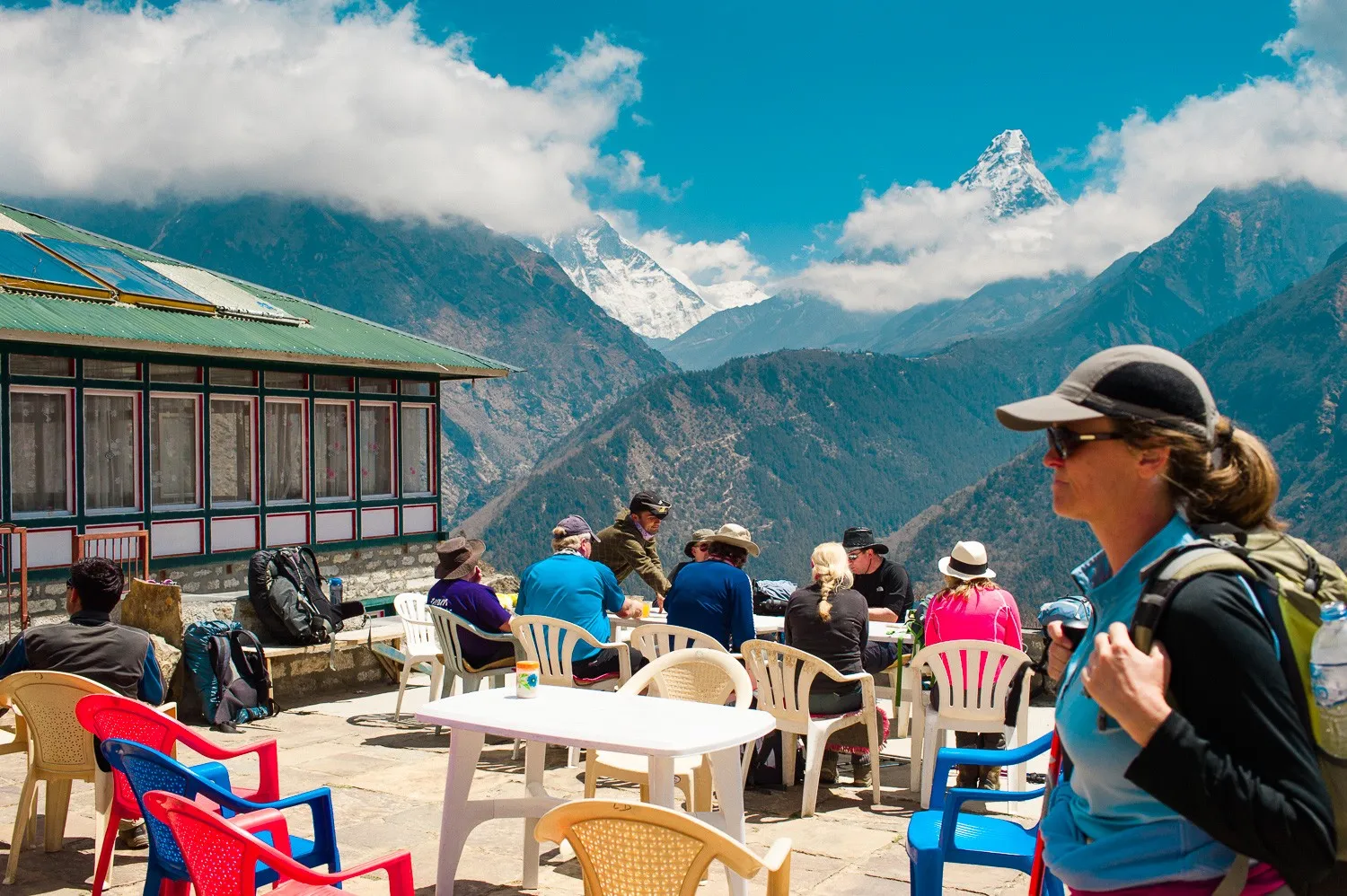
The Khumbu valley in transition
Since Edmund Hillary and Tenzing Norgay’s famous first ascent of Mount Everest, the world’s highest mountain, the region has attracted an ever-increasing flow of visitors — climbers and travelers alike.
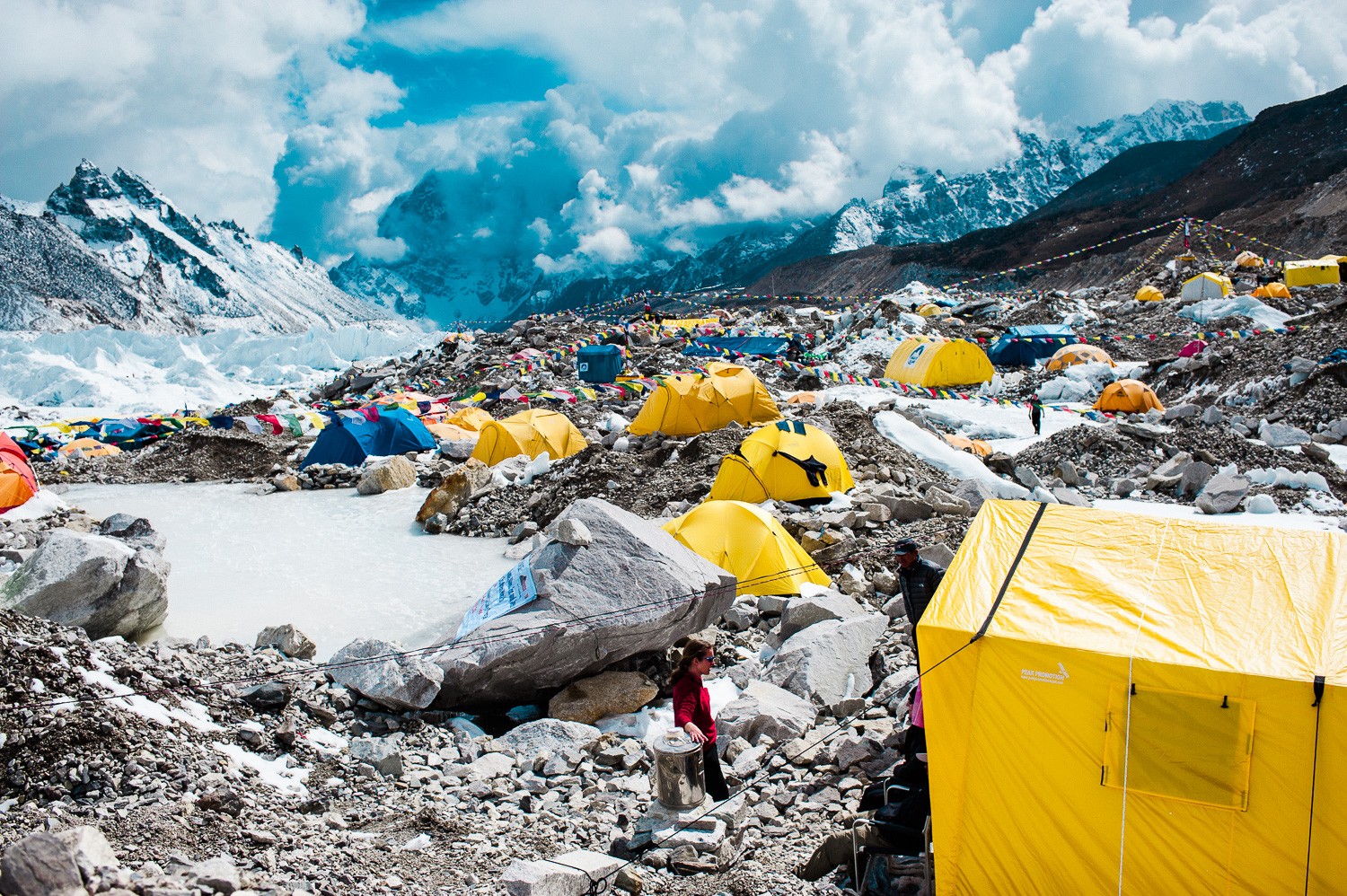
The Basecamp of Mount Everest is a top destination for globetrotting travelers. Most people just come up here for a few hours, and then start their trek down again. Throughout the course of a few months every year, during Everest climbing season, Everest basecamp becomes the largest settlement in the region.
Adding it all up, almost a hundred thousand people trek through this fragile ecosystem every single year.
Every year over 50 000 visitors come to trek through the region, most of them heading for Mount Everest. Every visitor brings an additional 1-2 people such as porters and guides.
The enormous growth in visitors has brought great strains on the natural environment and produced mountains of rubbish — from base camp and the high ‘death zone’ all the way down to the villages and communities that were here long before the climbing industry.
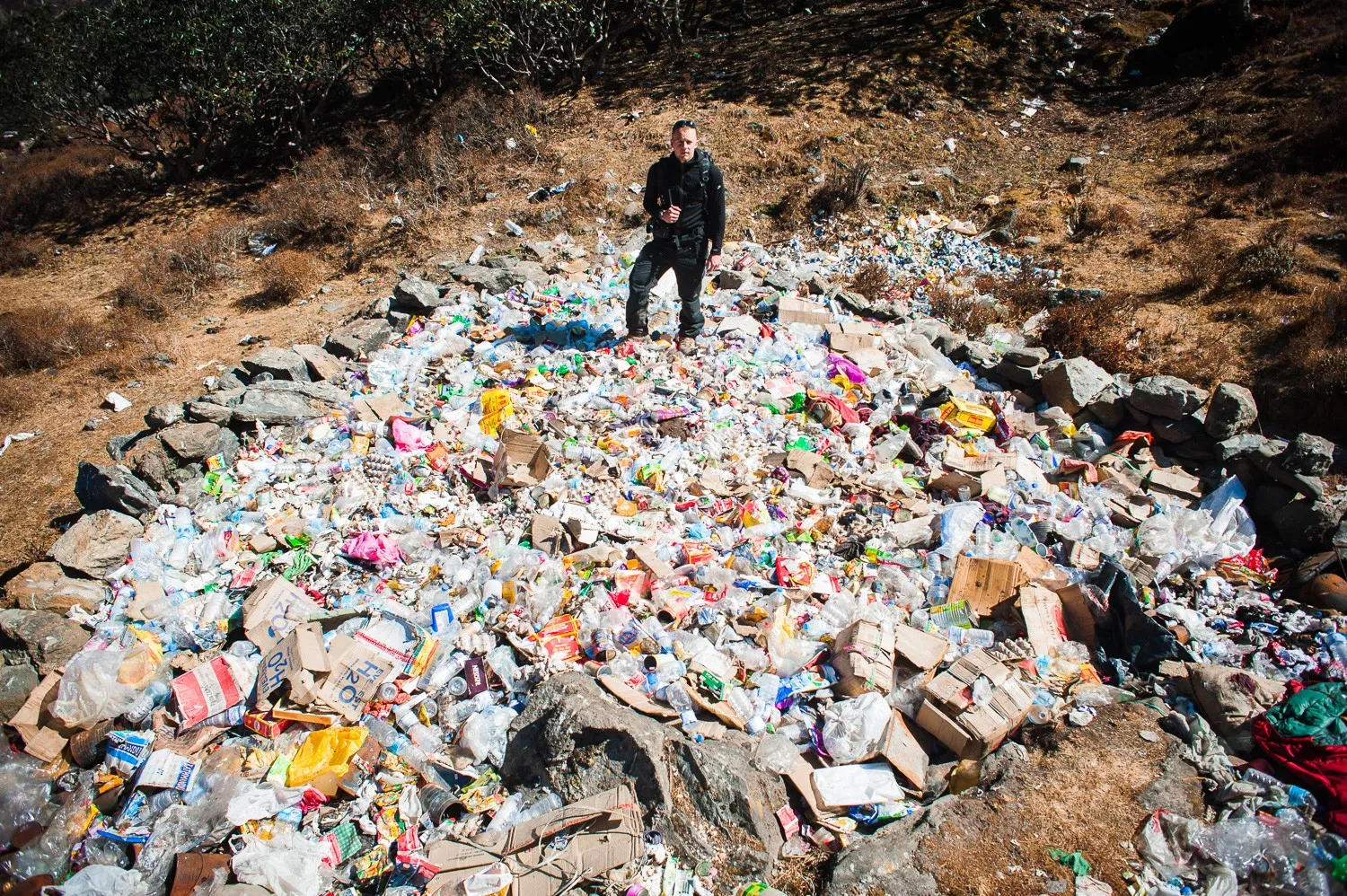
The Everest trash problem
The question is: How did a Himalayan Shangri-La turn into the highest wastedump in the world?
In Sherpa villages along the trekking routes there has never been a sustainable waste disposal system in place. As the tourism business of today leaves 50 tons of waste behind every season, year after year, the consequences have been an eyesore and a threat to the fragile environment.
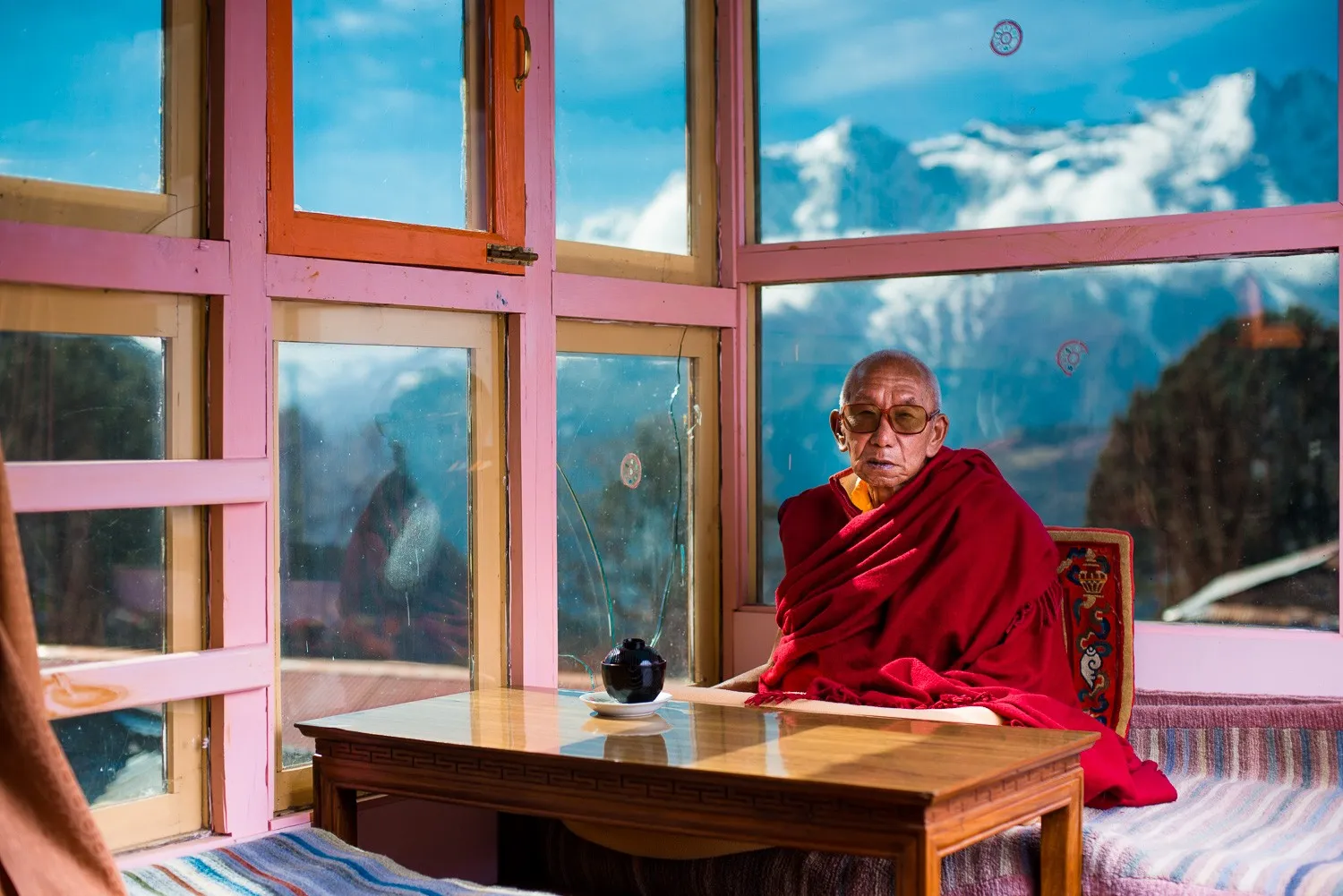
Talking about the past, the oldest monks and villagers in the Khumbu valley see a big difference from before tourism was a factor.
We almost never had a problem with waste. What waste we produced washed away with snow and rain. The waste of today — metal tins, paper and plastic — can’t be taken away just by snow or rain.
— Rimpuche Nawang Tenzing Sangbu, Lama in the monastery of Tengboche
Living proof of how fast change can come, the head lama of Tengboche monastery gives insight on how conditions can change radically within a lifetime.
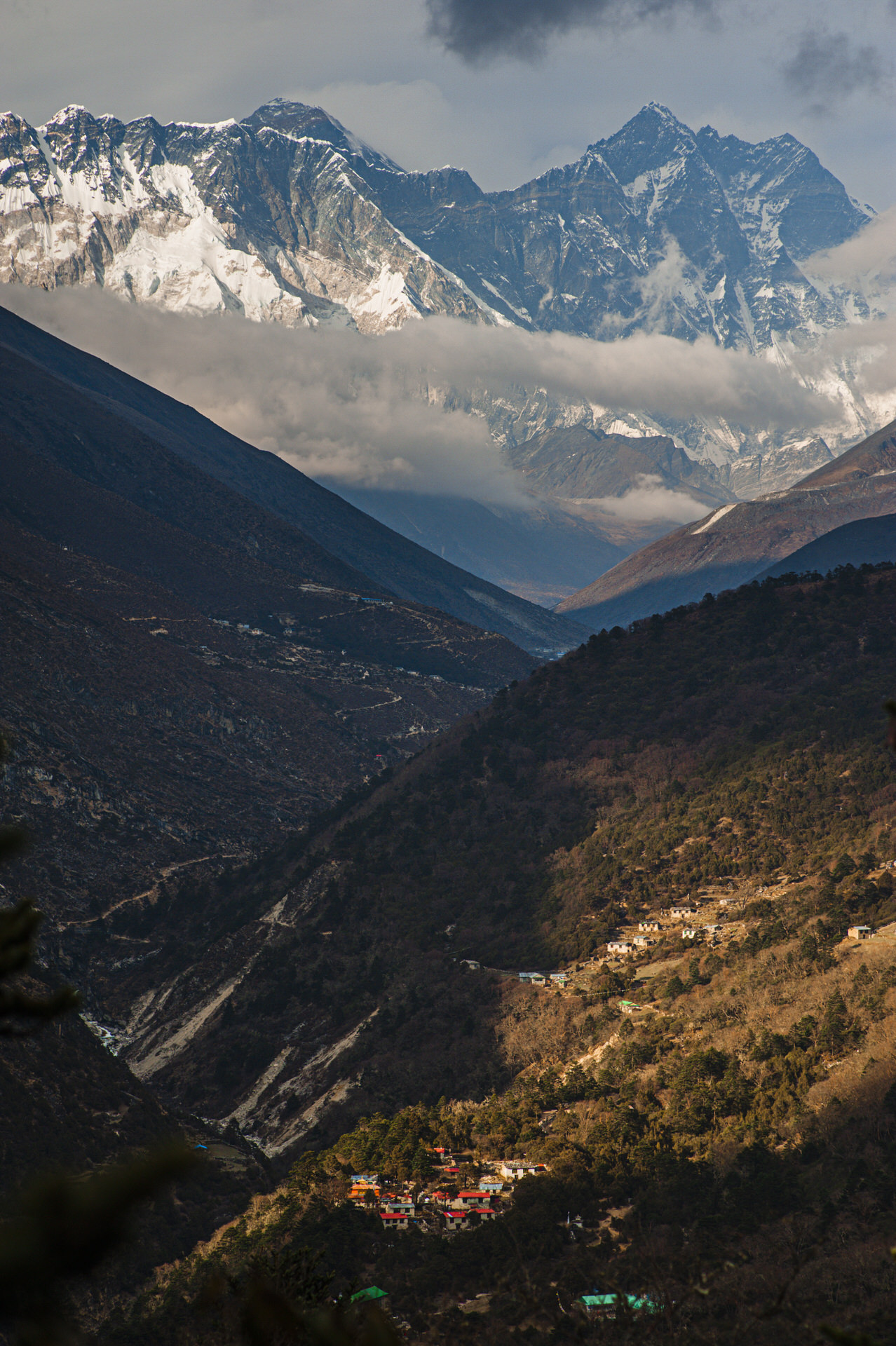

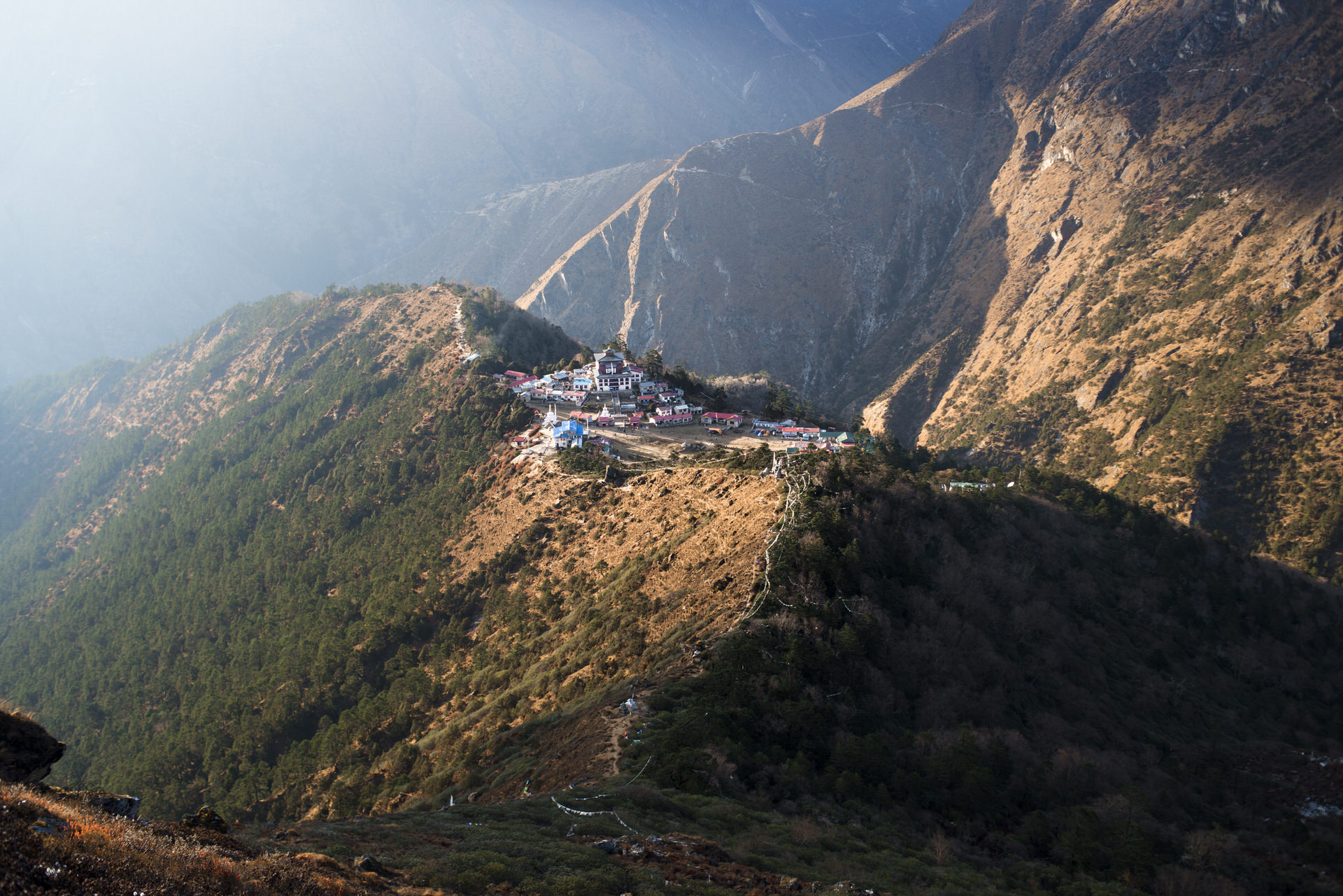
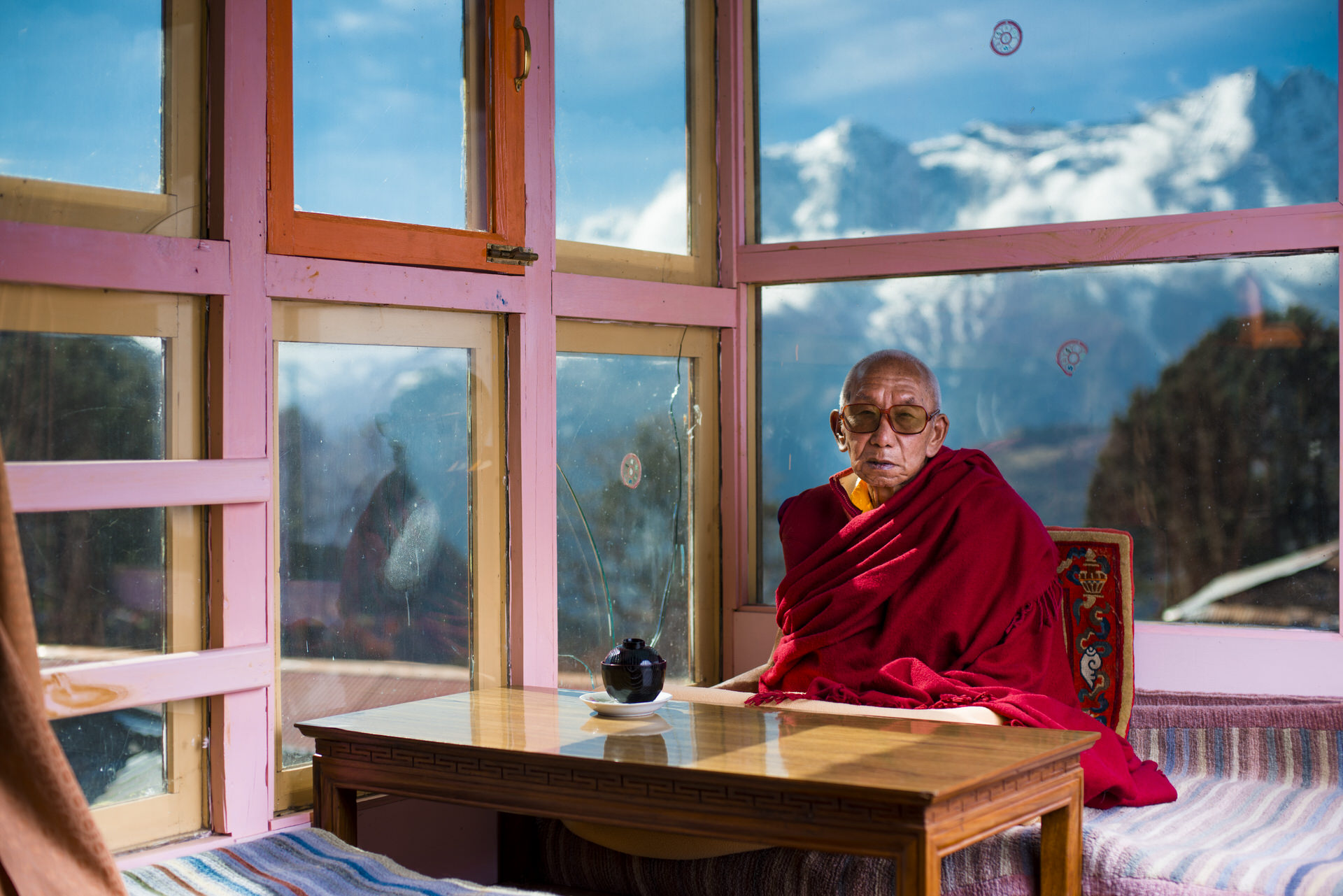
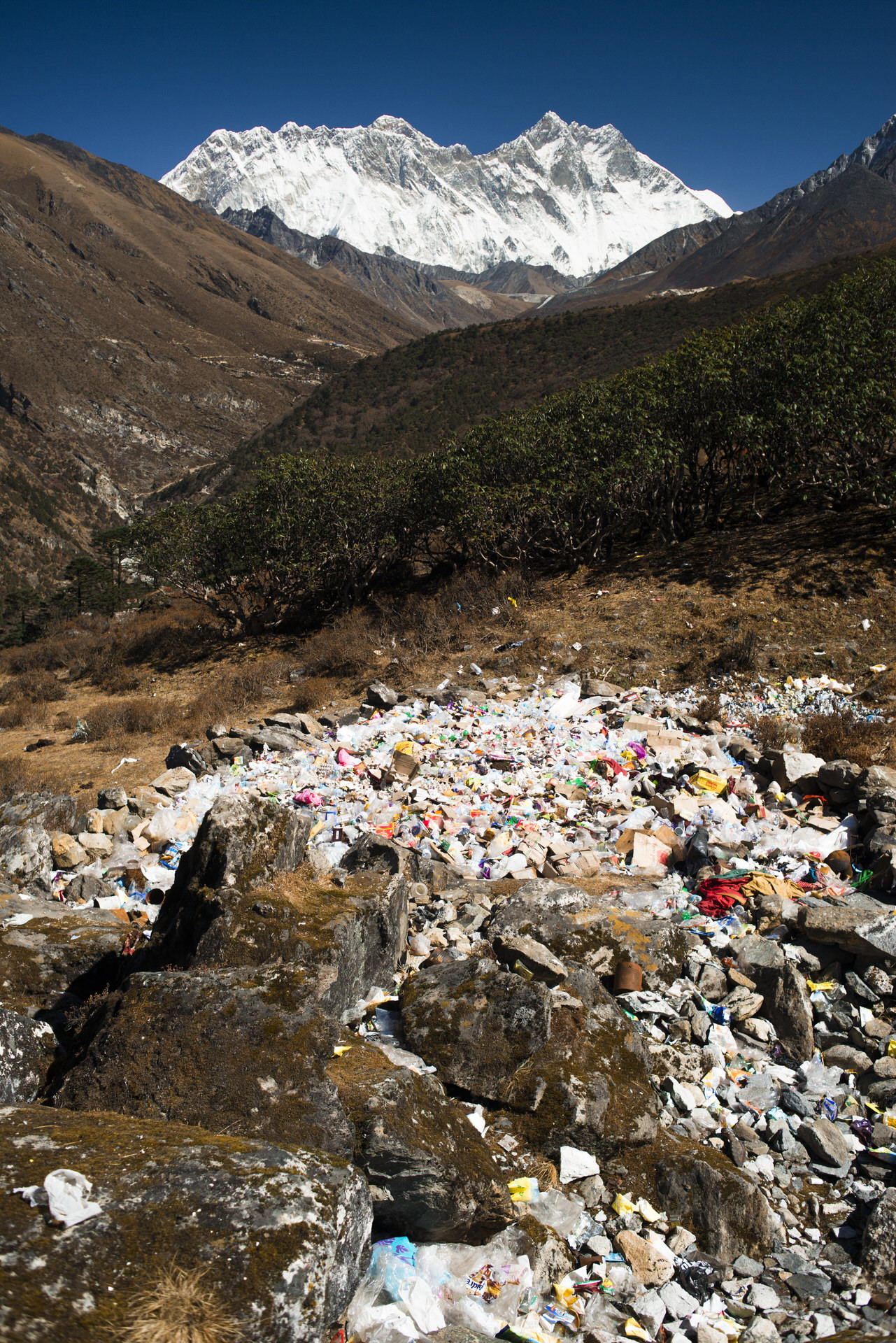
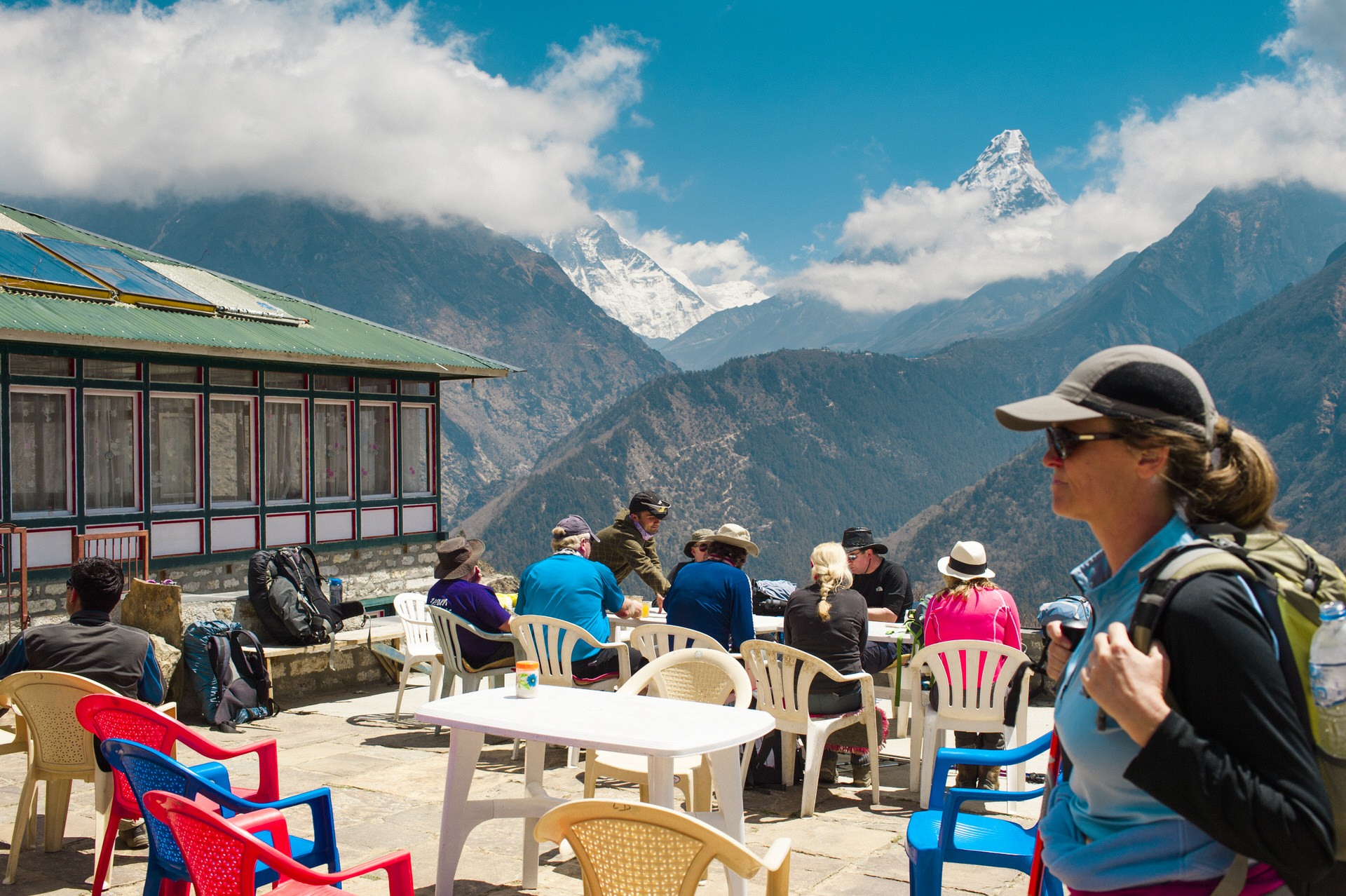
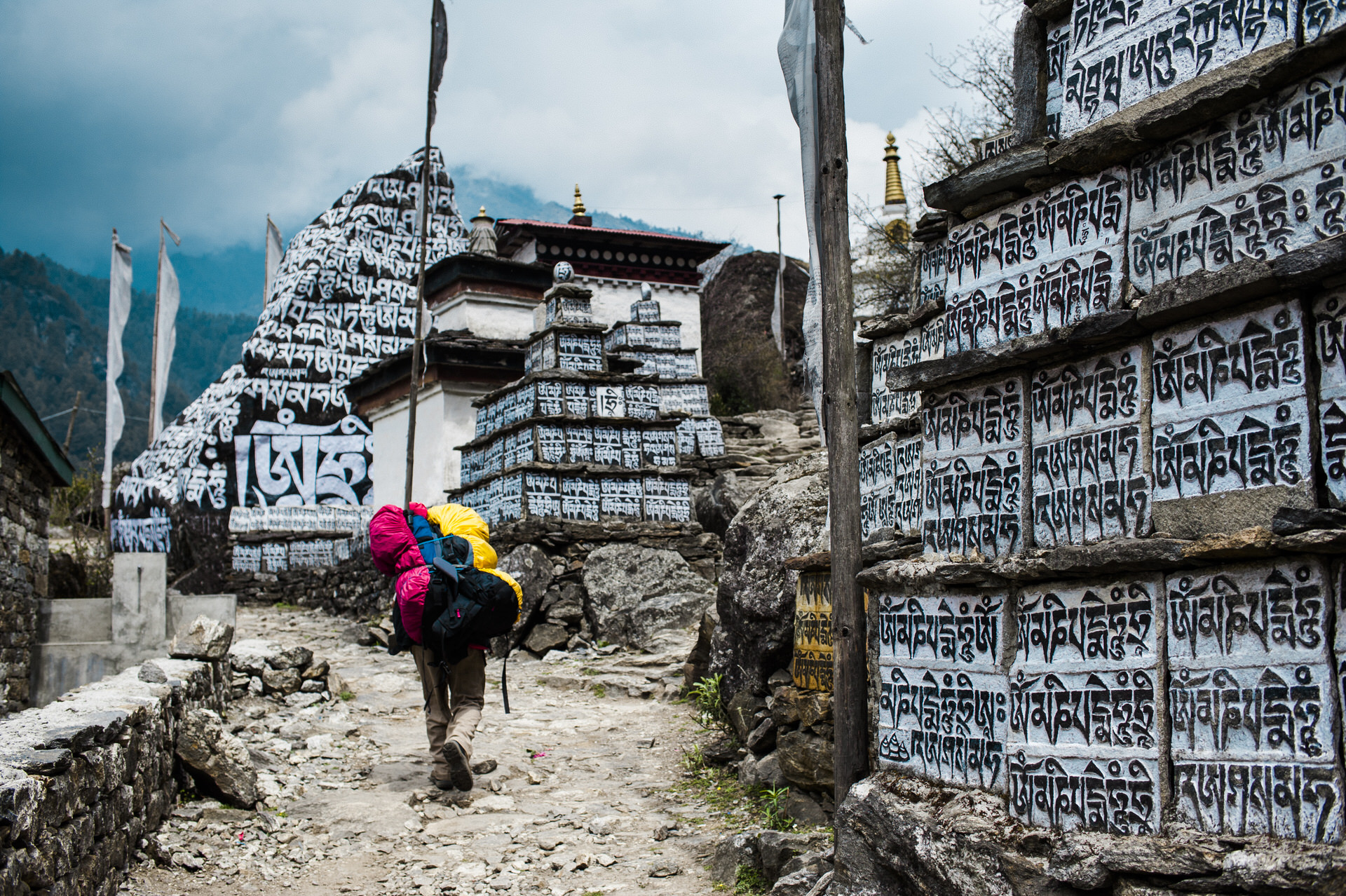
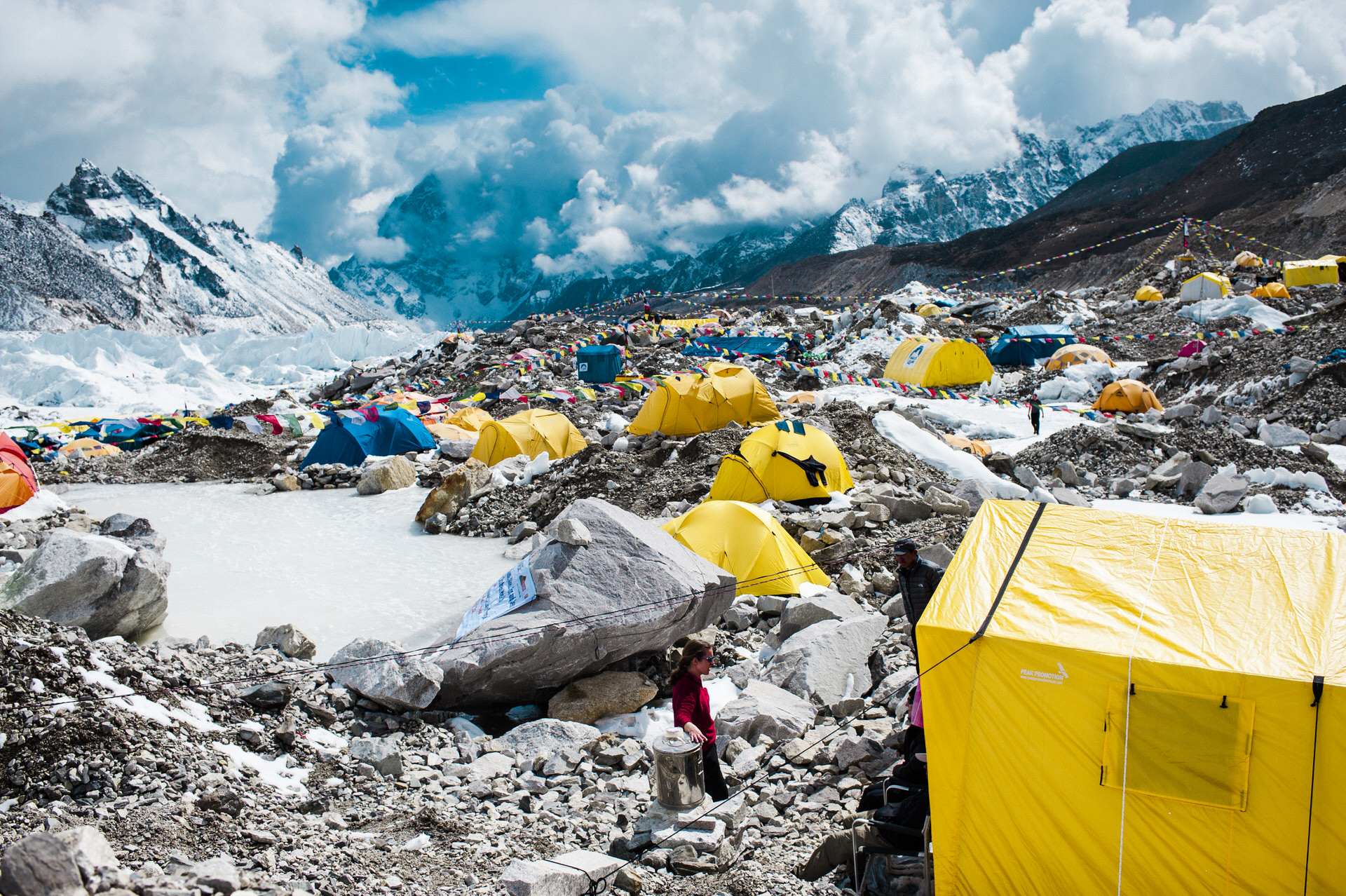
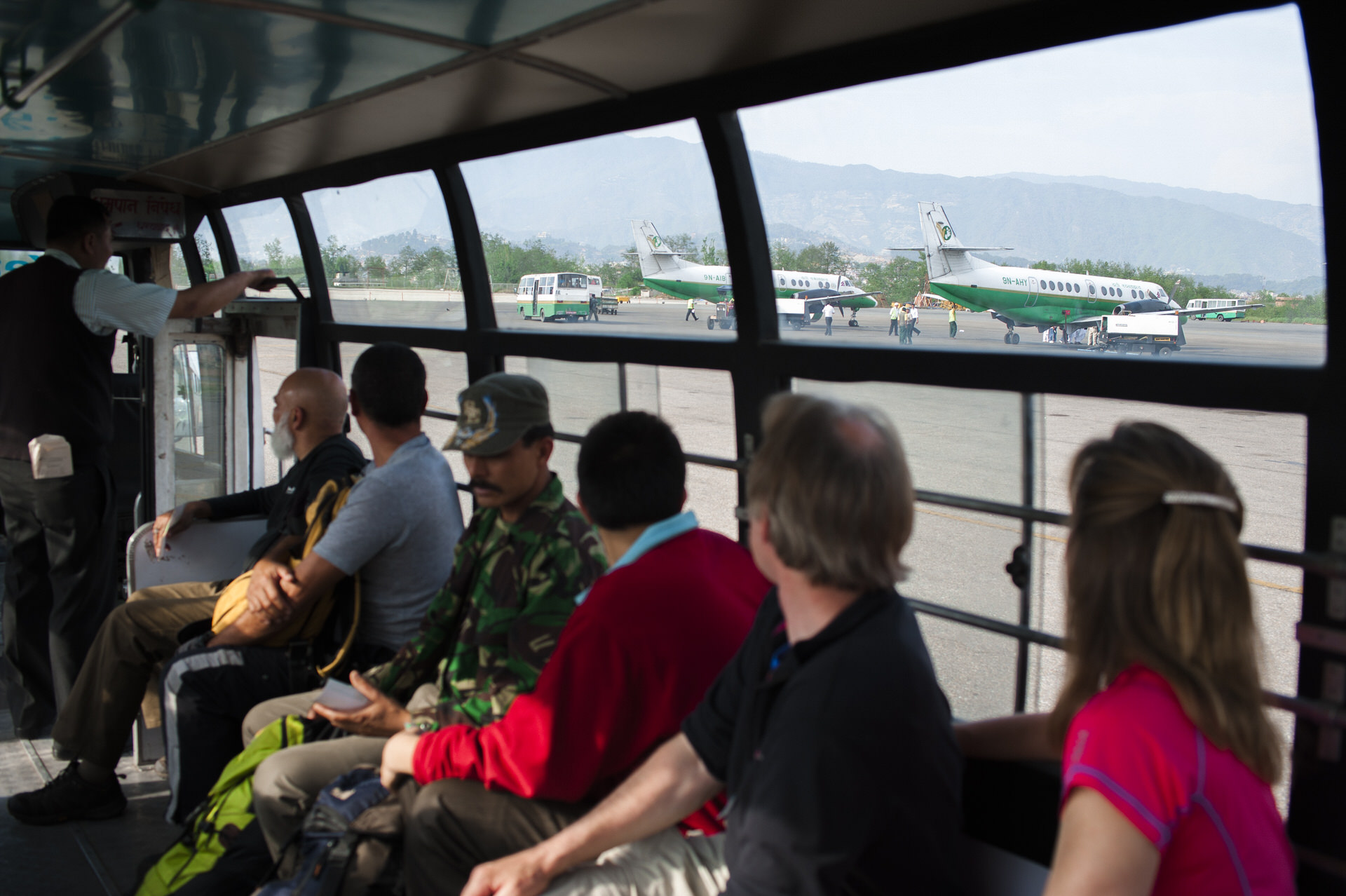
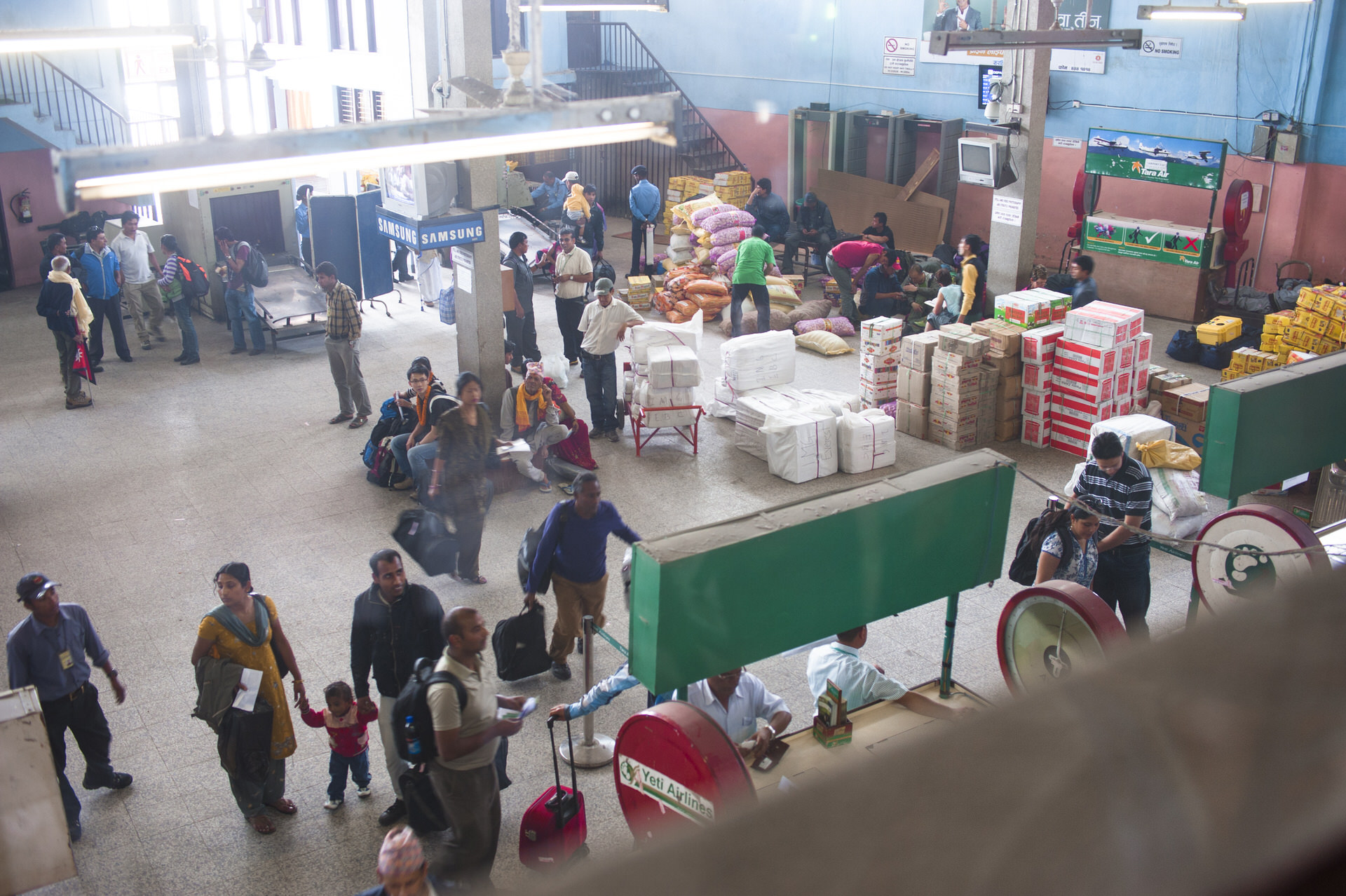
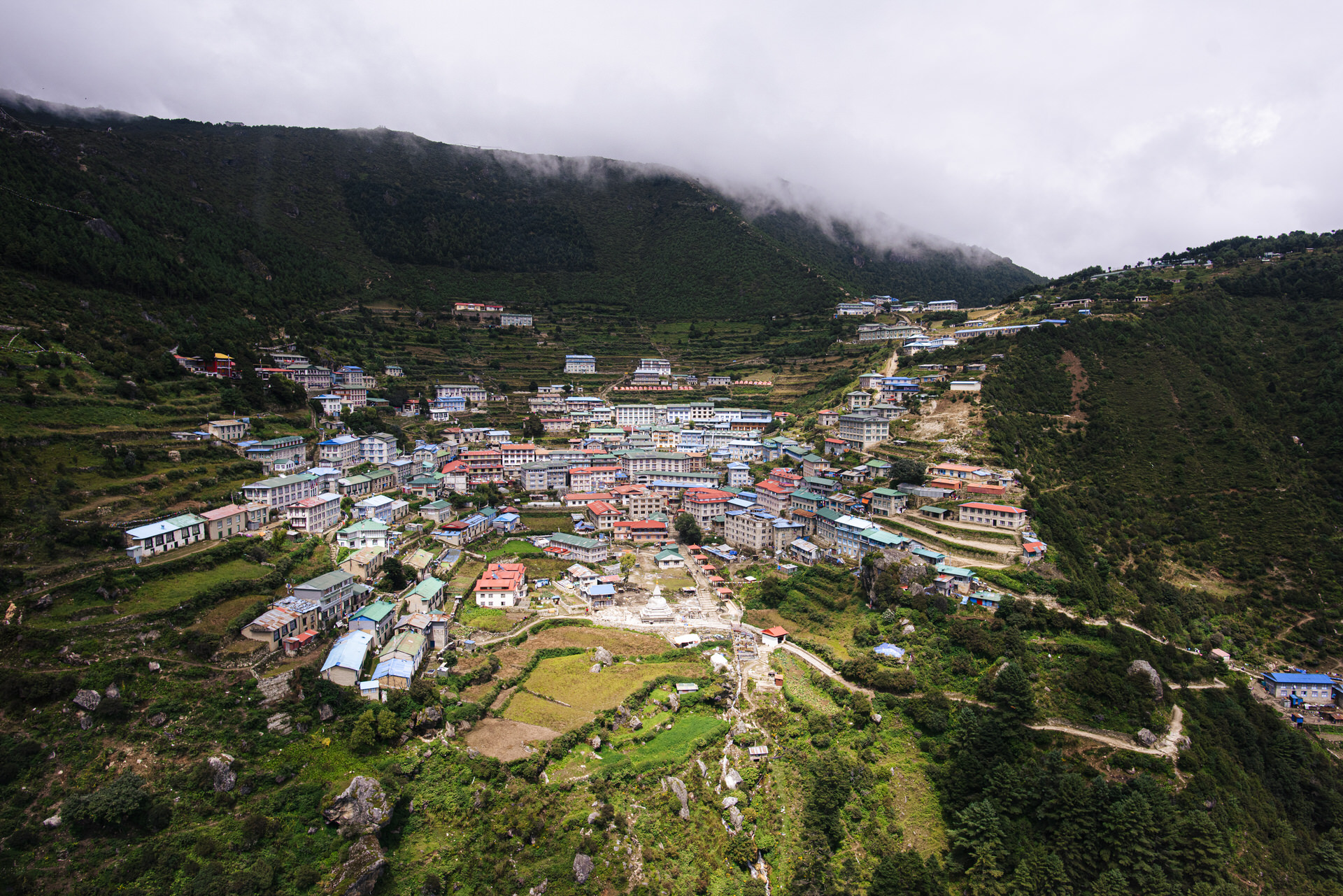
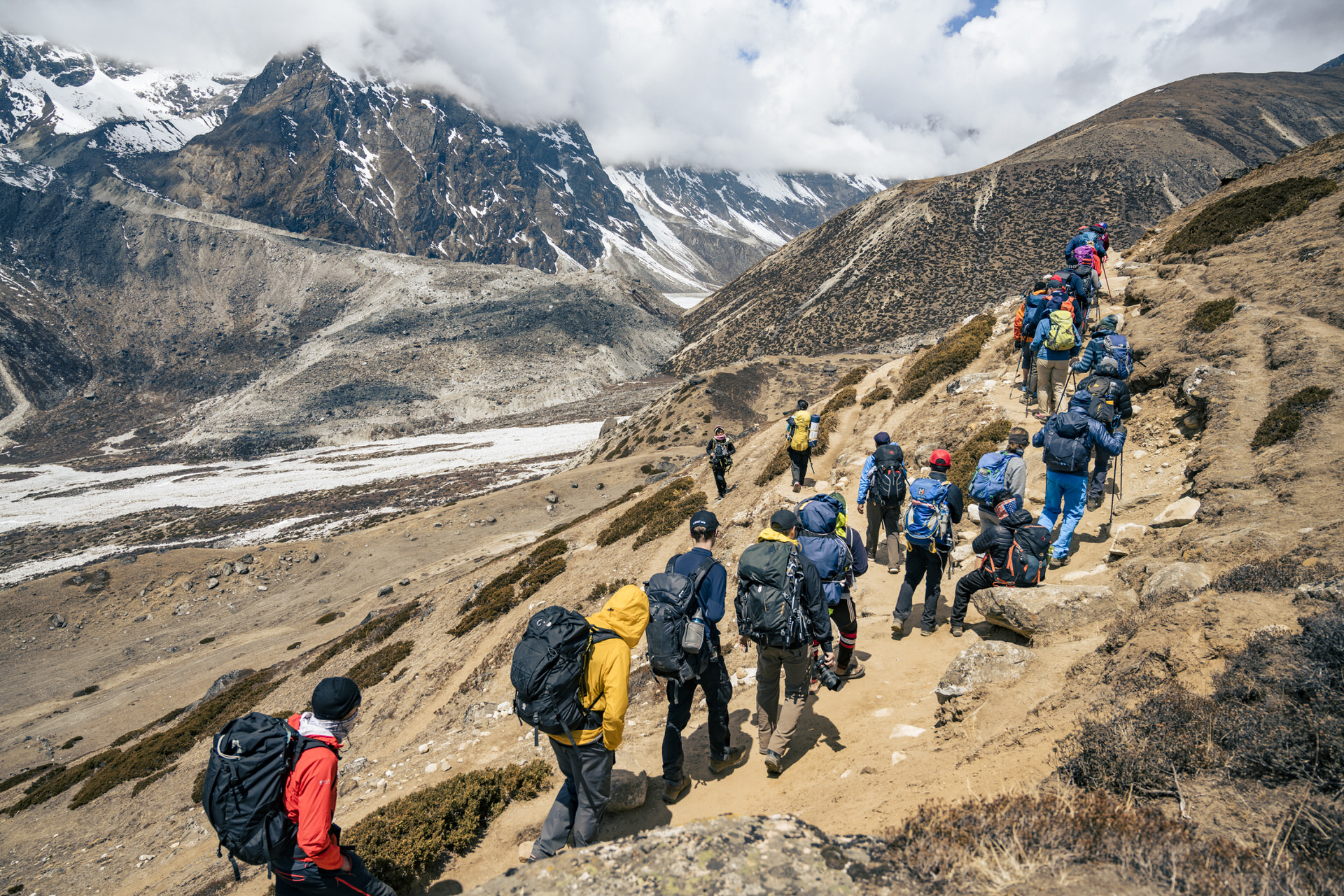
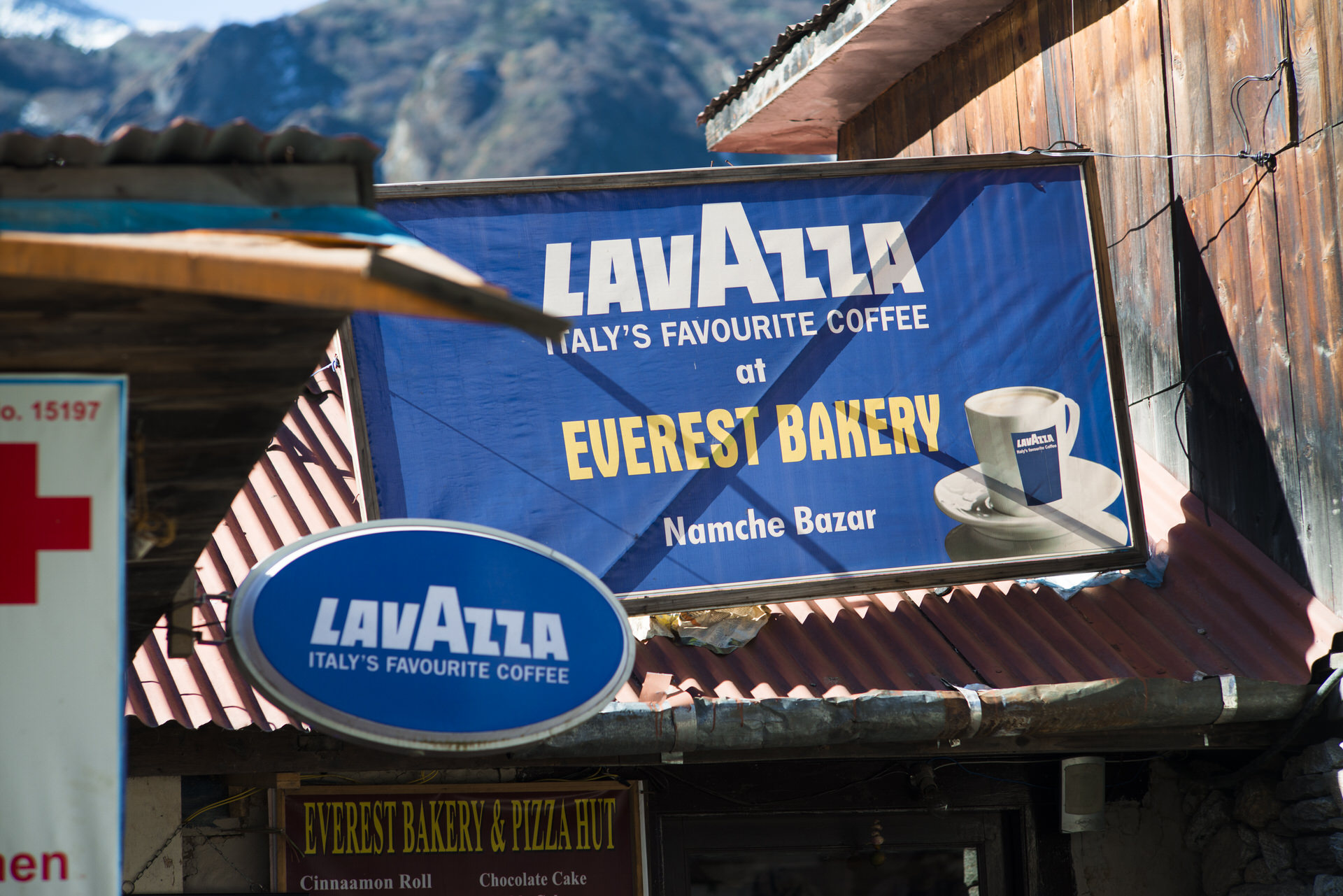
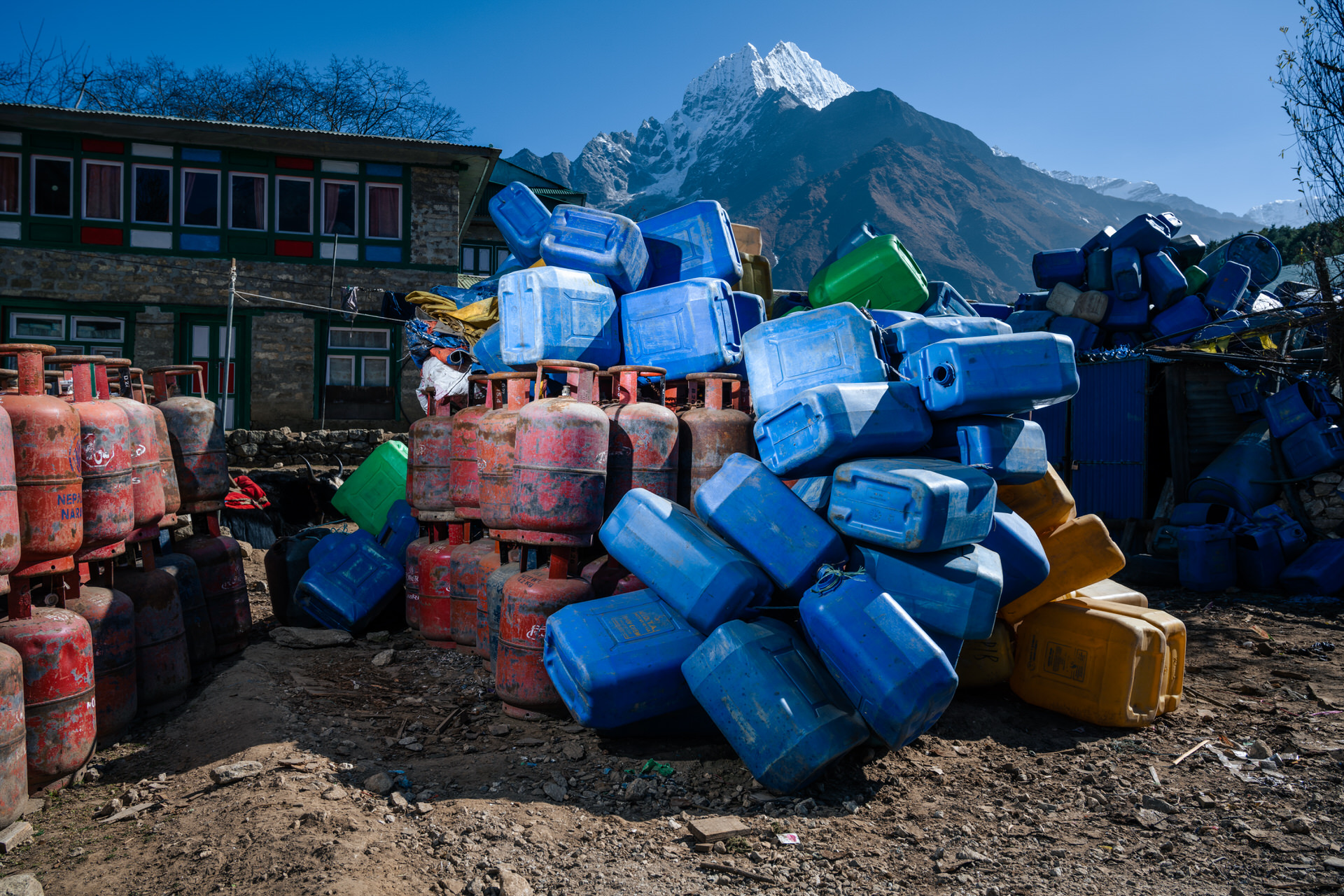
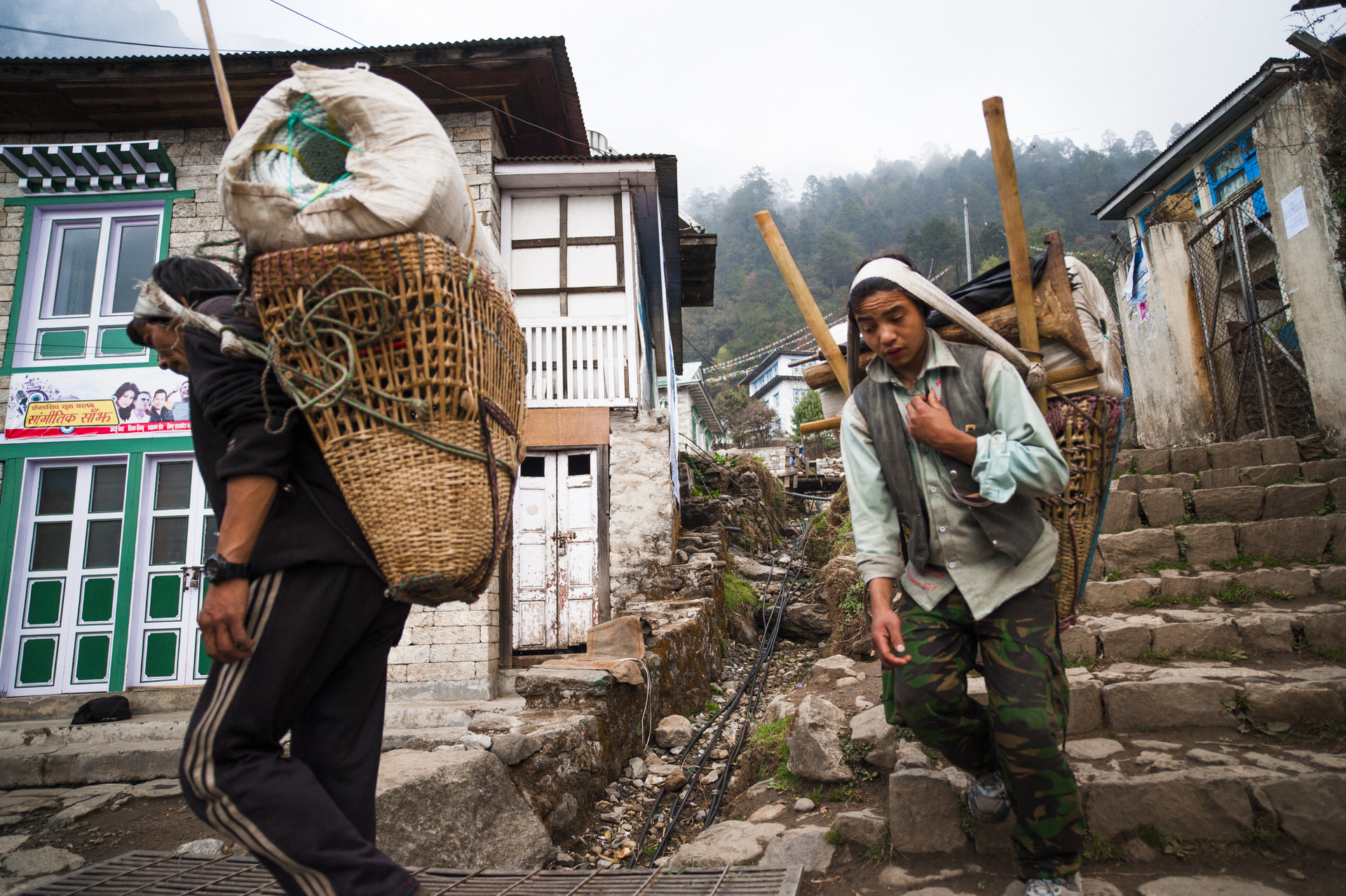
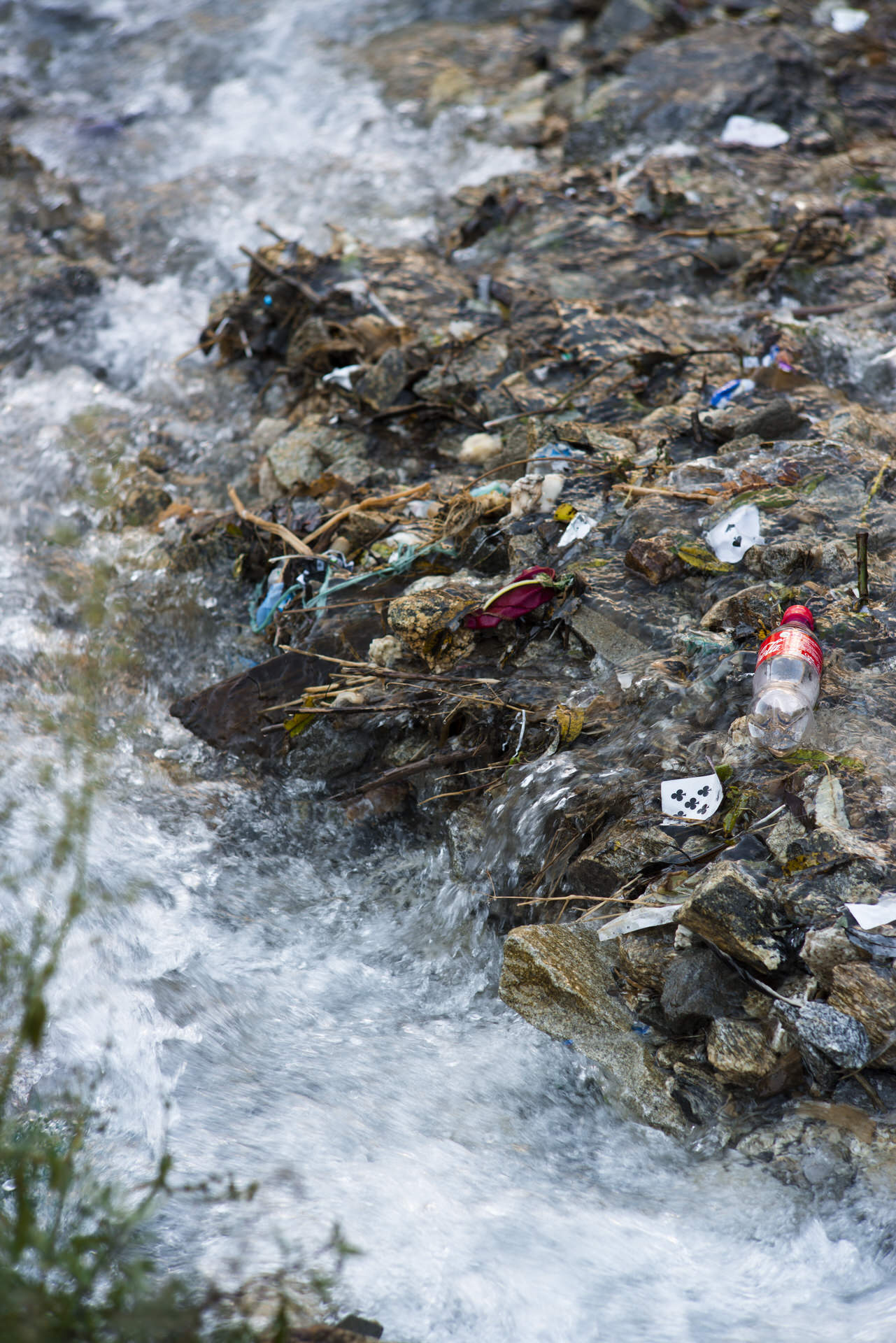
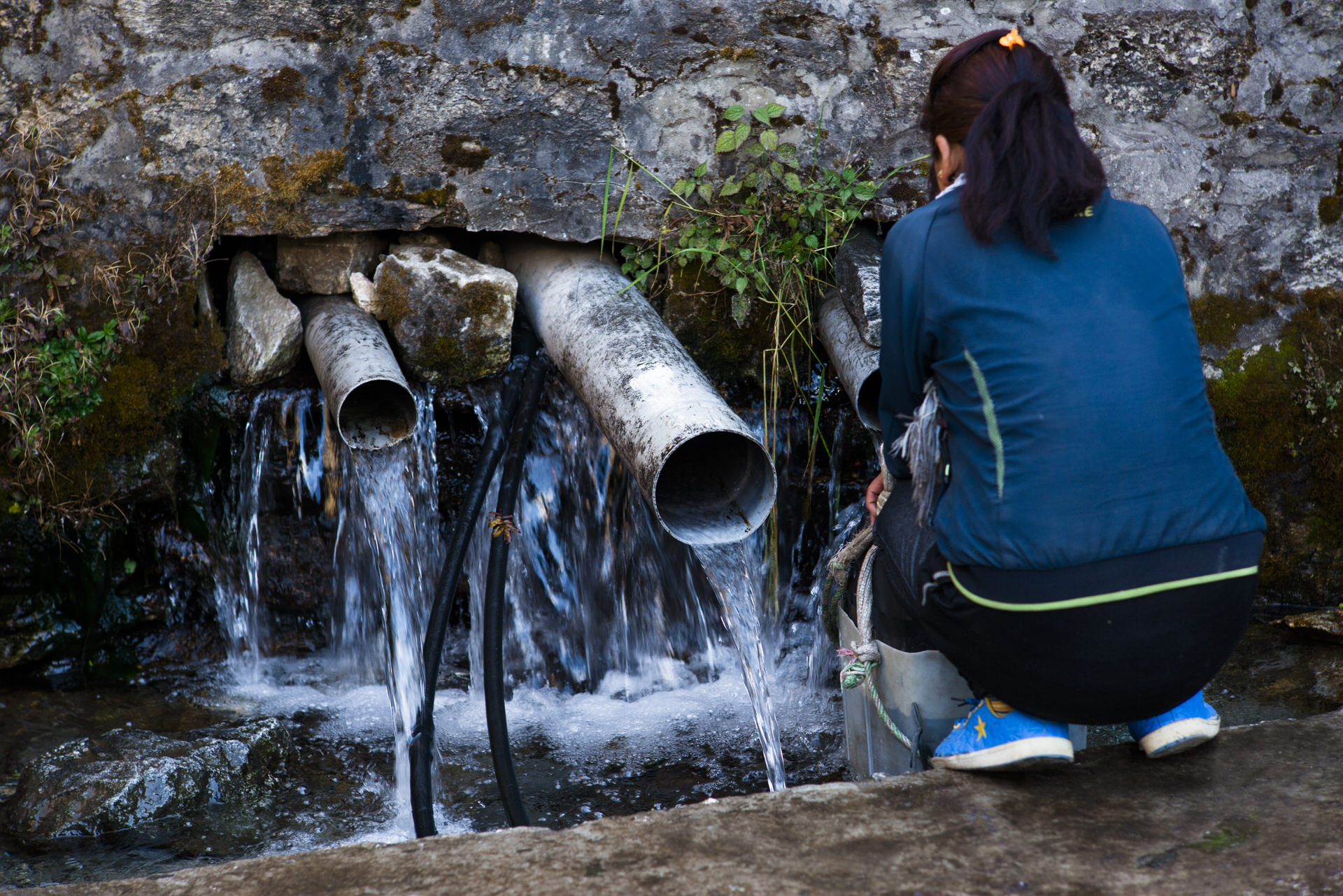
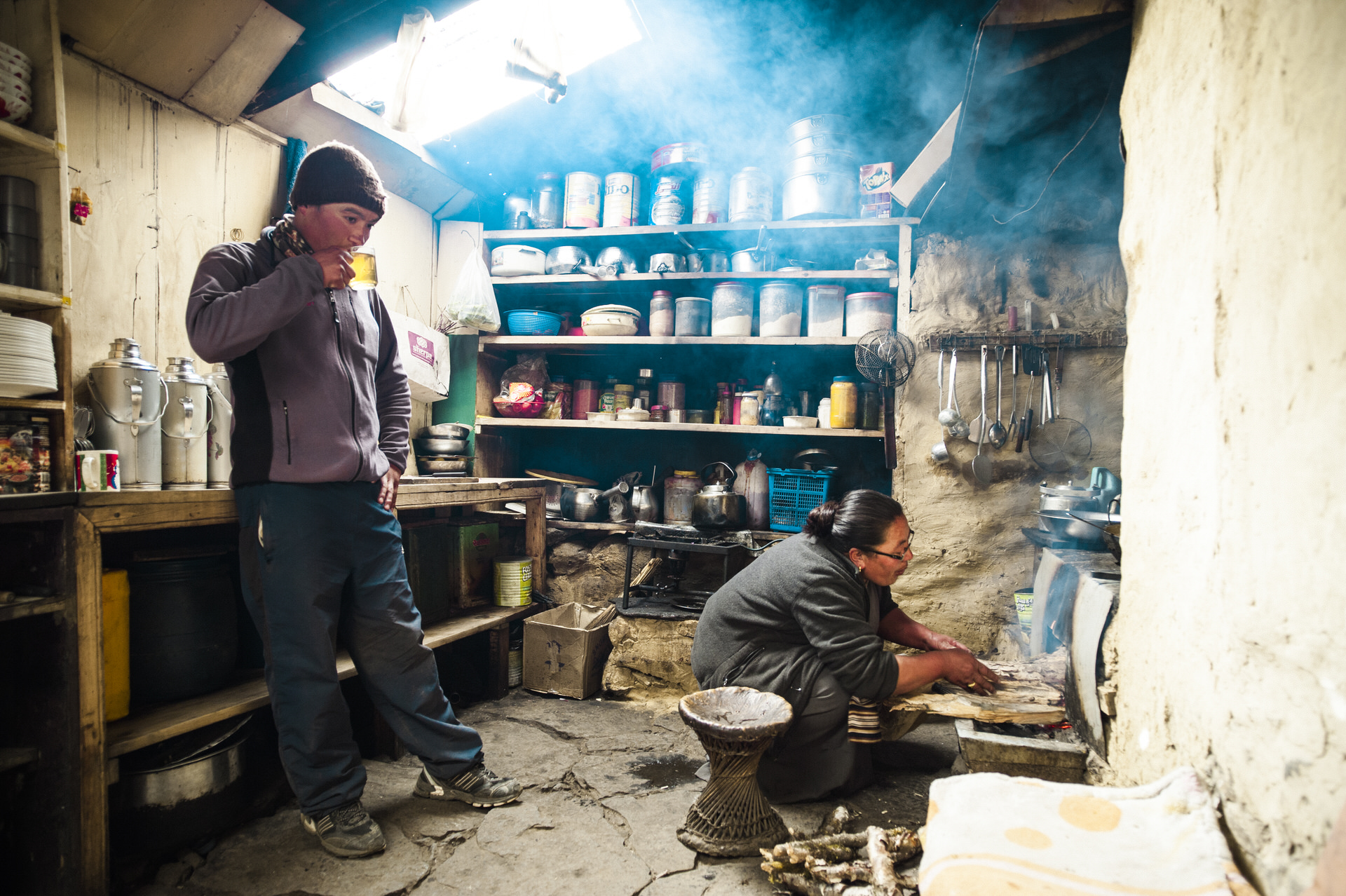
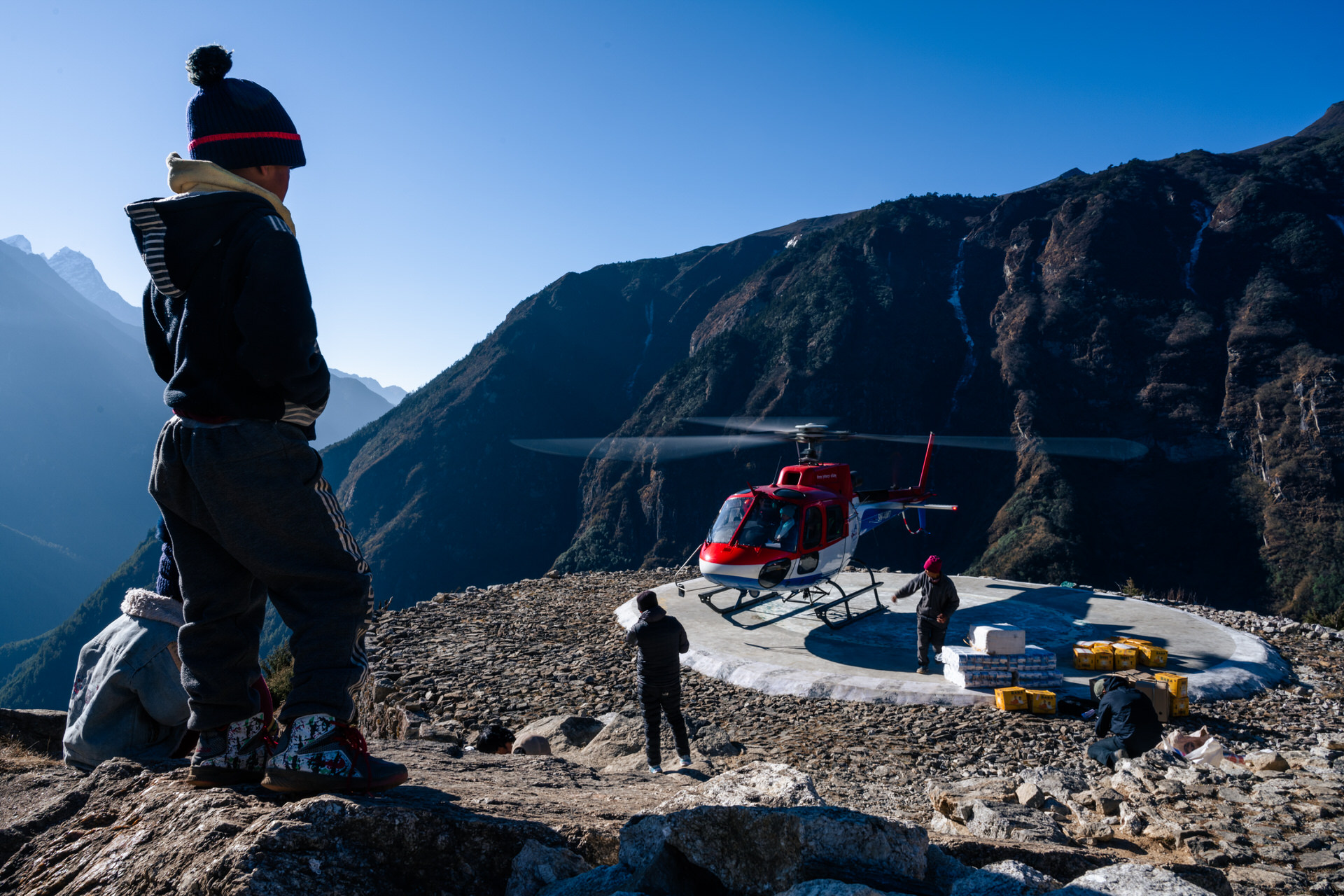
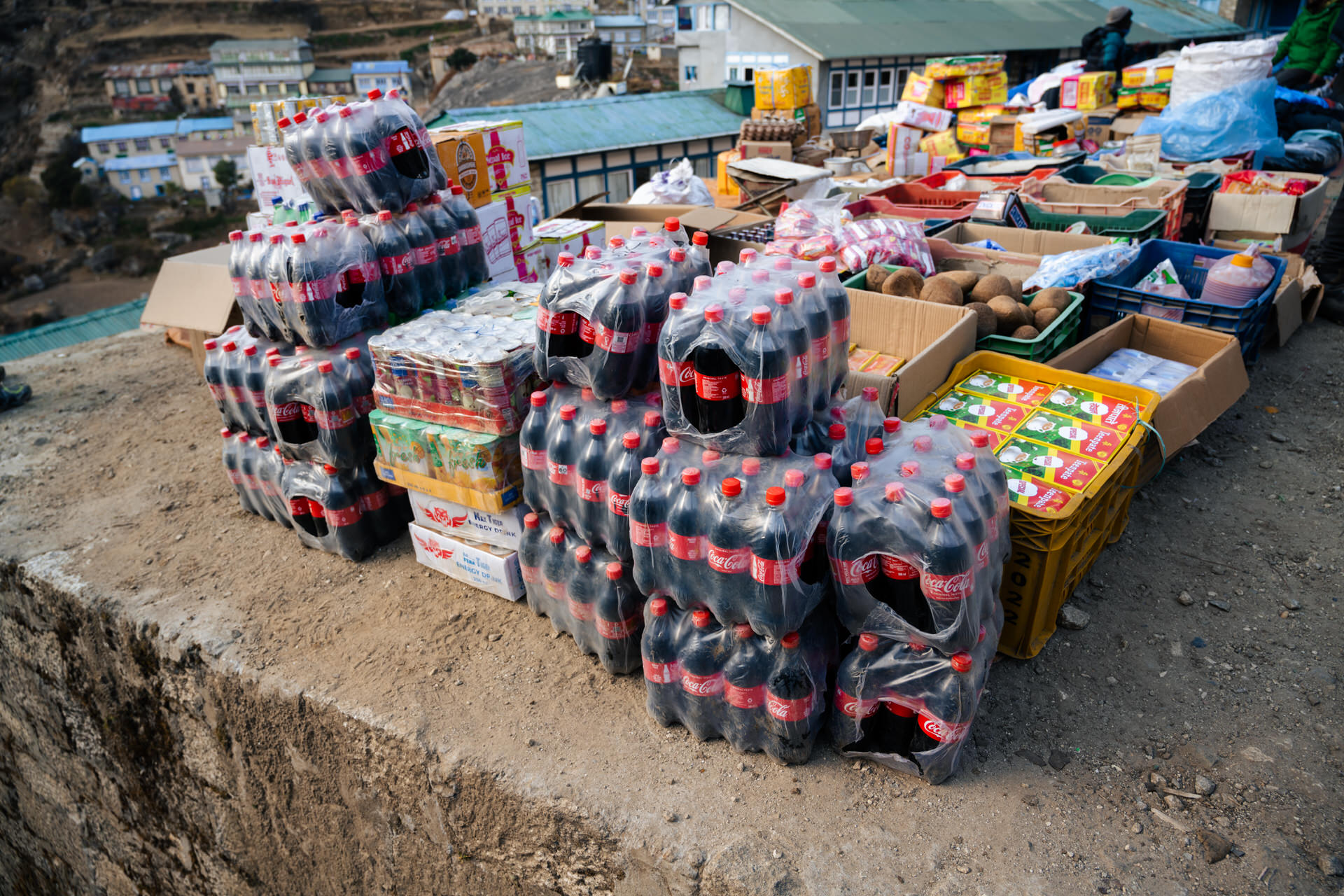
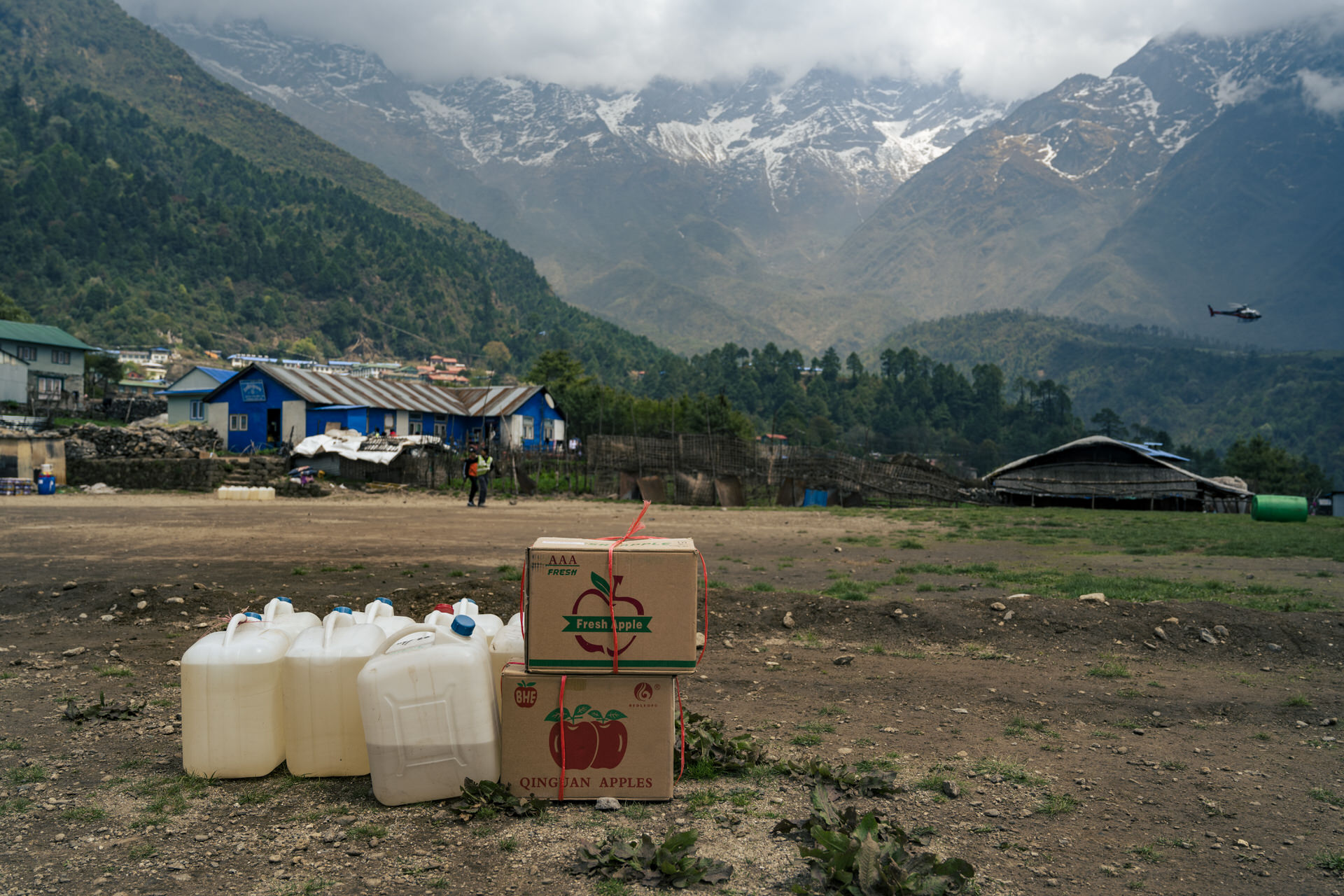
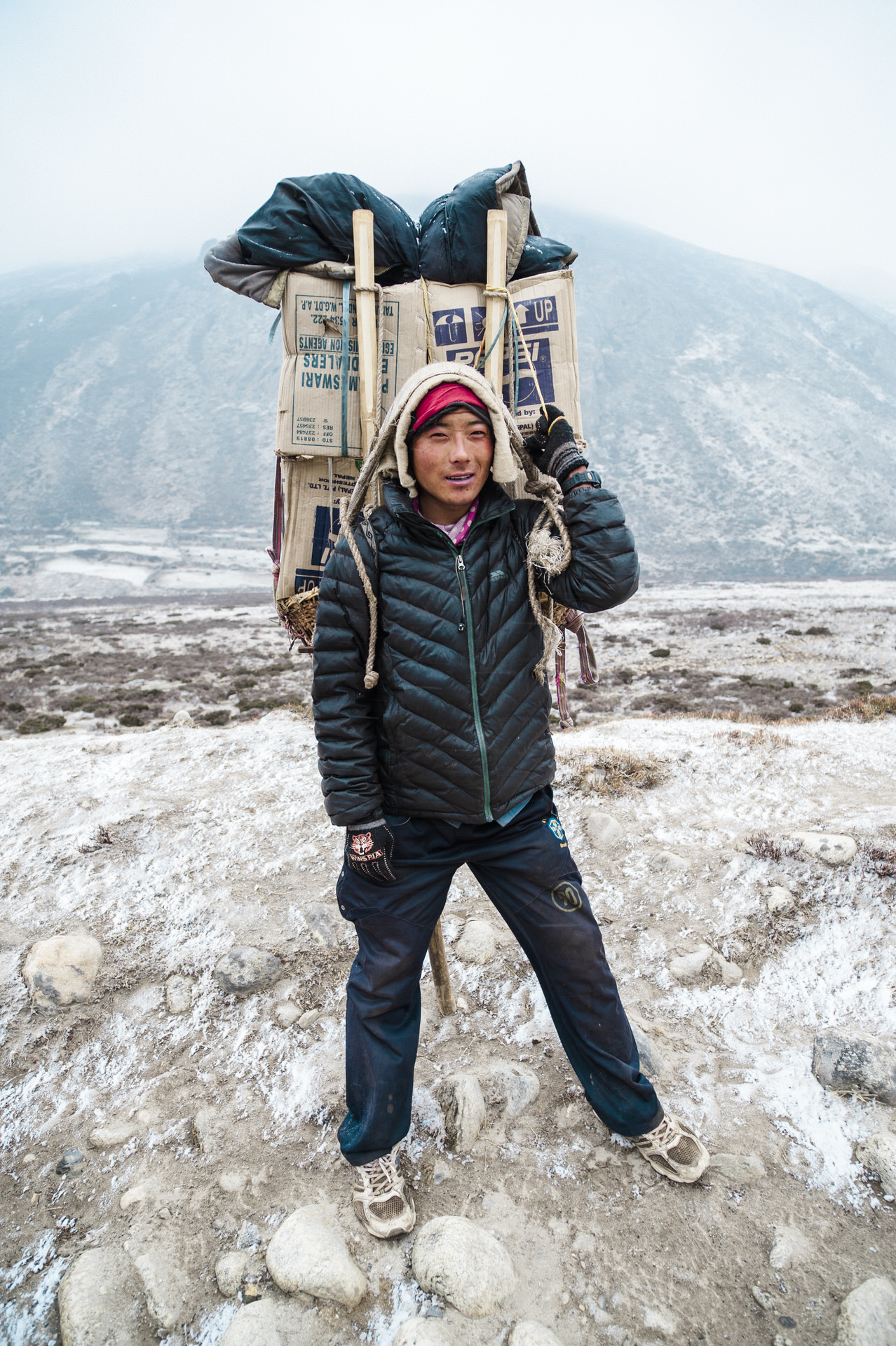
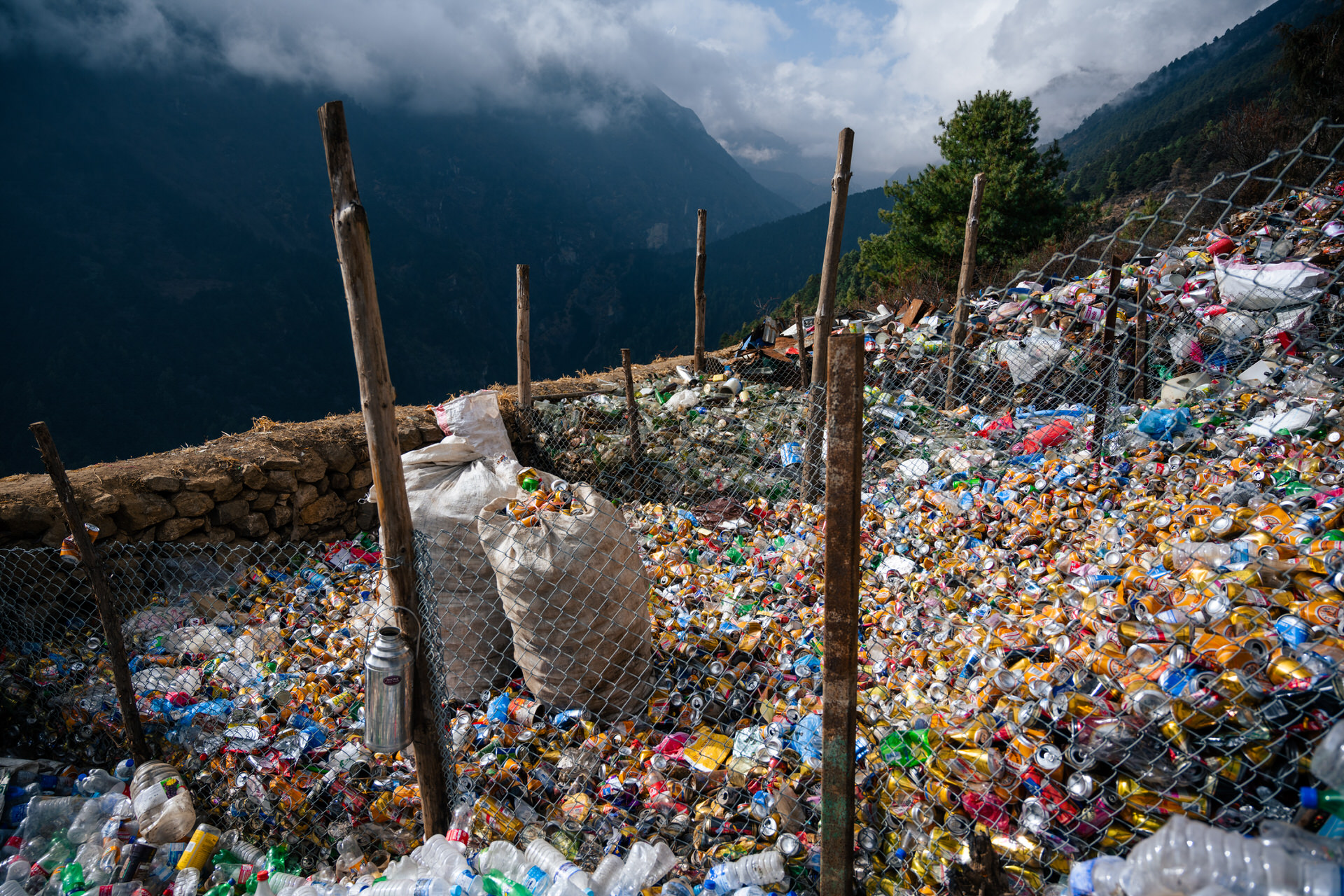
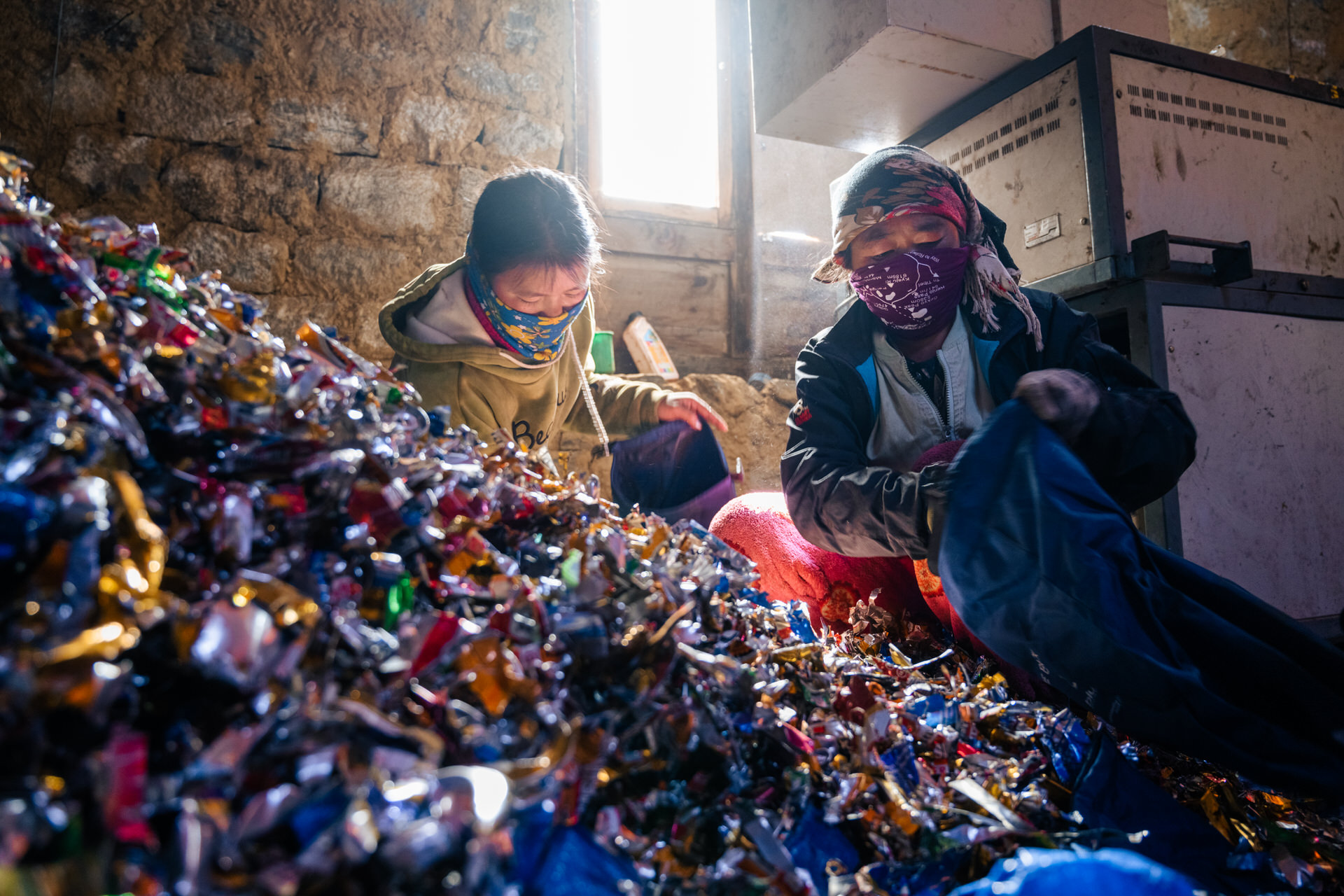
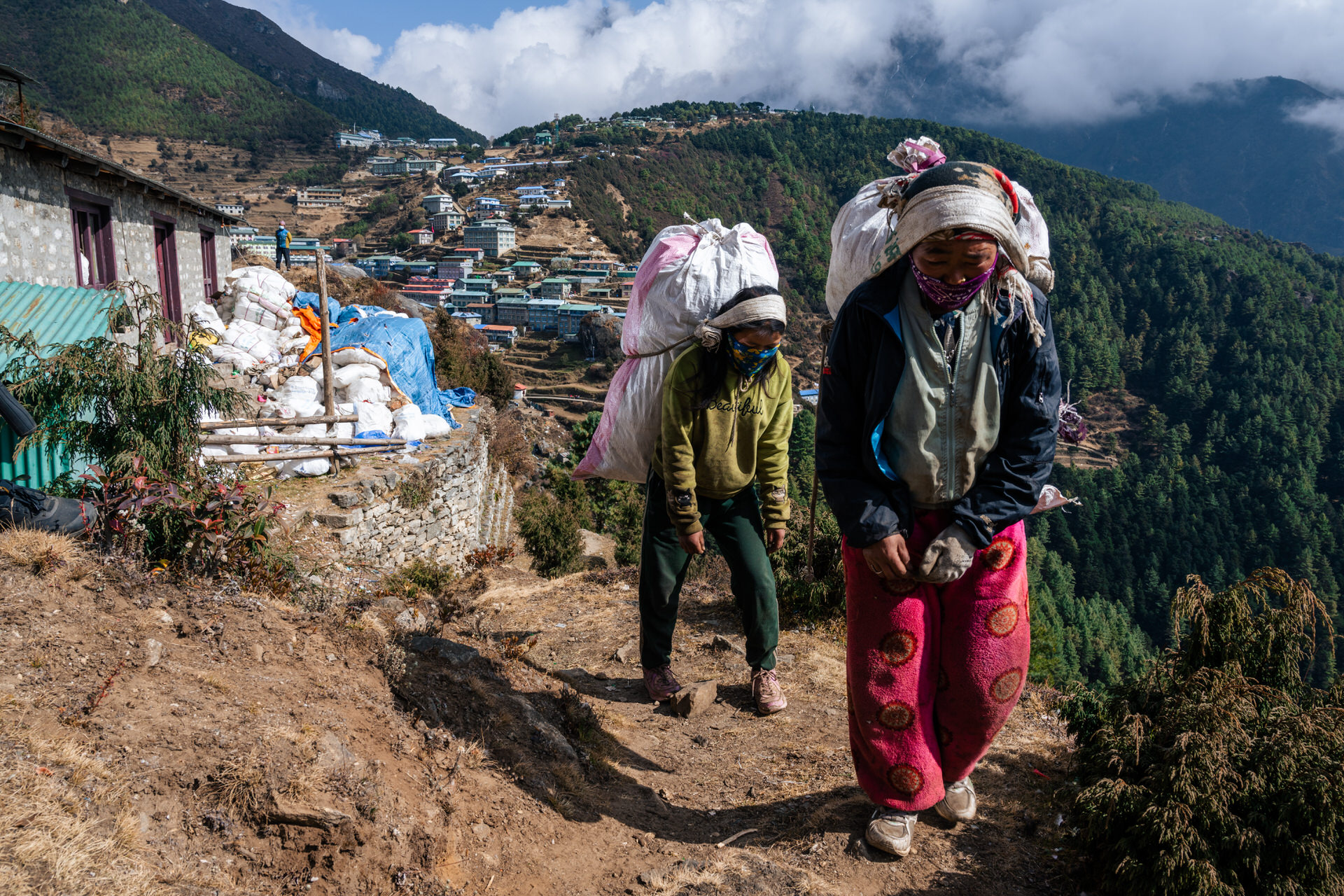
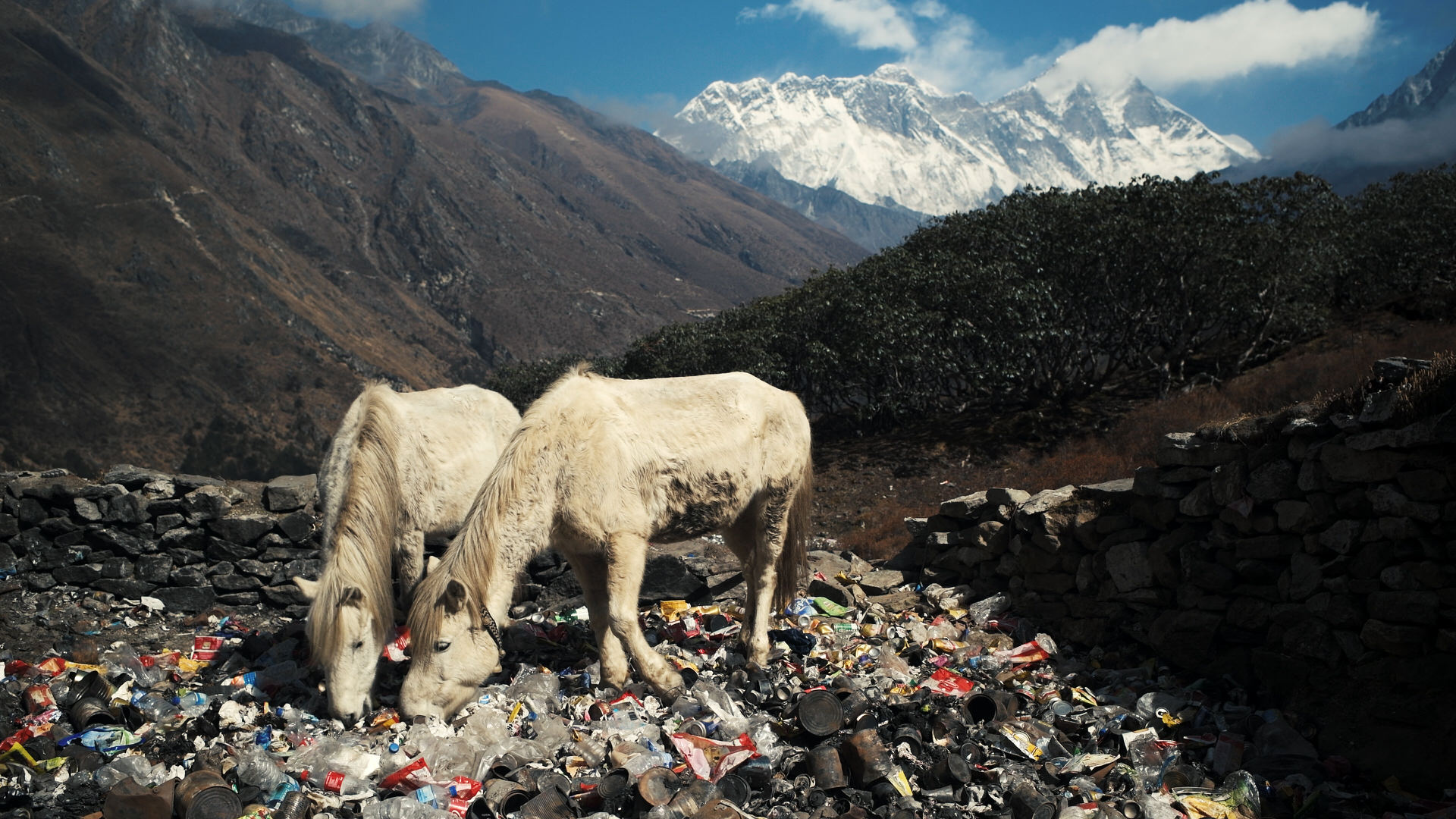
A photo essay from over a decade of documenting the waste challenges around Mt Everest.
The Saving Mount Everest Project
In 2011 through 2014, Martin was the official photographer for the EcoHimal project Saving Mount Everest. This resulted in a range of stories about the problem in the Khumbu valley of Nepal, as well as a long-term exhibition at the International Mountain Museum in Pokhara, Nepal.