The world’s first VR 360-video of wild lions
In a first-ever lion VR 360-video filmed from the heart of a pride in the wild, you get to come face to face with lions in Virtual Reality.
In close collaboration with Zambia Carnivore Programme, Martin Edström and the IVAR Studios team push the boundaries of immersive wildlife storytelling further in this lion VR 360-video for National Geographic.
Following the Mwamba pride together with the Zambia Carnivore Programme in South Luangwa National Park, Zambia, the Gibson The Lion VR film lets you follow the young lion Gibson and his mother, as they navigate the dynamics of a pride of wild lions.
You can watch the video for free on National Geographic’s Facebook or YouTube.
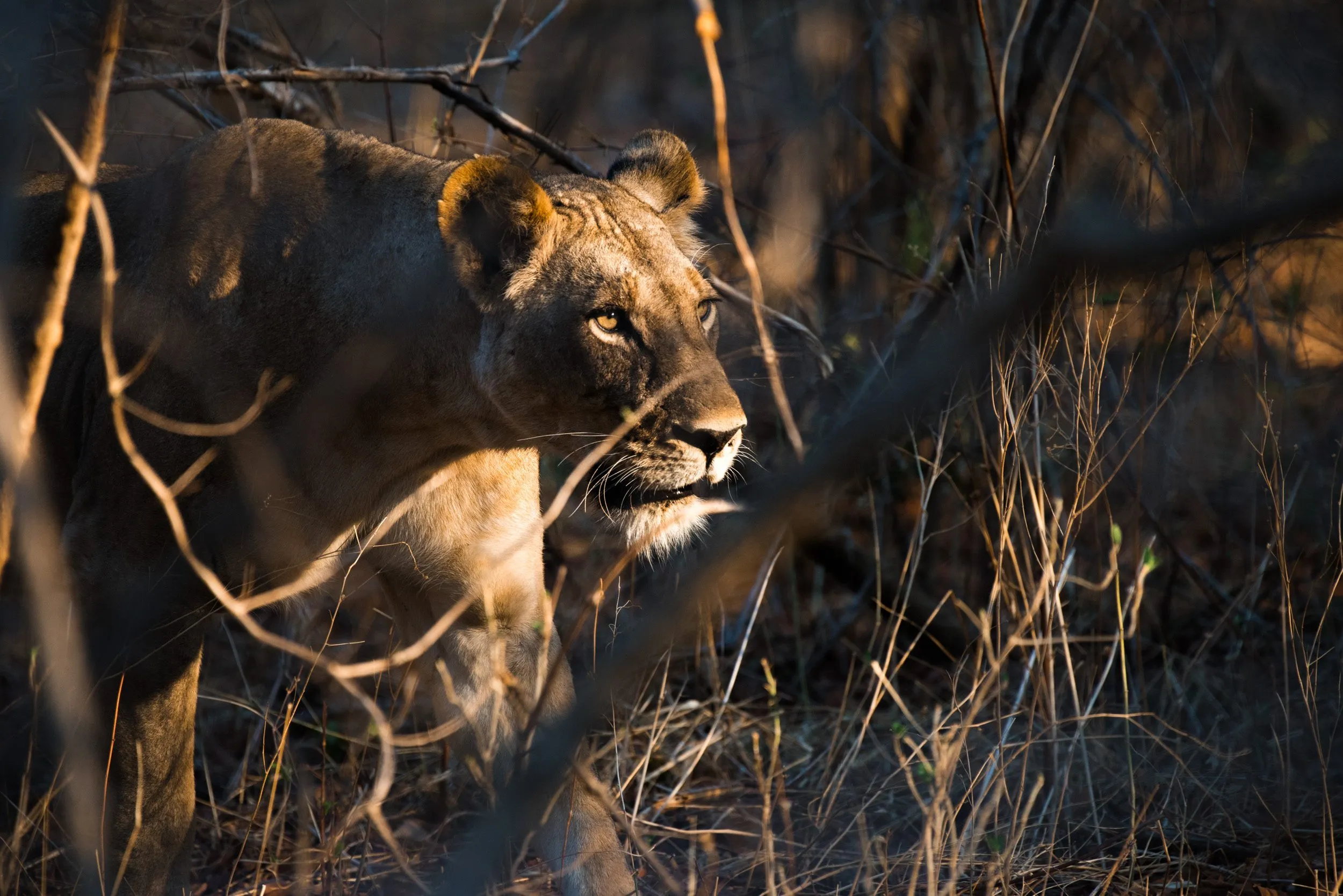
Connecting to wildlife
While being the symbol for wilderness and Africa as a whole, lions are on the brink of extinction in all but the largest and best managed national parks. Their numbers are dwindling.
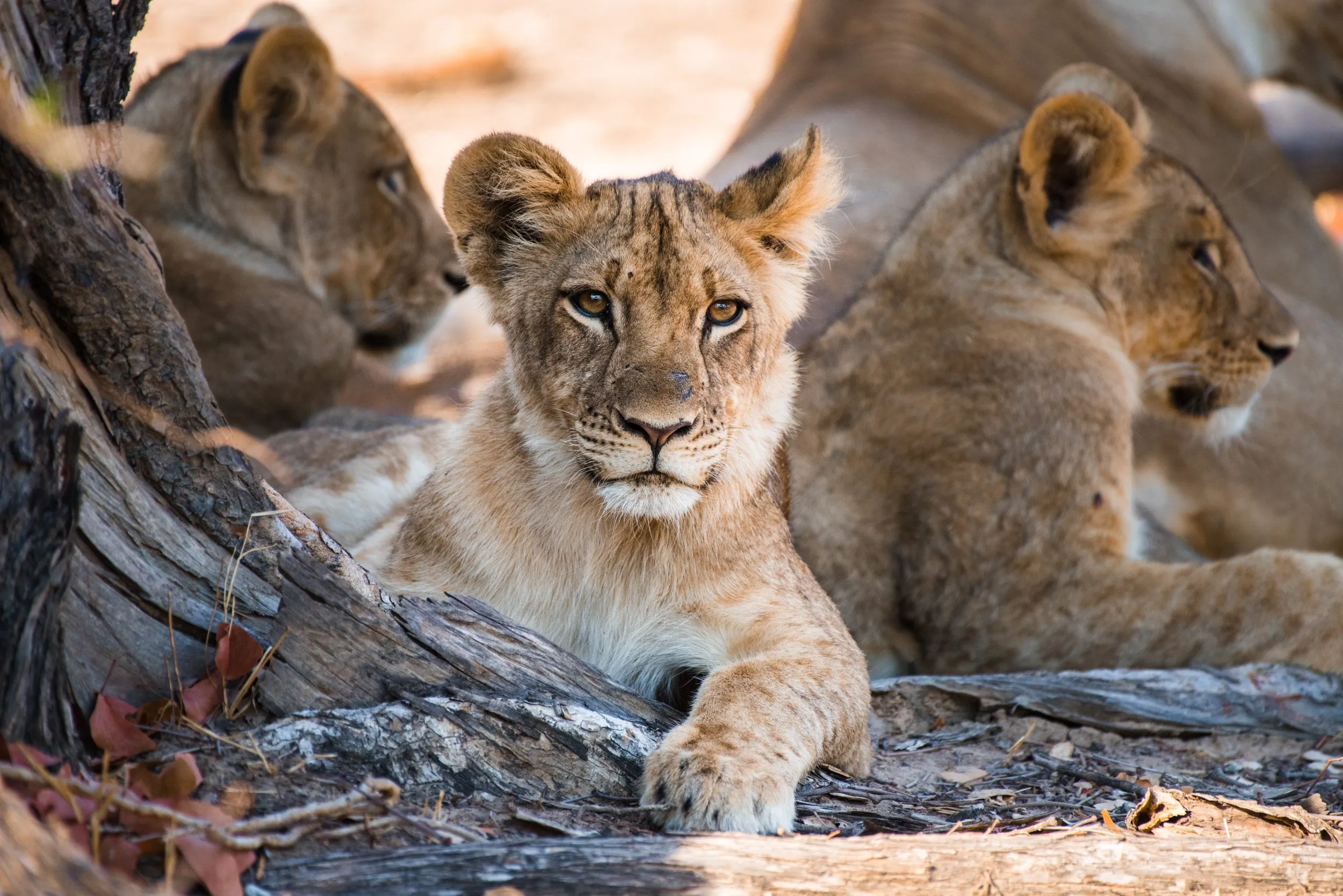
Just over a century ago, there were more than 200,000 wild lions living in Africa. Today, there are only about 20,000. These magnificent predators, on top of the food-chain and ecosystem, are slowly fading away — and currently listed as “Vulnerable” on the International Union for the Conservation of Nature (IUCN) Red List of Threatened Species.
The Lion VR 360 project was done in close collaboration with The Zambian Carnivore Programme, an organisation dedicated to conserving large carnivore species and the ecosystems they reside in for one of Africa’s most wildlife-rich places. Having followed lions in the South Luangwa valley for years, their scientists have got to witness the many ways human civilization encroaches the territory — and lives — of the lion population.
While filming the Lion VR 360 project, we got to witness some of these problems first-hand.
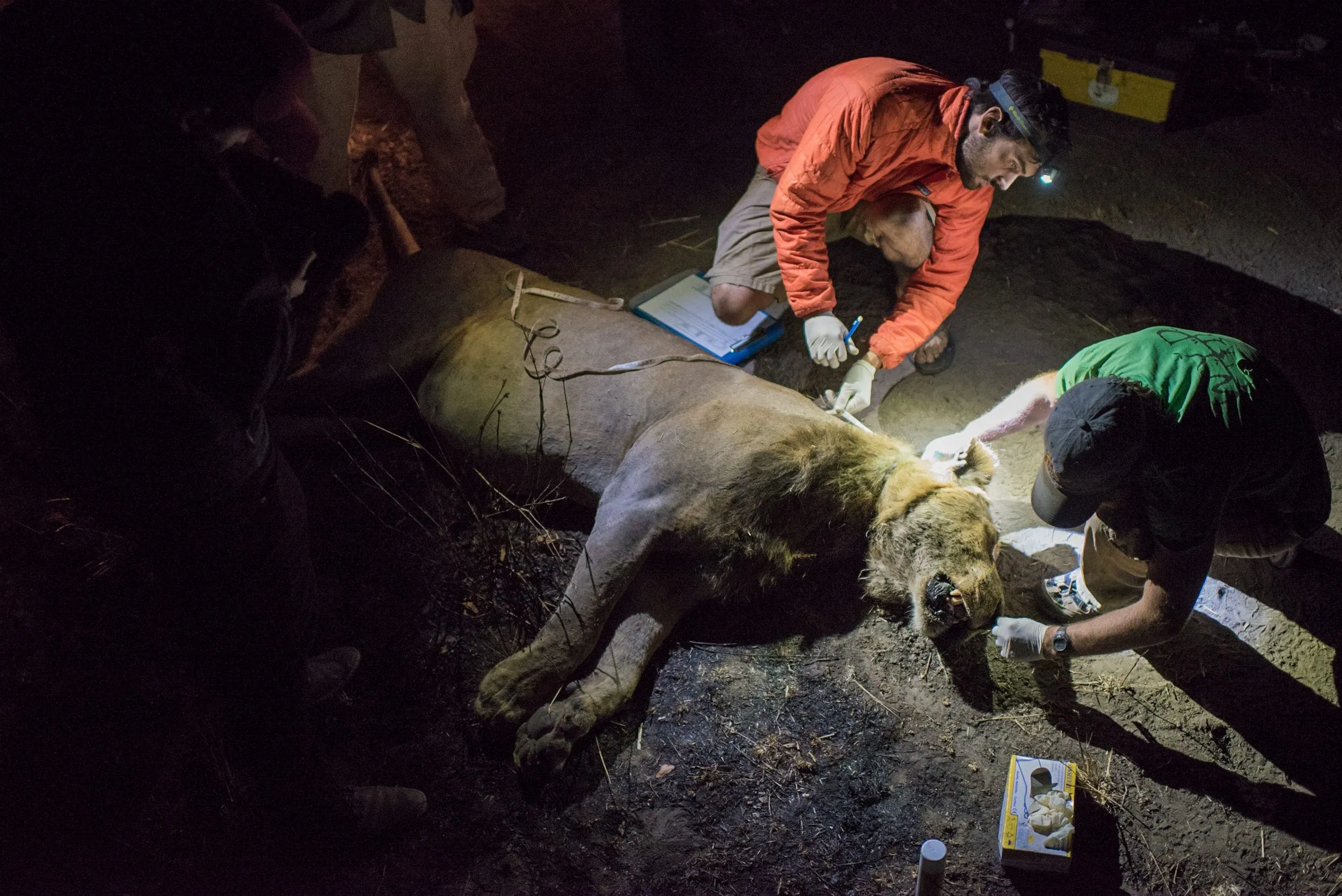
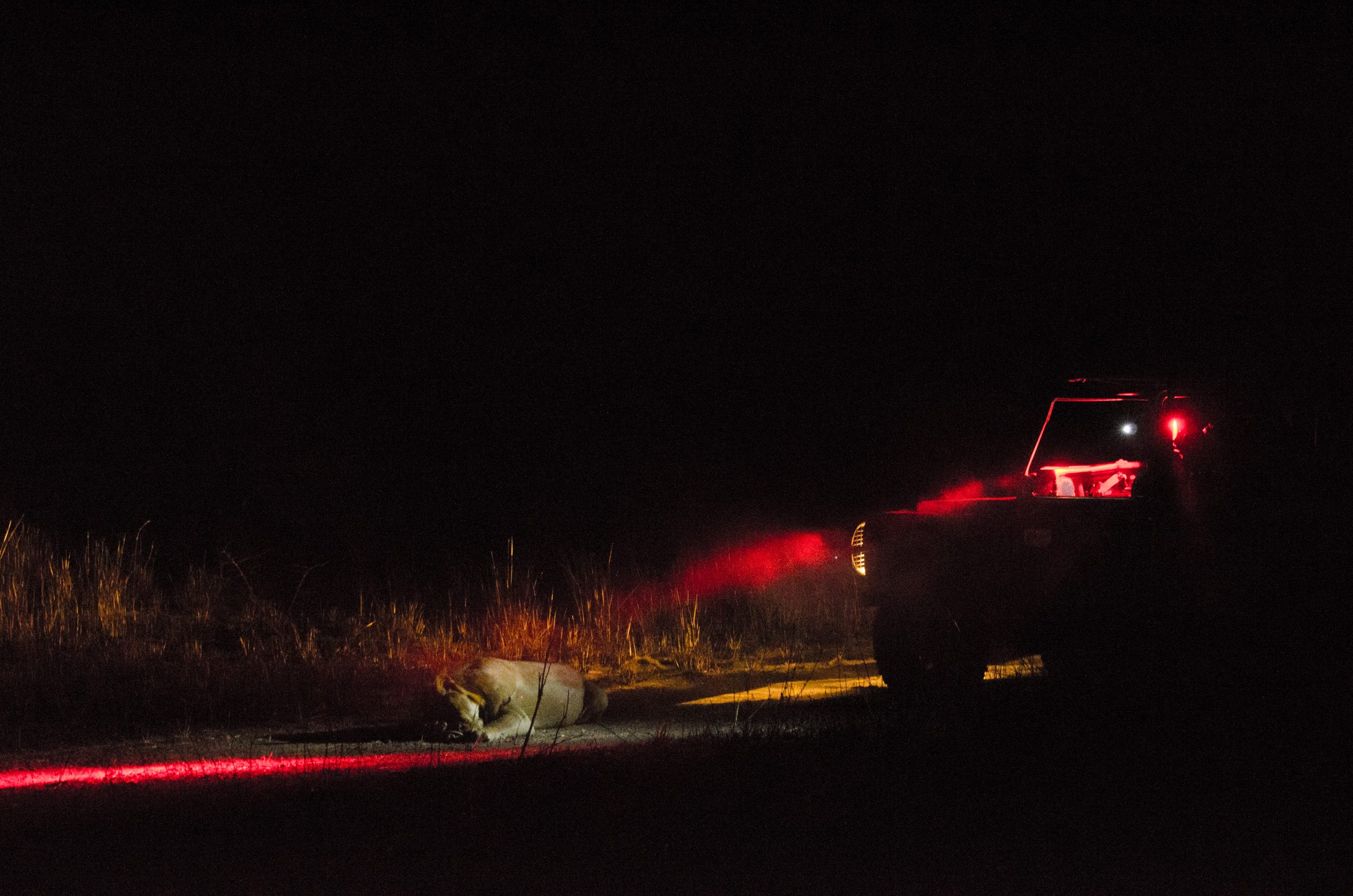
A male lion has just been sedated with a tranquilizer dart by wildlife officers inside South Luangwa National Park.
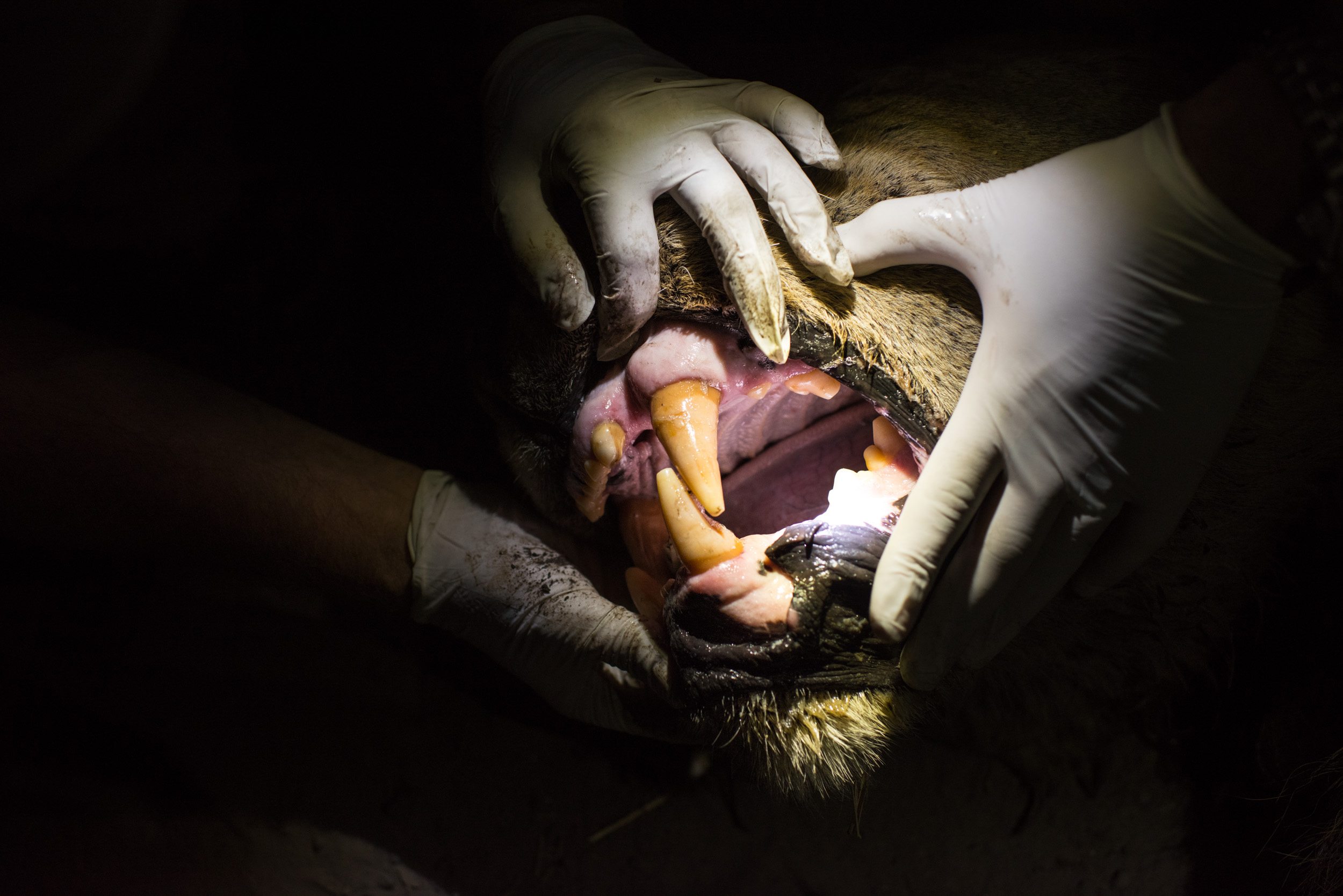
Inspecting the teeth of a lion can give scientists many clues about its life. Noticing how the large canine teeth have been worn down, scientists can draw conclusions about food habits as well as age of the lion.
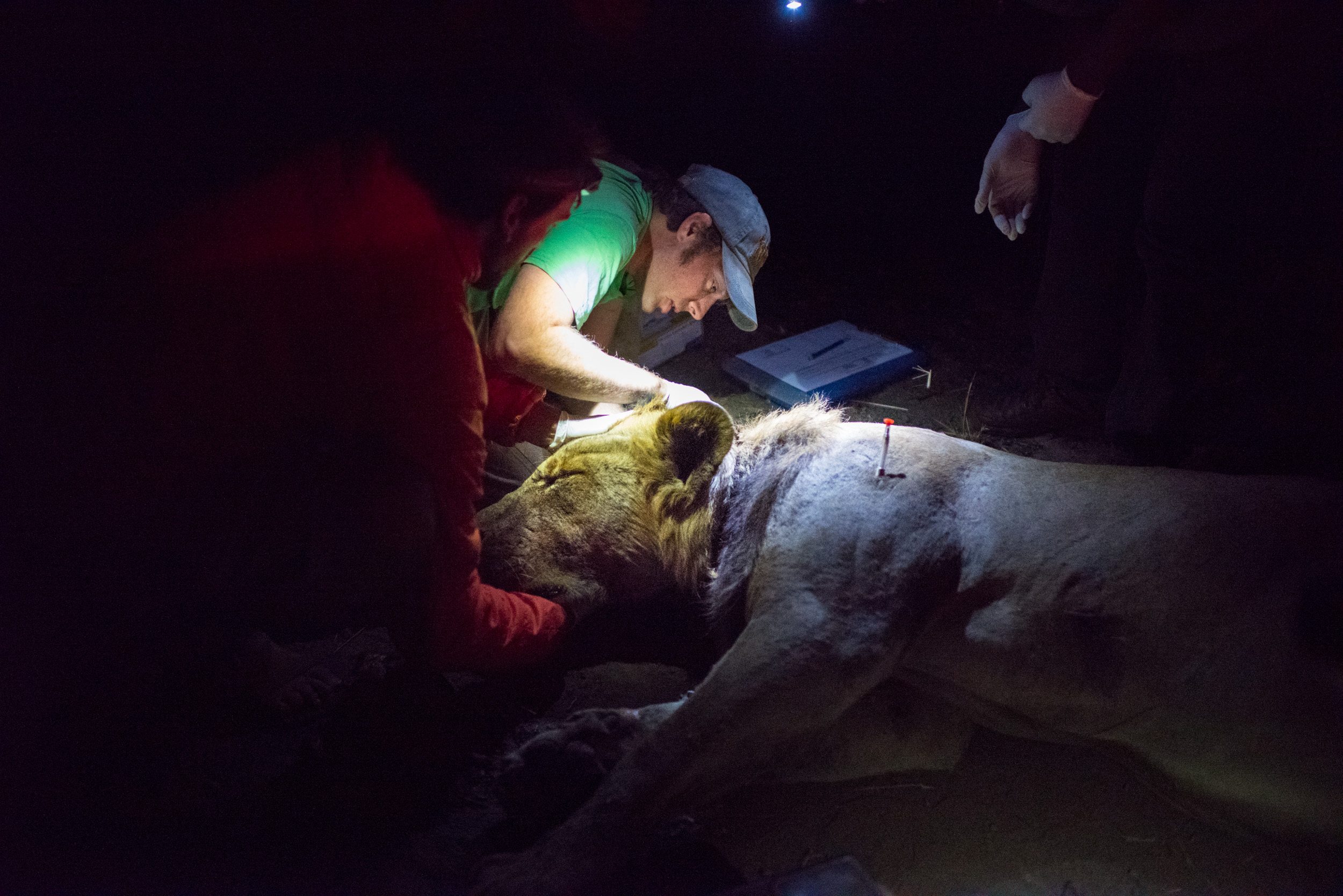
The male lion has been caught in a snare — and is still carrying parts of the snare with him. Wildlife officers and staff from the Zambia Carnivore Programme want to remove the snare, give antibiotics and see what they can do to help him survive the snaring.
The first step in caring about something, enough to take action for conservation, is to connect with it. That’s why the Lion VR 360 project targeted empathy through a new approach: putting people face to face with lions, inside a Virtual Reality headset.
In the middle of a pride, as if they were there.
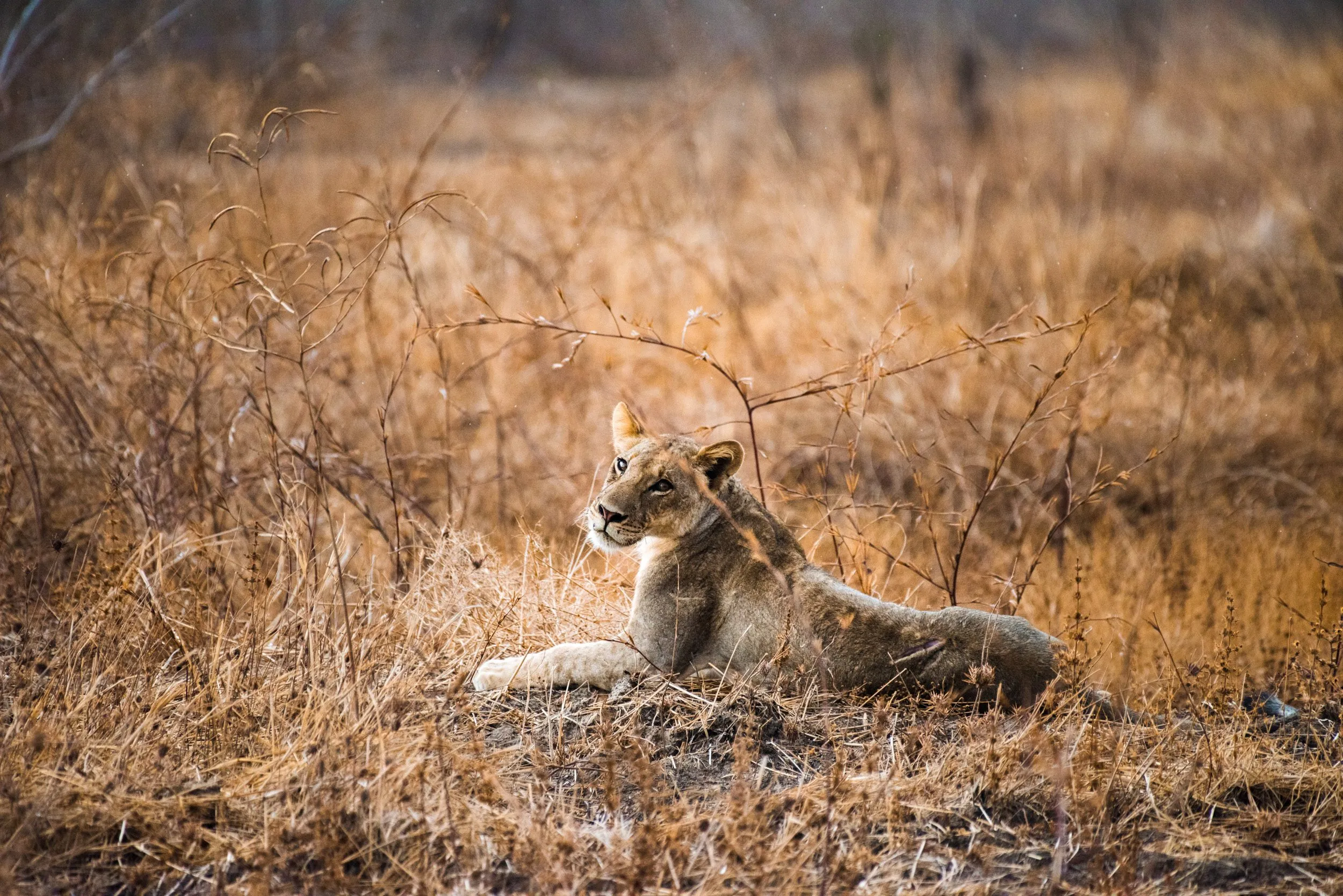
Meeting lions face to face
What happens if we actually get to meet lions face to face? With all the thousands of hours of lion footage and documentaries available today, how can we get a new perspective of wildlife?
This was a central question to the Lion VR 360 project, offering a new way to experience the life inside a pride of wild lions. The project aimed to give people access to a new perspective, that has not been truly possible with traditional film and still photography.
A new, inner perspective — getting so closely immersed within a pride of lions that you can almost feel like one of them.
Accomplishing this required some next generation thinking, compared to traditional wildlife filmmaking. This time, filming from afar wouldn’t be enough.
That’s why the team had to get a camera in there — into the middle of the pride.
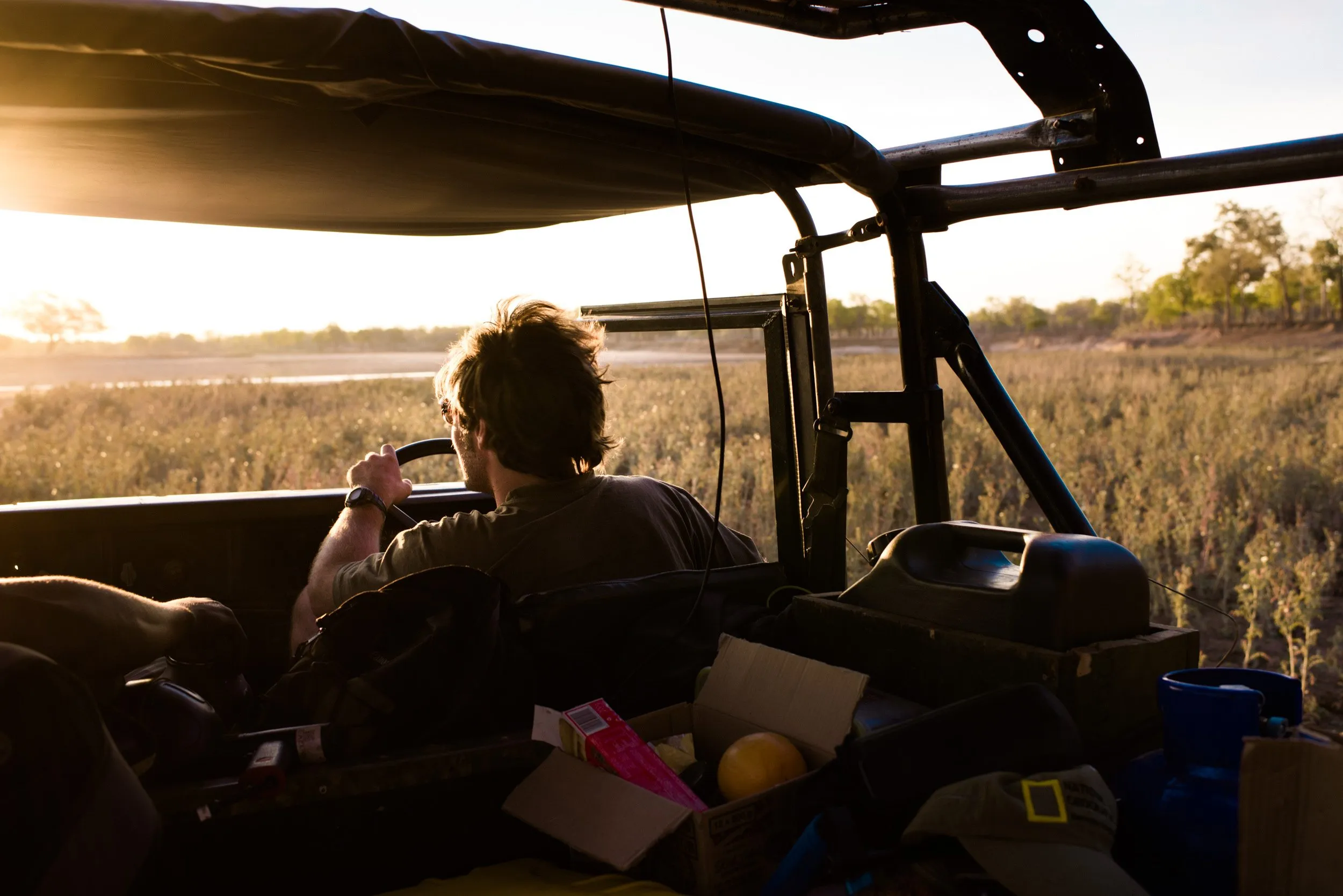
Filming Lions in 360 degrees
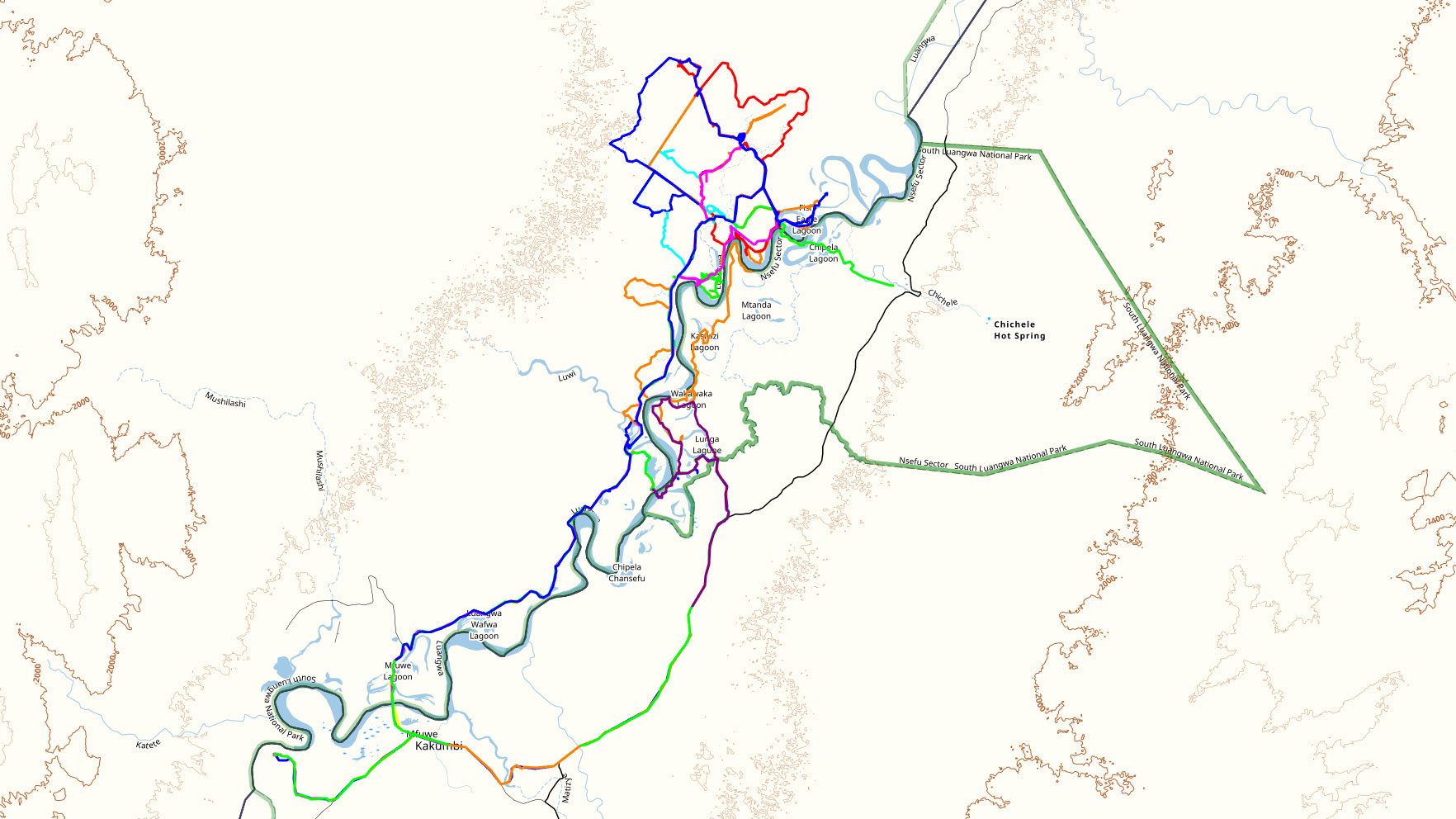
Apart from the traditional problems faced in wildlife filmmaking, the team’s main challenge was of course to get a 360-camera into the middle of a pride of wild lions. This had to be done without the lions destroying camera systems or getting hurt themselves.
Working with the National Geographic Remote Imaging team, the project had access to some of the best tools (and minds) on the planet when it comes to wildlife imaging.
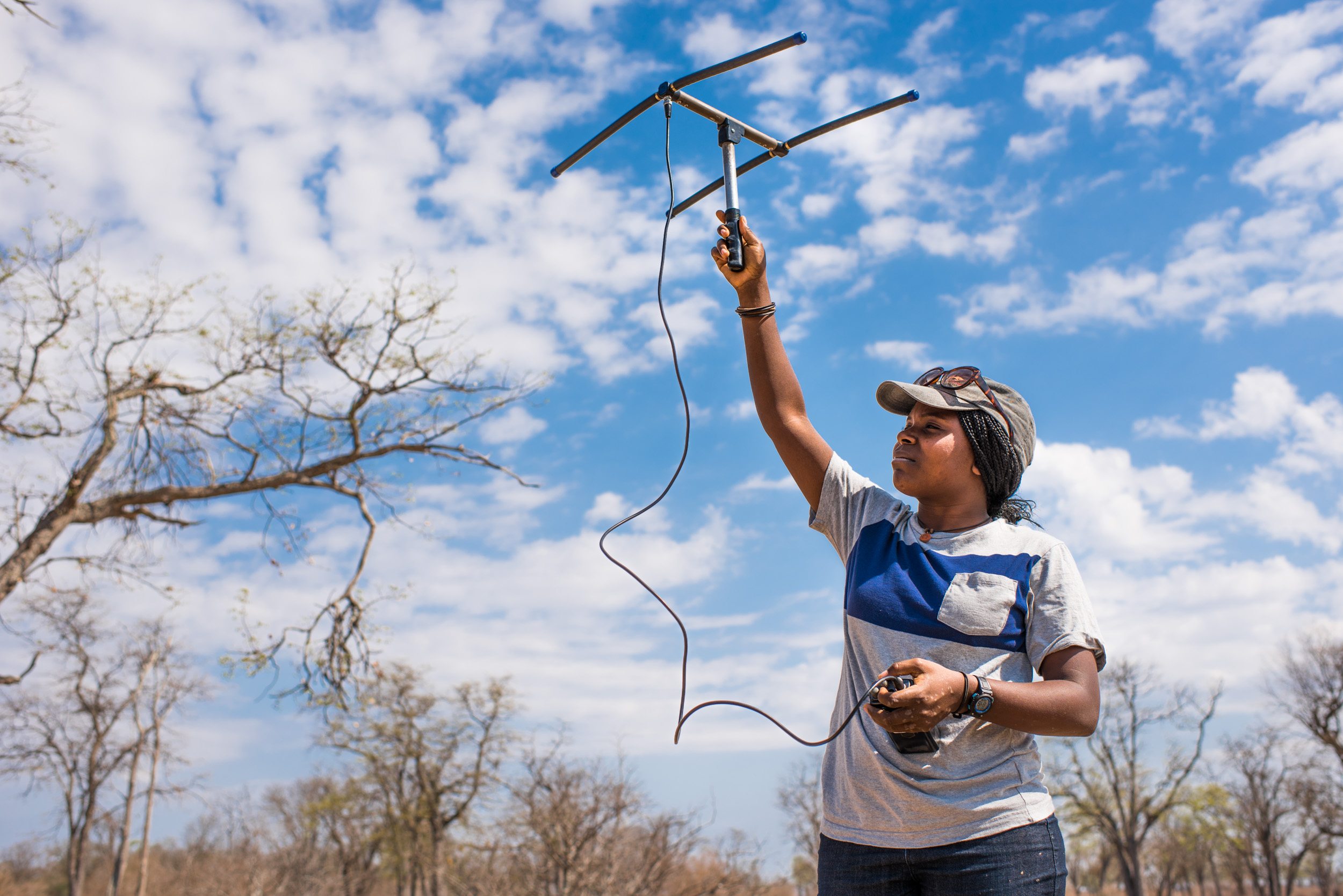
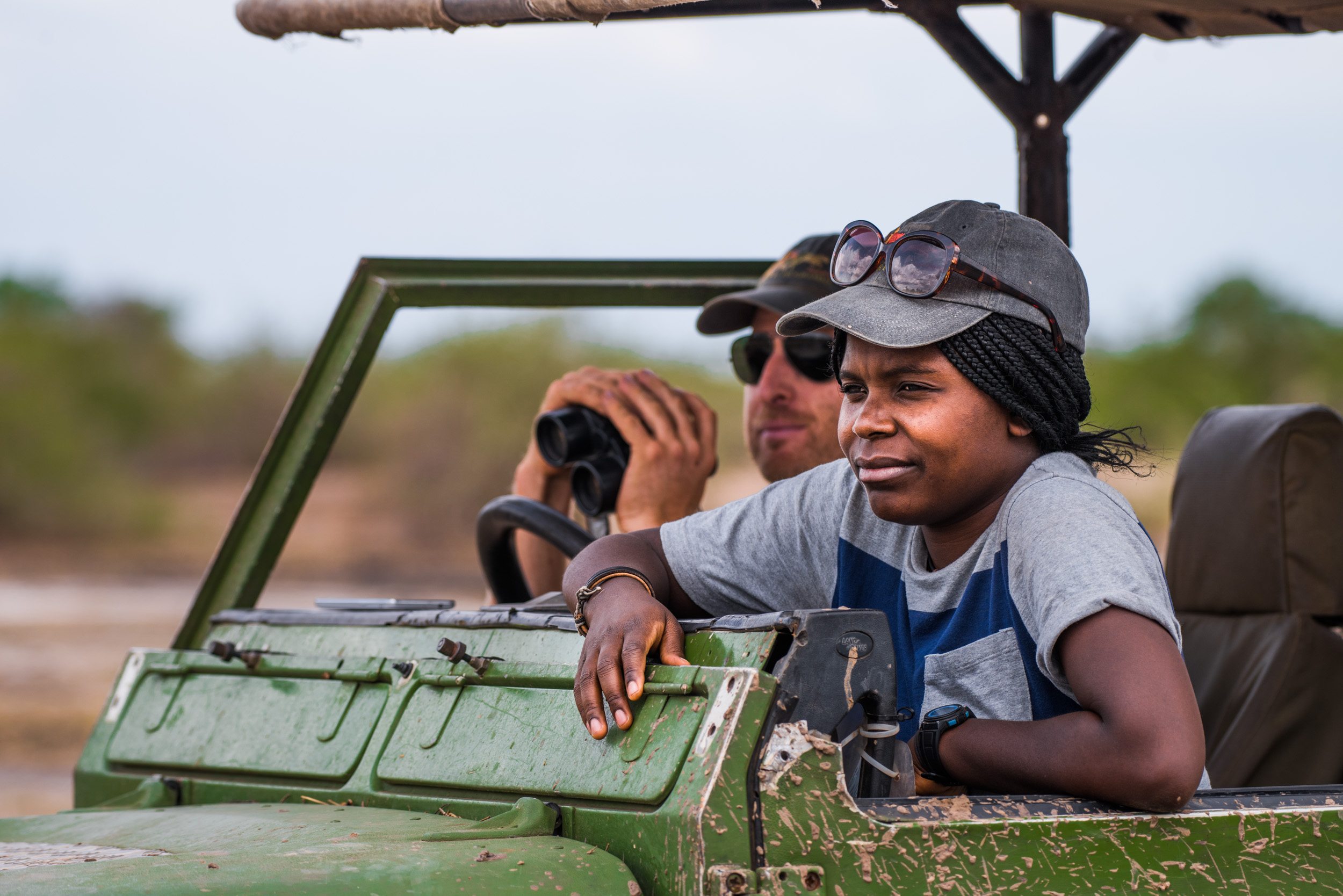
National Geographic Explorer Thandiwe Mweetwa tracking down a pride of lions.
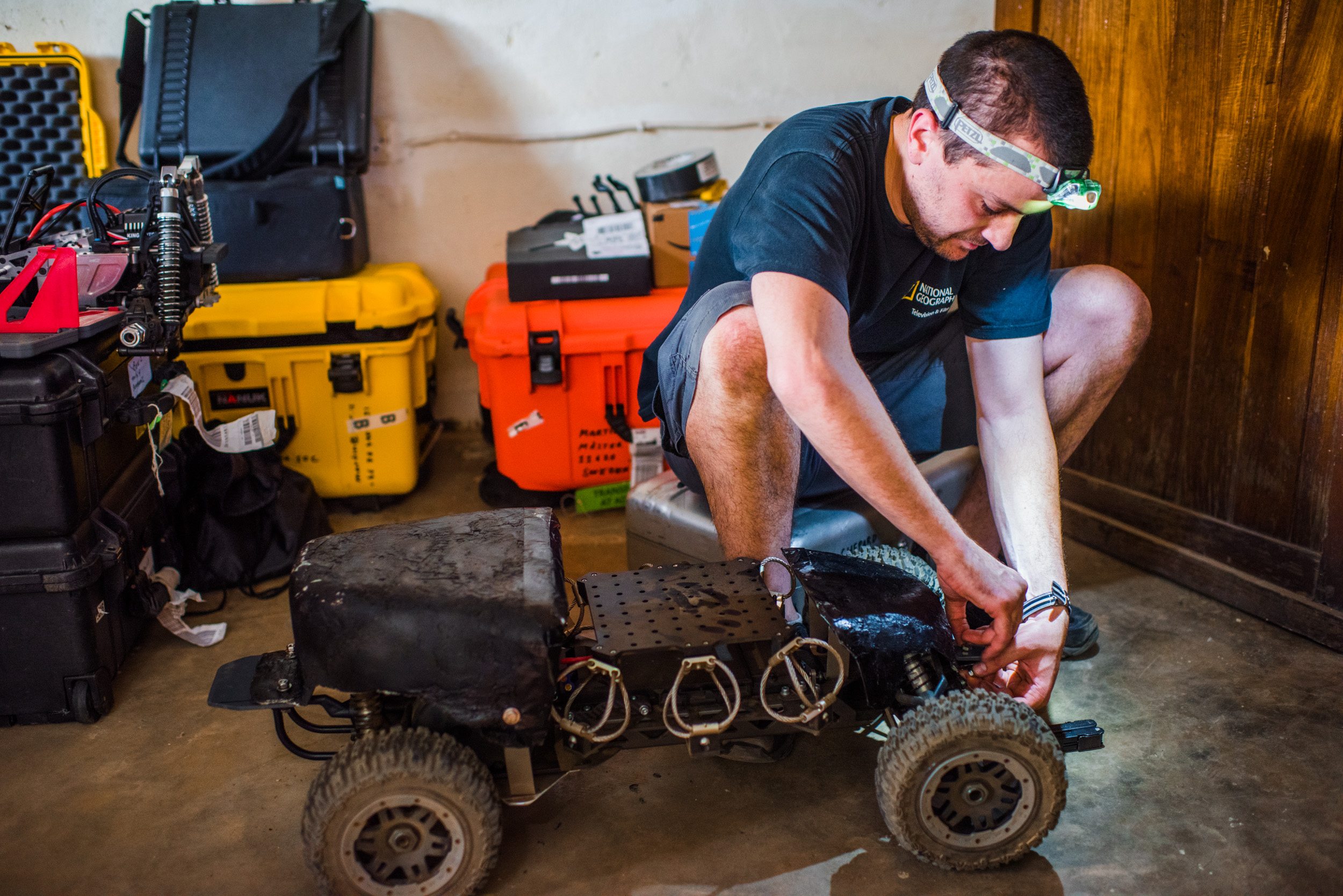
Mike Shepard of the National Geographic Remote Imaging team assembling the equipment on location in South Luangwa National Park.
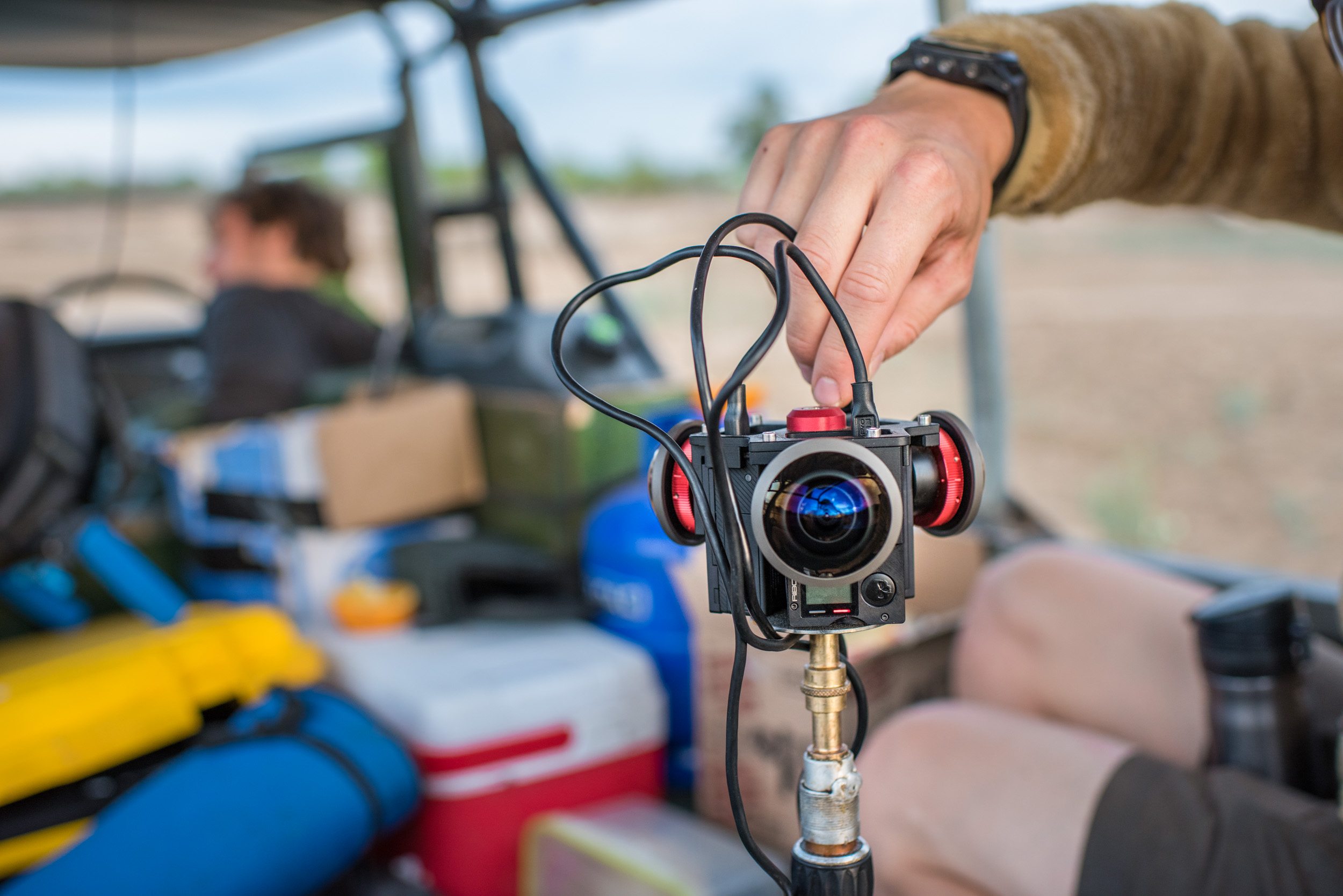
Using cutting-edge technology and custom built camera rigs, Martin Edström and his team sent 360 cameras like this one up to lions in Zambia.
Meet the droid
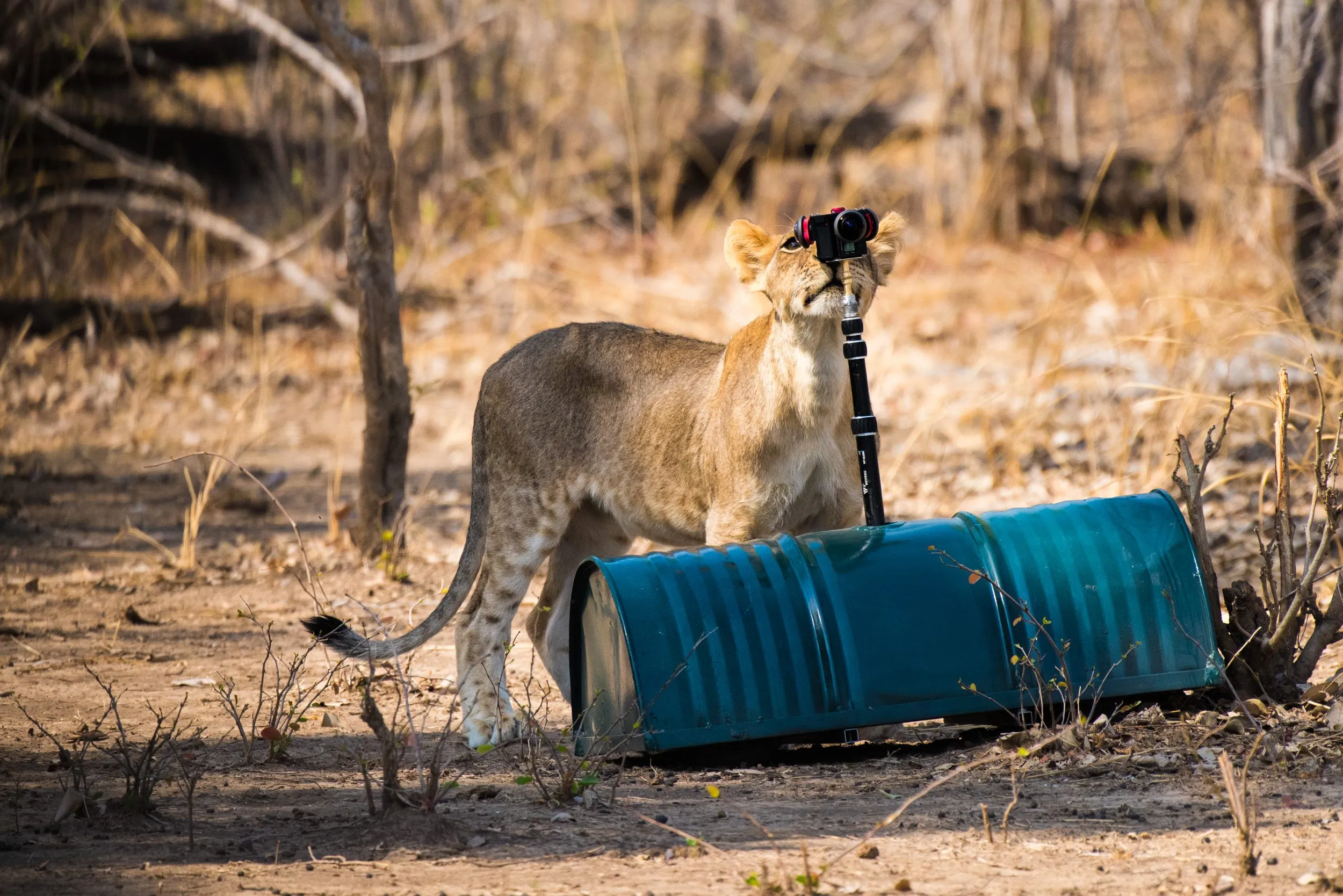
Together with Mike Shepard and the tools from National Geographic Remote Imaging, the team built out a mobile camera platform based on a remote controlled car. Sourcing local materials for armoring the camera car during the expedition in Zambia, the team covered the mobile platform with half an oil barrel and thereby established a new nickname for the platform: The Droid.
The Droid would serve as the most important tool of the whole expedition, getting the various camera systems in place — right in front of the lions.
In fact, the Mwamba pride would come to accept the Droid as a creature of it’s own — not really minding it at all.
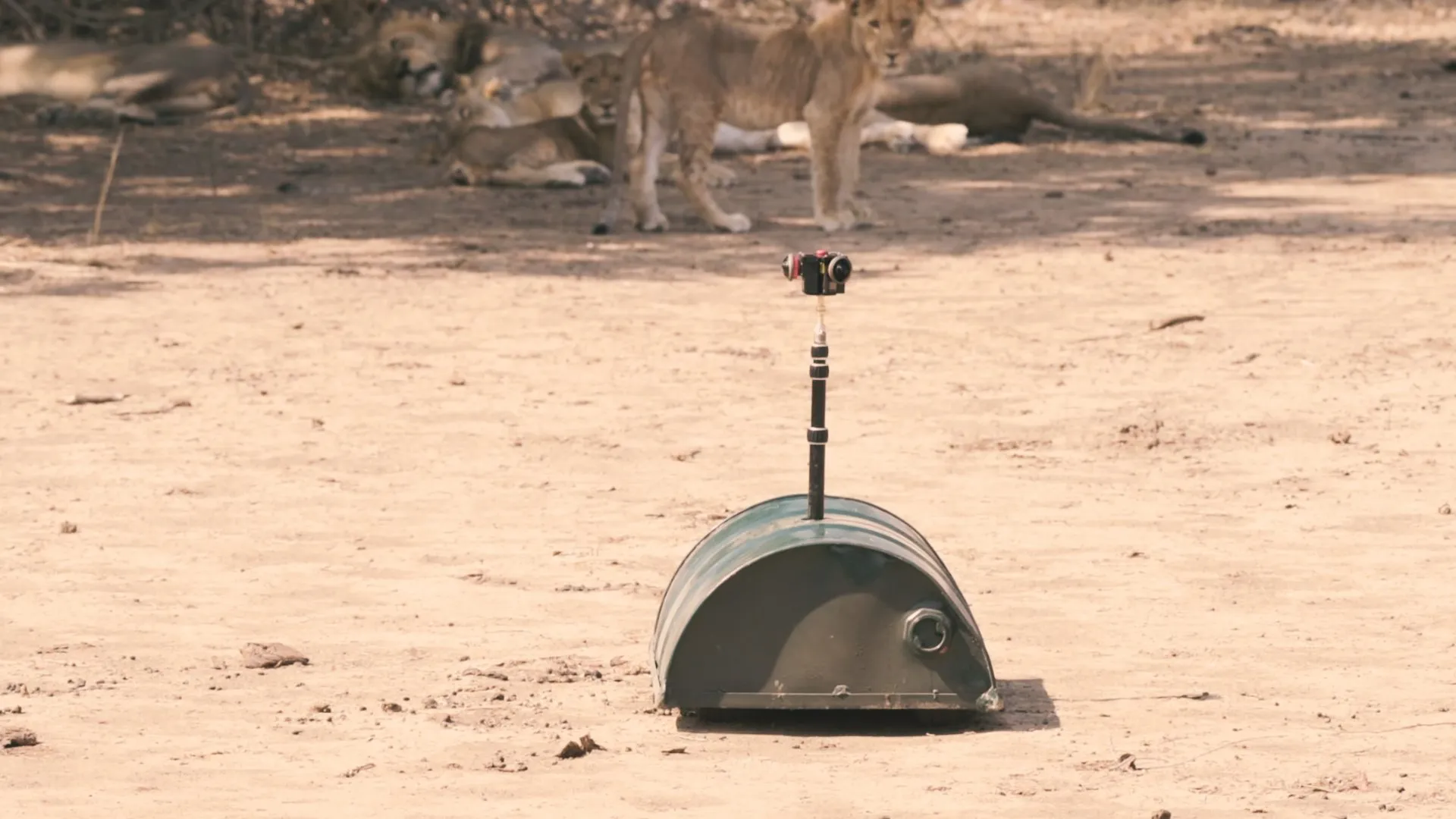
After carefully habituating the Mwamba Pride to the presence of the camera car, over the course of almost two weeks, the crew could begin to film and craft a narrative from the dynamics of the pride. Most days were spent, as in all wildlife filmmaking, tracking down and locating the pride. Since lions can roam many miles at night, it’s an ever-present challenge of following in their paw prints.
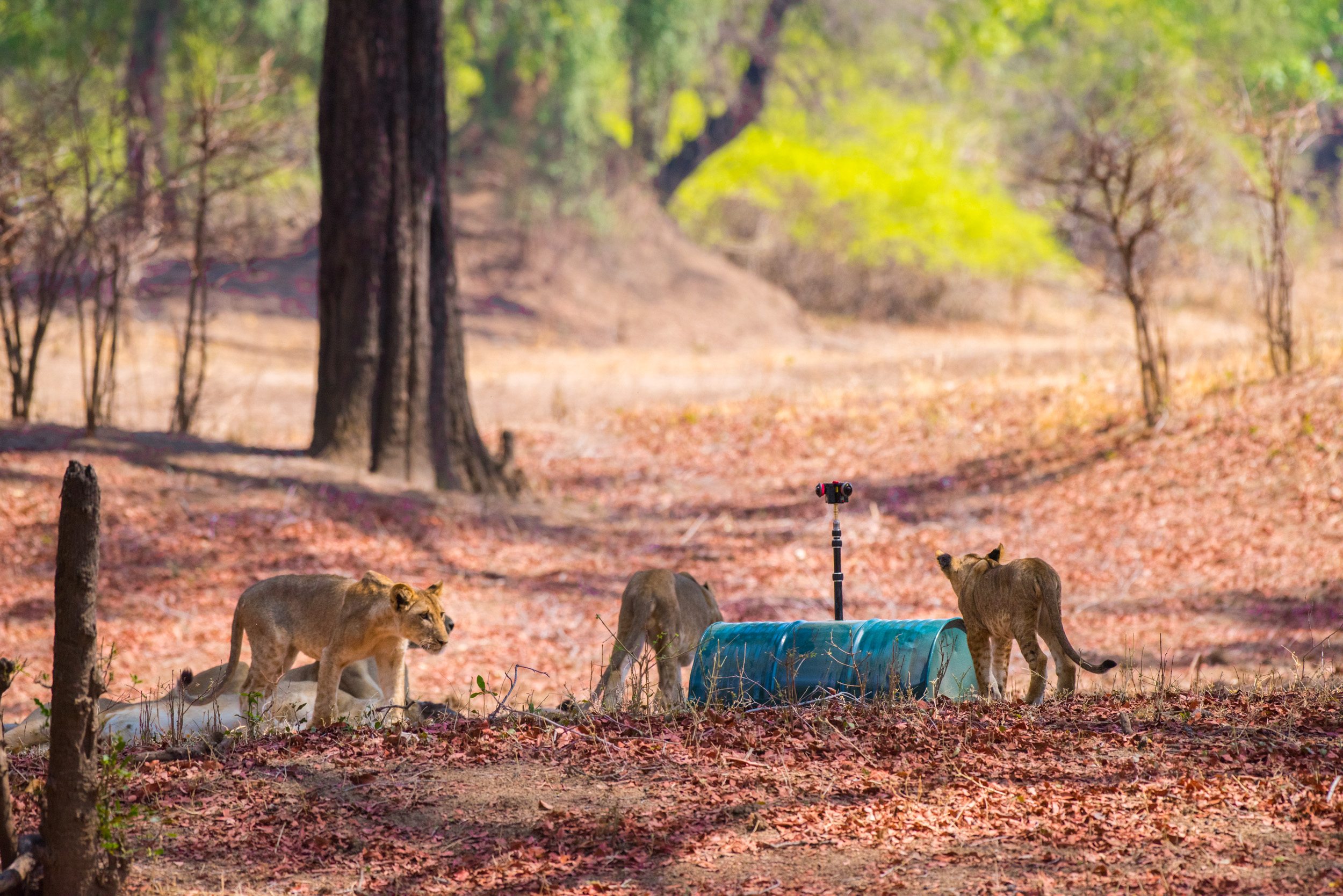
Lion cubs of the Mwamba pride meeting the Droid camera system for the first time ever
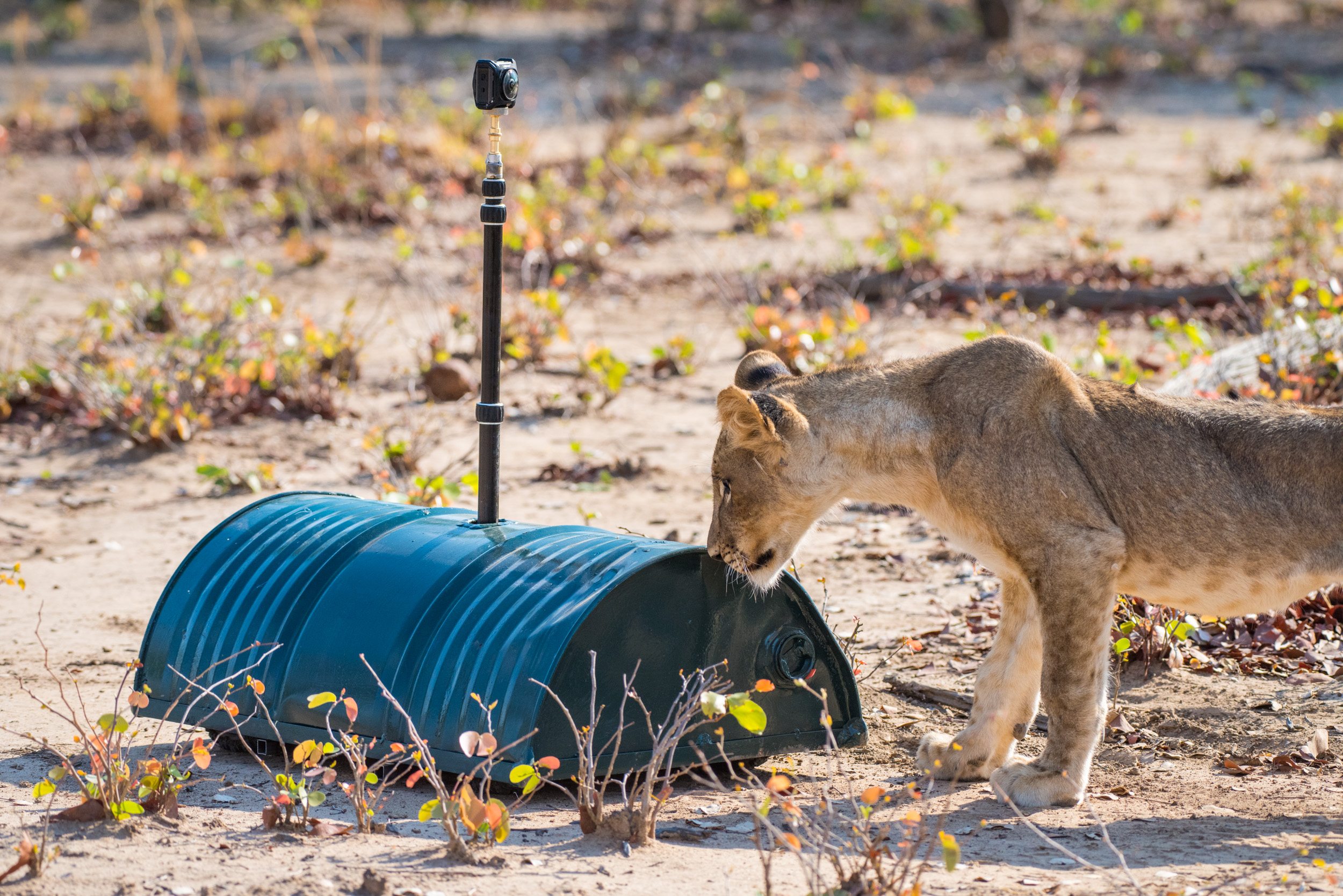
A cub meeting the Droid for the first time ever. After realizing the camera car wasn't that interesting (being all metal) the lions slowly accepted it as a creature of some kind.
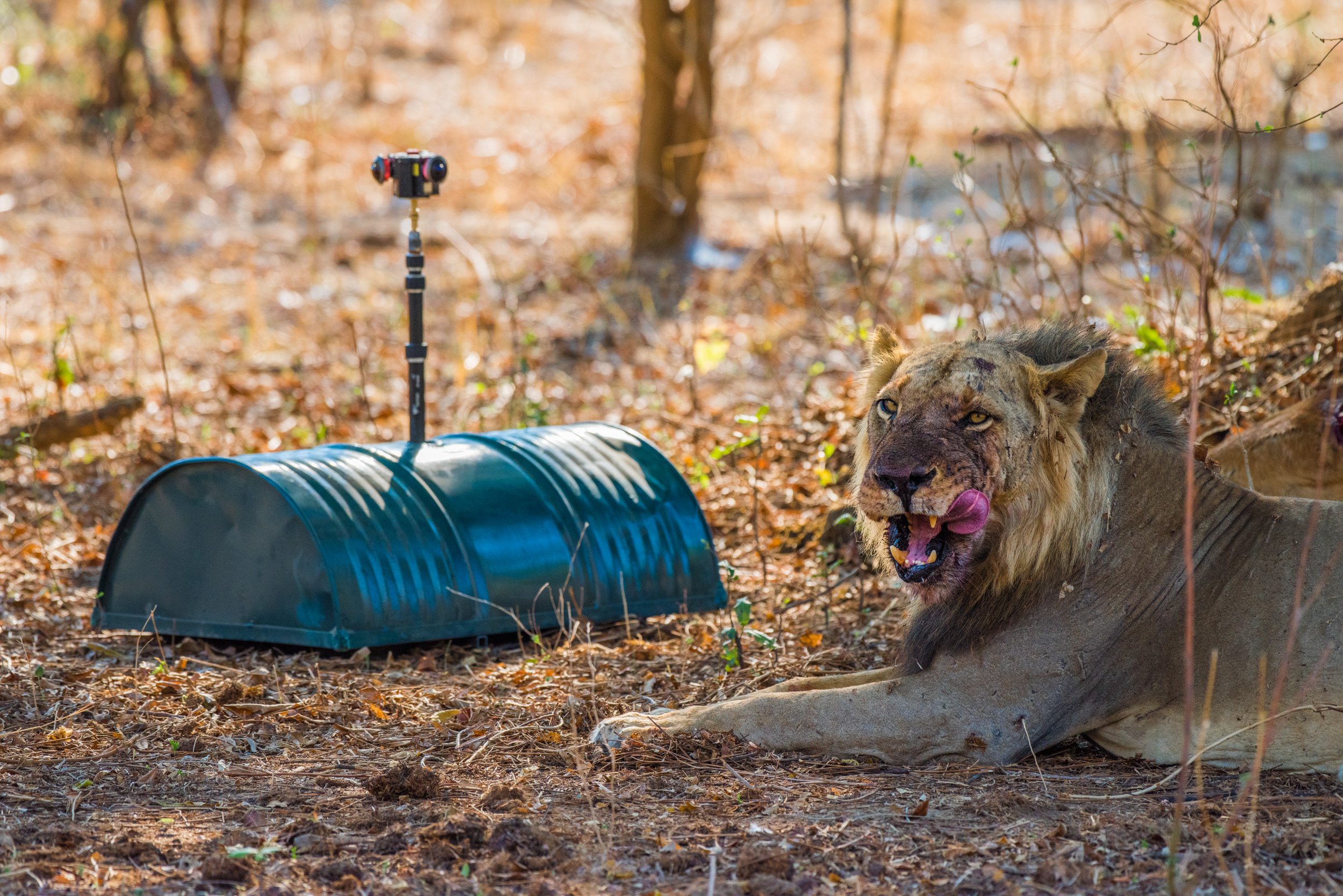
The old lion male (that we call Pala in the story) didn’t care about the camera system even from the start. He never interacted at all and we could film him freely.
Working closely with the scientists and researchers of the Zambian Carnivore Programme was instrumental in telling an accurate and interesting story about the pride.
Spending a full month in the field, the team got to closely follow the Mwamba pride of lions — focusing on Gibson and his mother. Struggling to get the camera system into place before any action happened — spending hundreds of hours simply waiting — the team slowly got to witness the pride dynamics unfold before the cameras.
Gibson the Lion
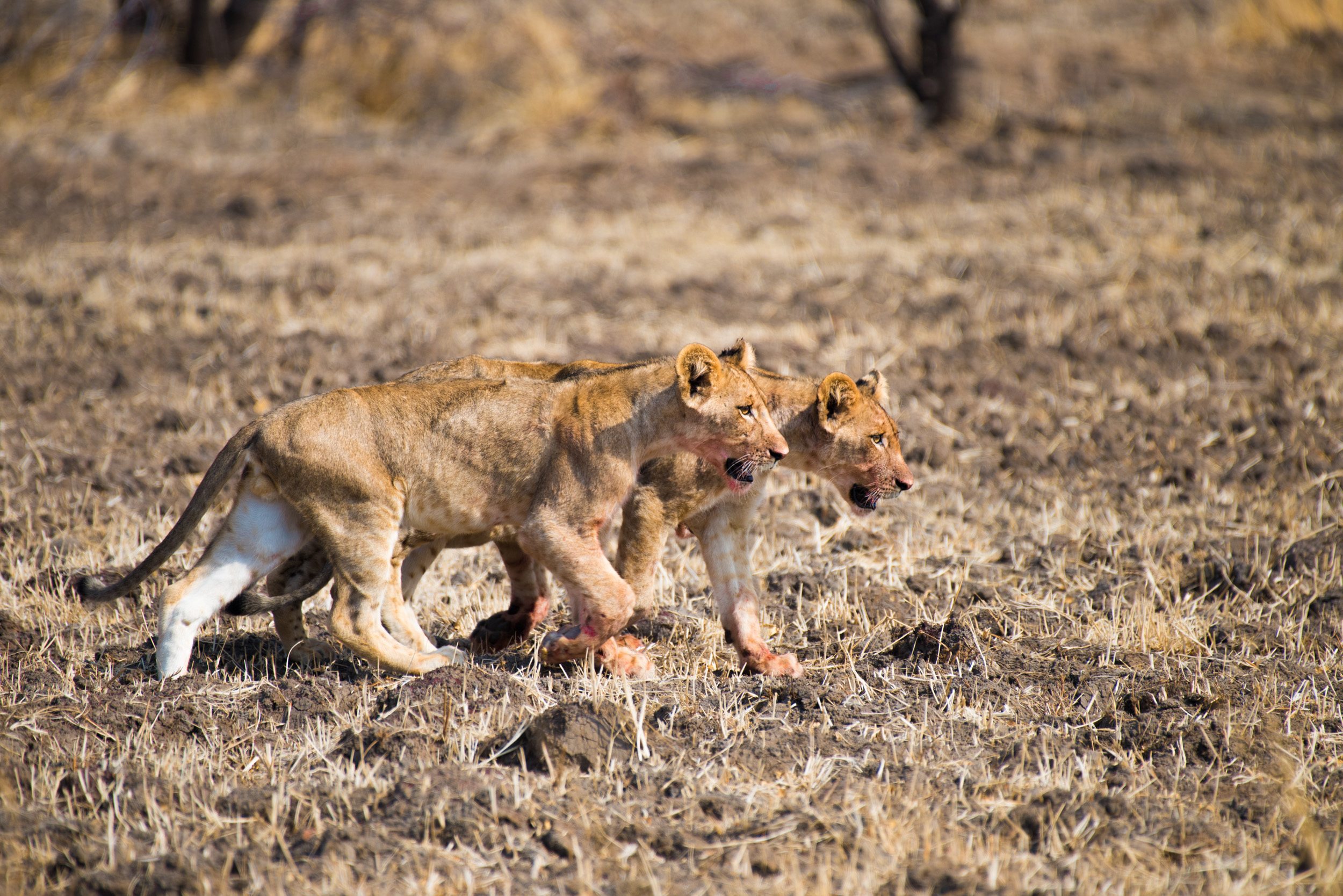
The story is a simple one, and gives a small sliver of insight to the group dynamics of these big cats and their pride — to give people access to the aspects of lion life that seem almost human.
As a cub and young male lion, Gibson has enjoyed the safety and comfort of his pride. Until now. There’s a new male coalition (a collection of male lions courting the females of the pride) in the area. One of these lions is Pala, the oldest.
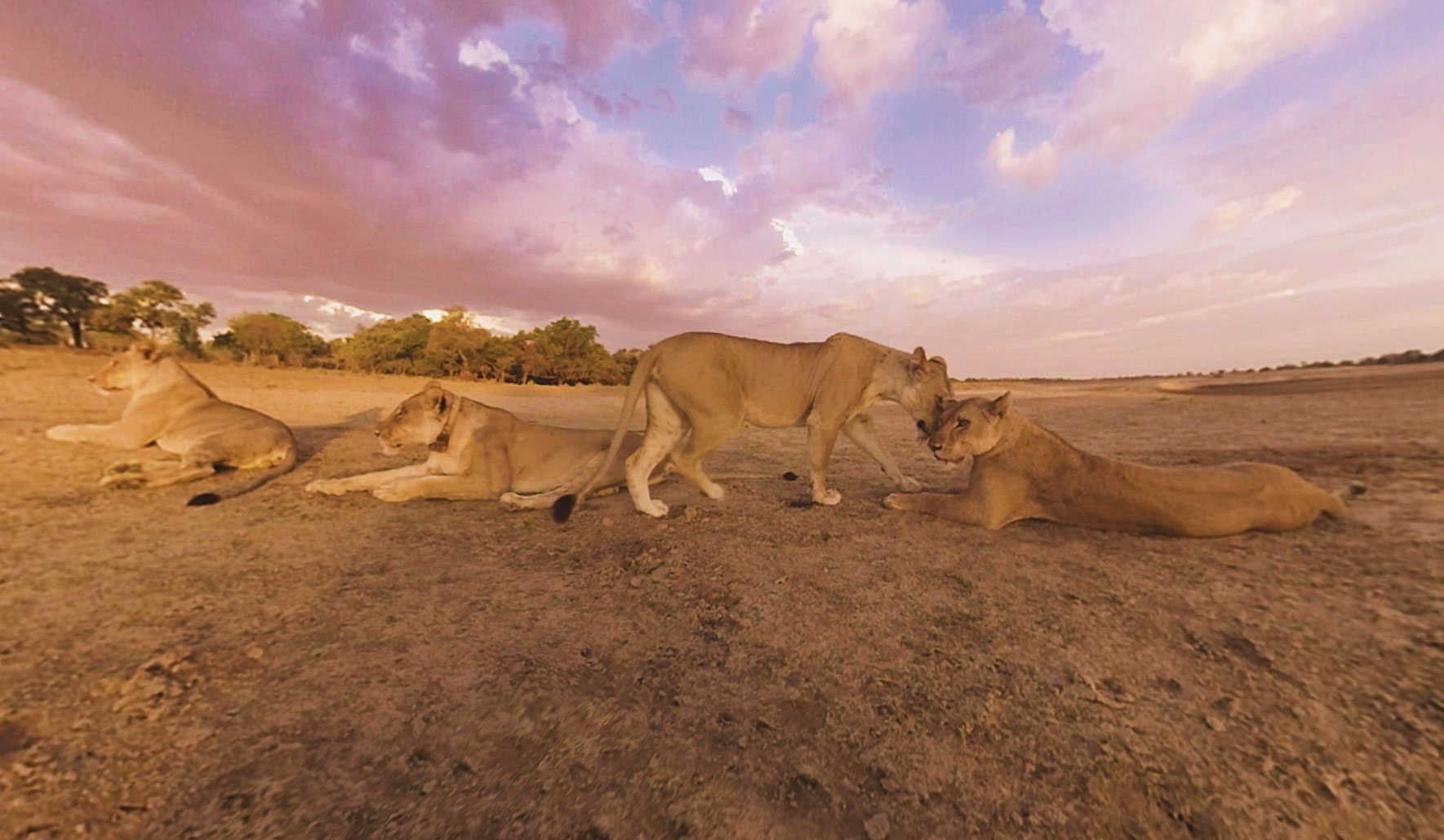
Male lions can sometimes see cubs from other males as a threat. This is what happened to Gibson; Pala and his coalition (with two other males we could observe) did not want Gibson in the pride. They want Mwamba pride to be populated by their own offspring, without any other males present.
This is why Gibson’s mother has led him away.
To keep him safe, and alive.
He has yet to be seen in the wild in 2017, and might have been killed.
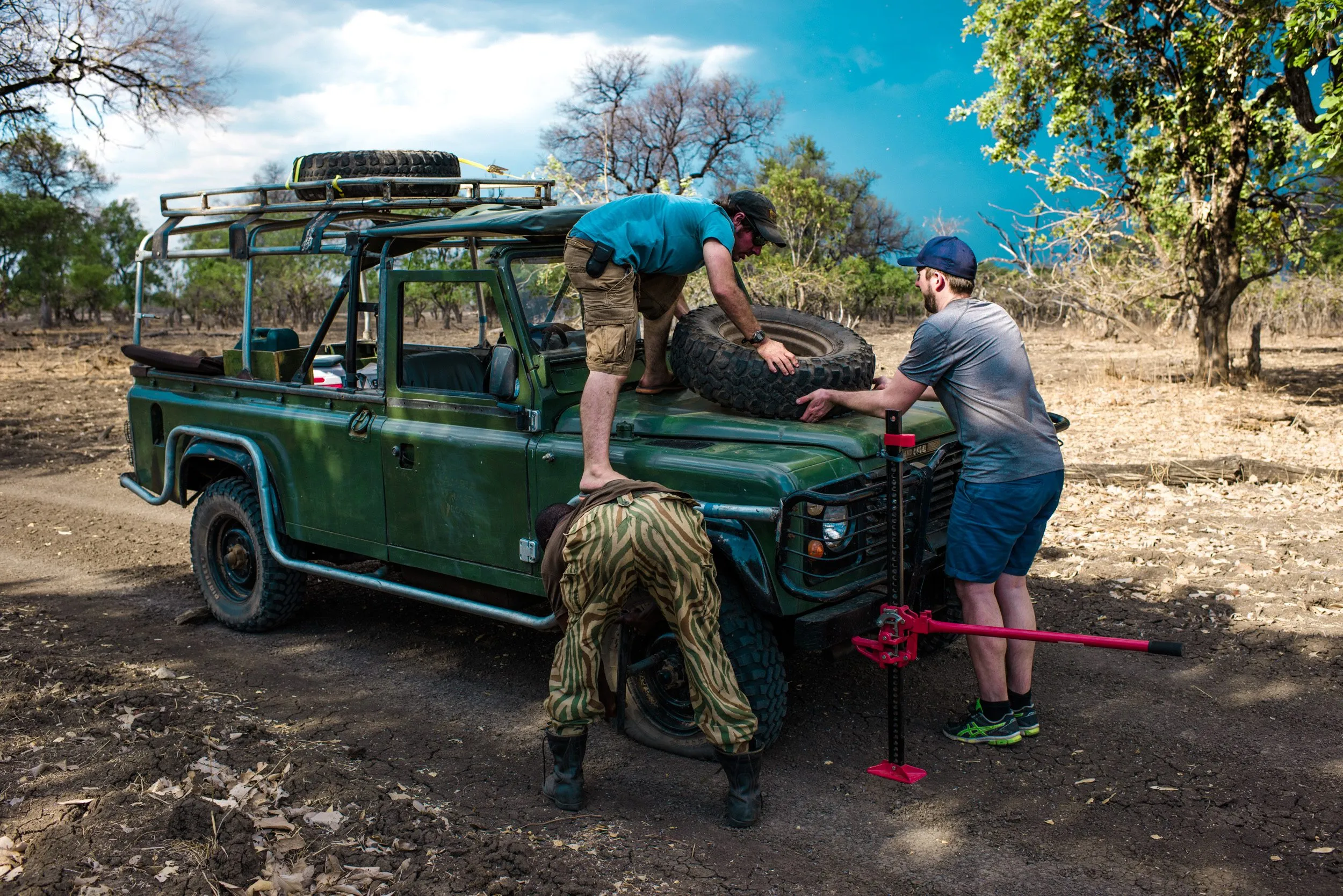
The Team
The Lion VR 360 project brought together a small team of dedicated scientists, conservationists and storytellers to create something unique: bringing lions closer than ever before.
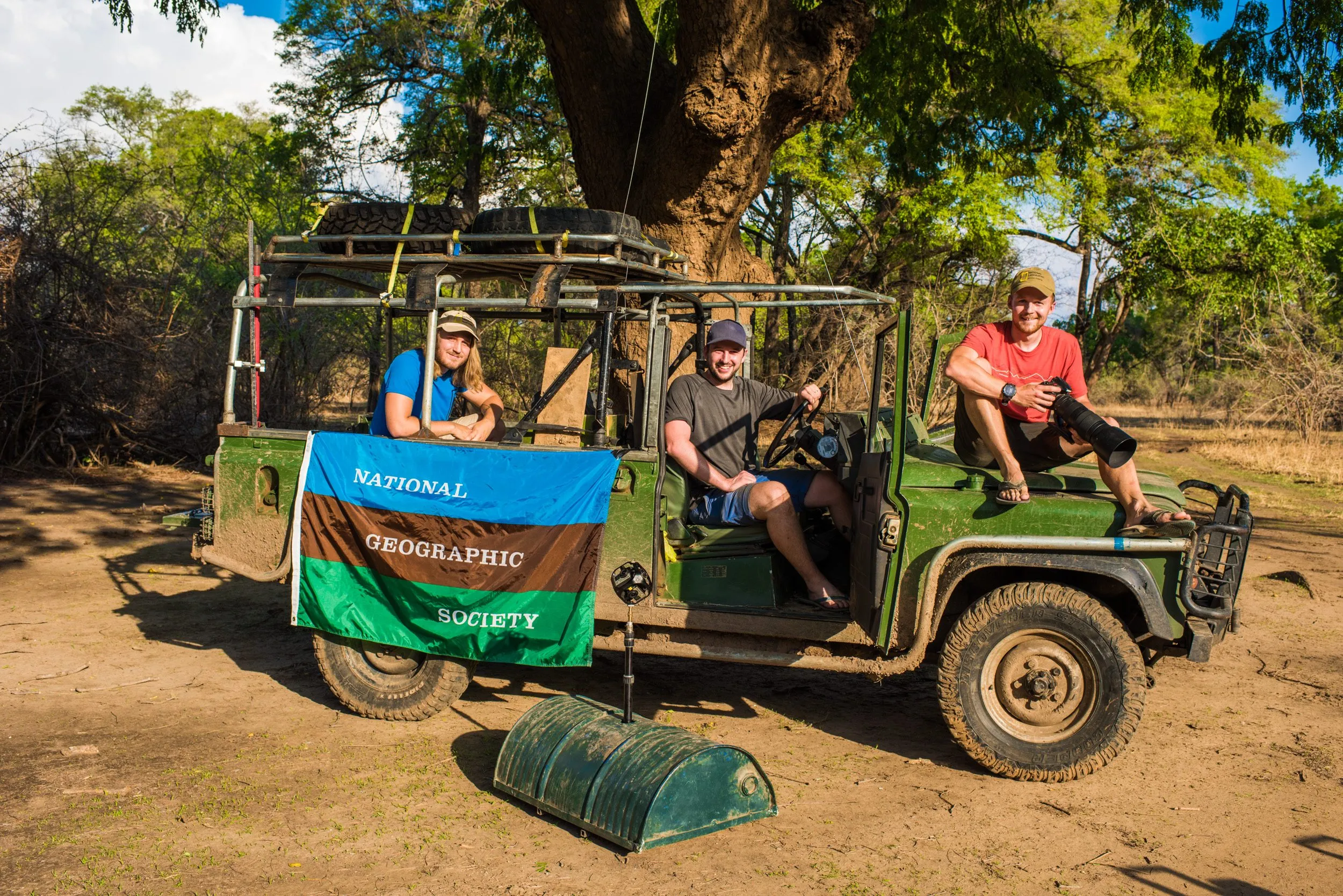
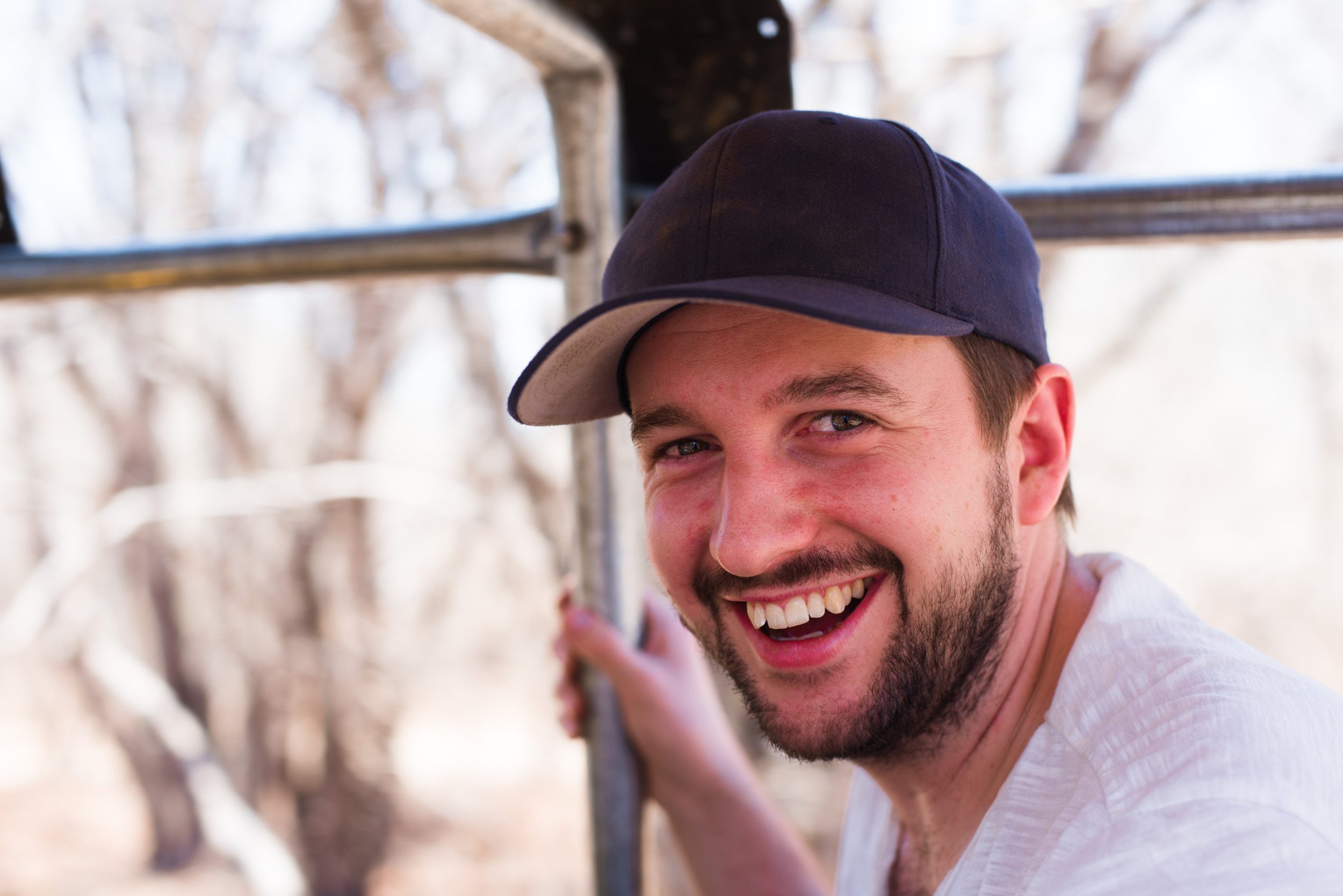
Happy to have just captured the first shots of wild lions in 360-video ever, photographer Erik Löfblad is eager to get out filming again.
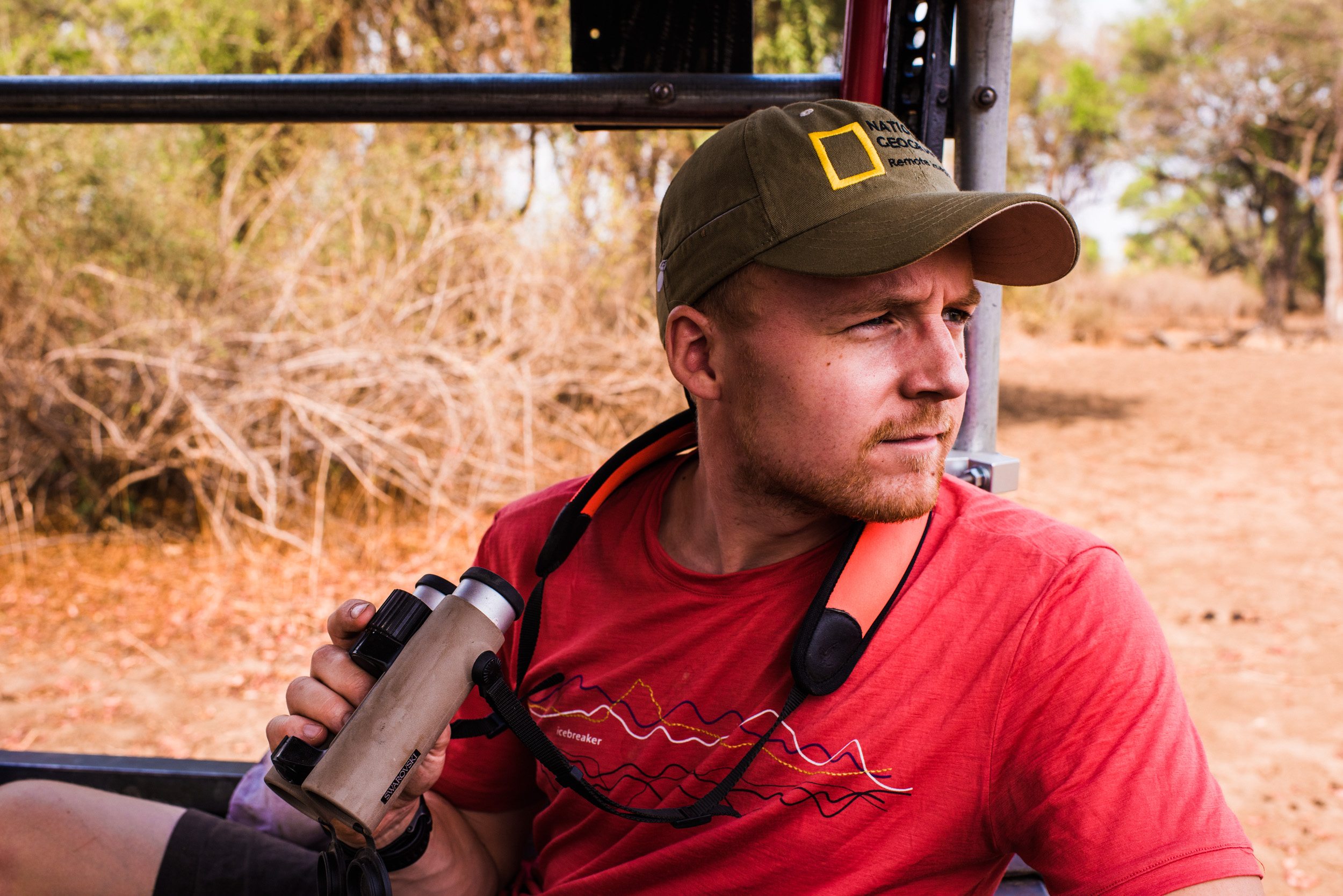
Martin Edström, photographer, journalist and National Geographic Explorer, sitting in the back of a landrover looking for lions in a remote part of South Luangwa National Park, Zambia.
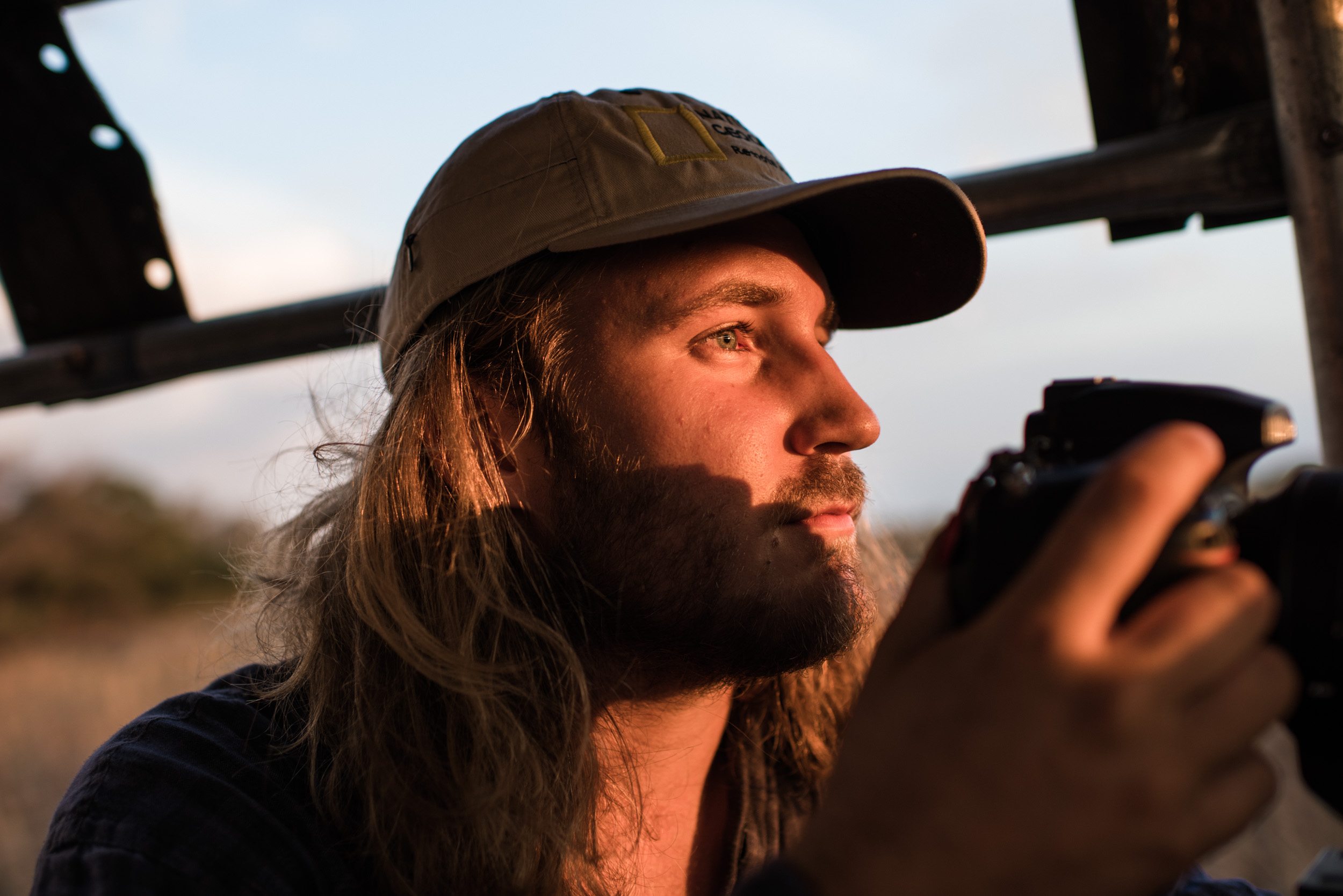
Fredrik Edström, team member on the VR Lions project, getting shots in the first morning light.
The Lion VR 360 project started in 2015, and was led by Martin Edström as producer and director. Core team members Erik Löfblad and Fredrik Edström were central to all stages of the project, from the start of planning and designing the technical solutions as well as filming in the field.
Post-production was led by IVAR Studios. With hundreds of hours filmed in Zambia, the stitching and post-production workflow was a complicated process — followed by editing the final video.
Gibson meets the world
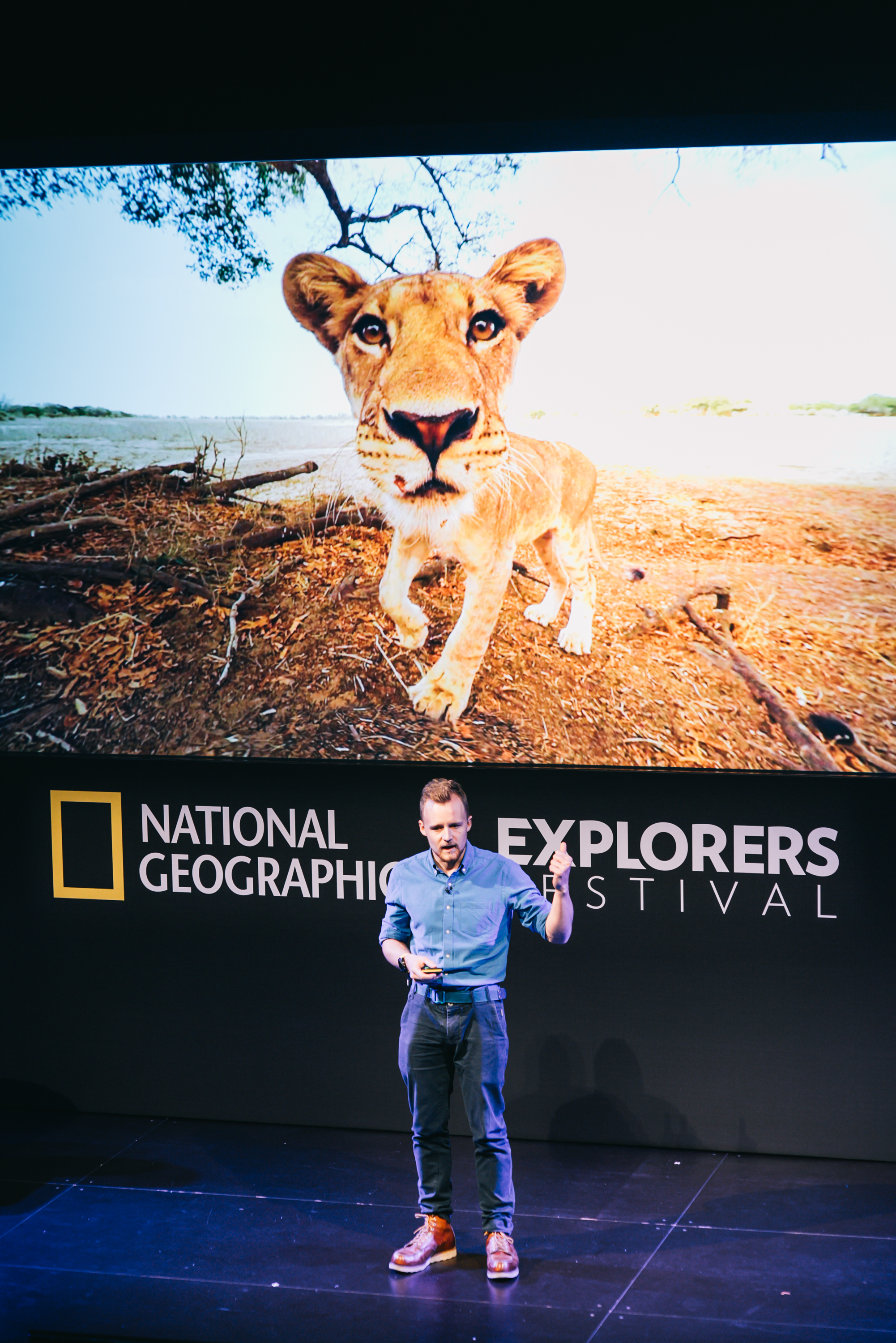
Since the publication of Gibson the Lion in June 2017, the Lion VR 360-video has been showcased all over the world at National Geographic events and has surpassed 50 million views on YouTube alone, with further reach across other platforms and at VR festivals.
Martin continues to give talks about the project at key events, to describe the technology and workflow involved to invite audiences to watch wildlife in a new way — but also to give a heartwarming glimpse of the life inside a pride of lions.
Special thanks
The Lion VR 360 project couldn’t have been realized without the help from a lot of people, that helped us at key stages of the project. They include:
Zambian Carnivore Programme
Mwamba pride
Johnathan Merkle
Gibson Banda
Matt Becker
Luke Dollar
Fiona Pamplin
Rob Clifford
Ben Goodheart
Thandiwe Mweetwa
Kaitlin Yarnall
Camilla Hansen
Merci Olsson
Joakim Mörnefält