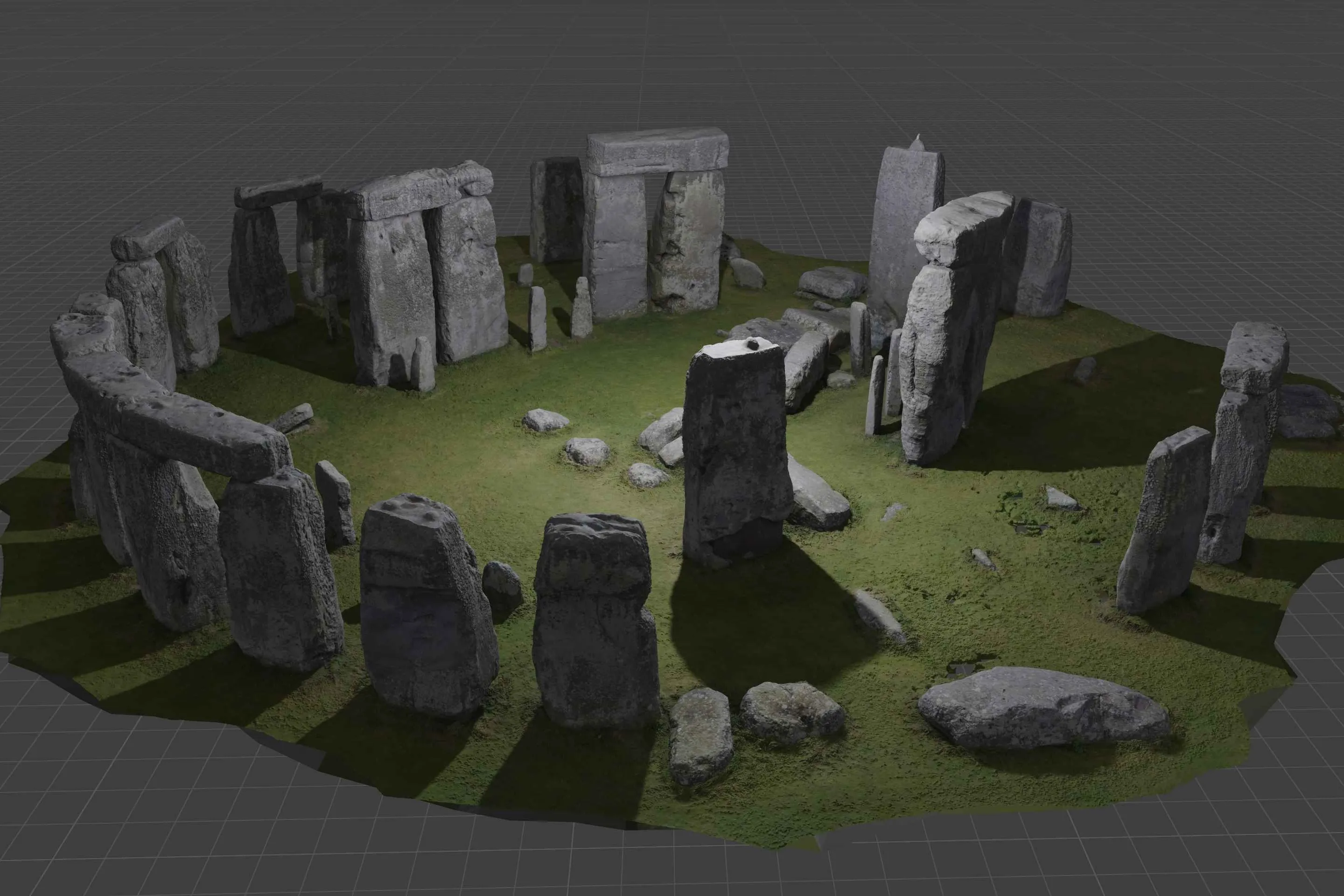
Stonehenge for everyone — through 3D and AR
A complete 3D replica of Stonehenge, captured in photogrammetry and rebuilt as an Augmented Reality experience anyone can summon into their living room.
In 2021 Martin Edström was commissioned by National Geographic Magazine (NGM) to build the model. Together with the IVAR Studios team, he captured over 7000 images on site, feeding them into a photogrammetry pipeline that produced a high-resolution digital twin of the monument. The model was later turned into an AR filter on the National Geographic Instagram account, making it possible for anyone to visit Stonehenge from a living room, garden or public space.
Since then, the Stonehenge AR filter has been shortlisted for several awards. The National Geographic Magazine issue this work appeared in went on to win 1st place in Pictures of the Year International 2023.
You can also read NGM’s Letter from the editor about the process.
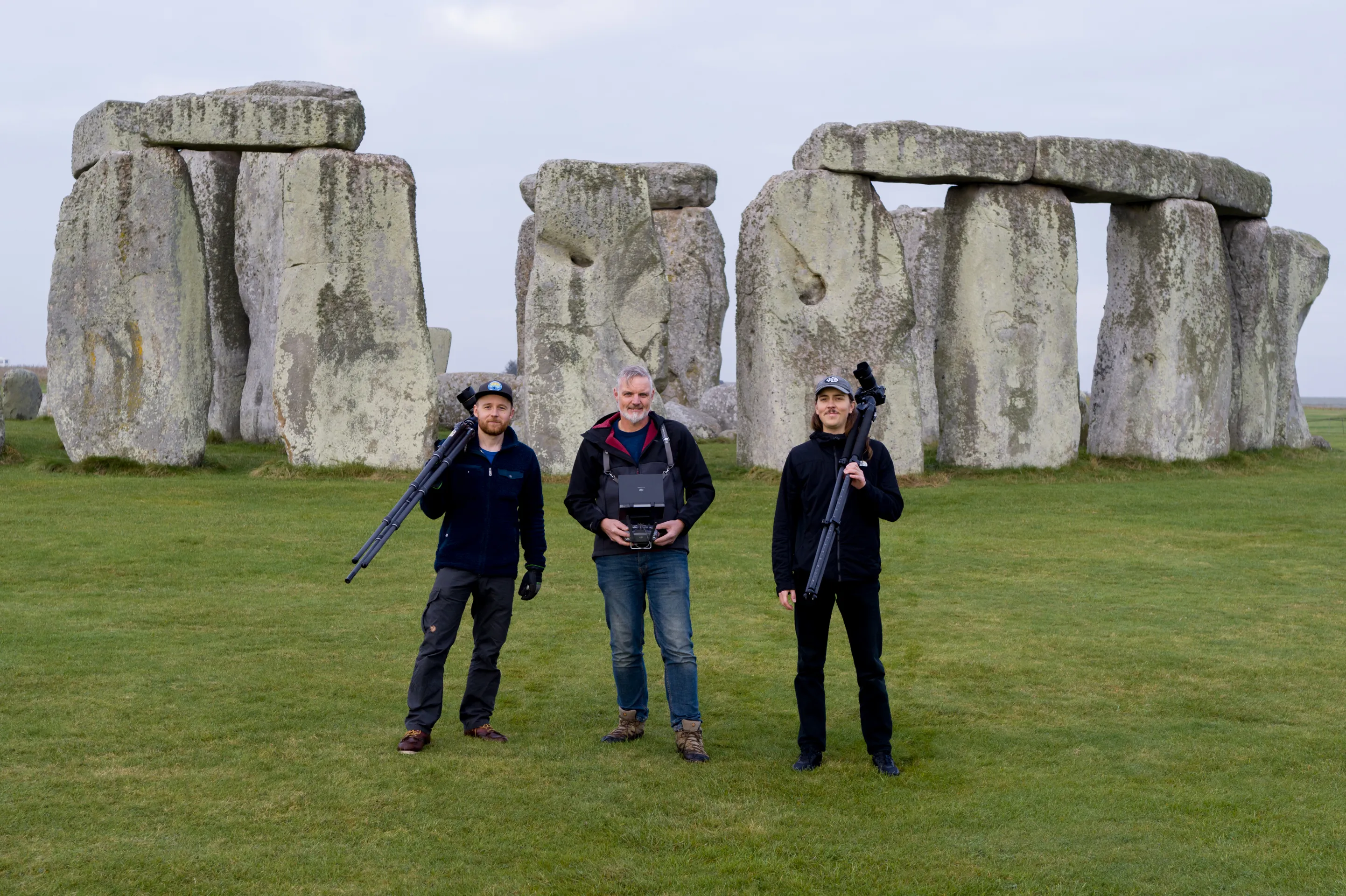
A highly detailed capture process
Martin and his team used a process called photogrammetry to recreate Stonehenge as a 3D-model. This process relies on a large input of images, the dataset, that is fed to a computing algorithm that can calculate point-clouds and 3D-data from the source images.
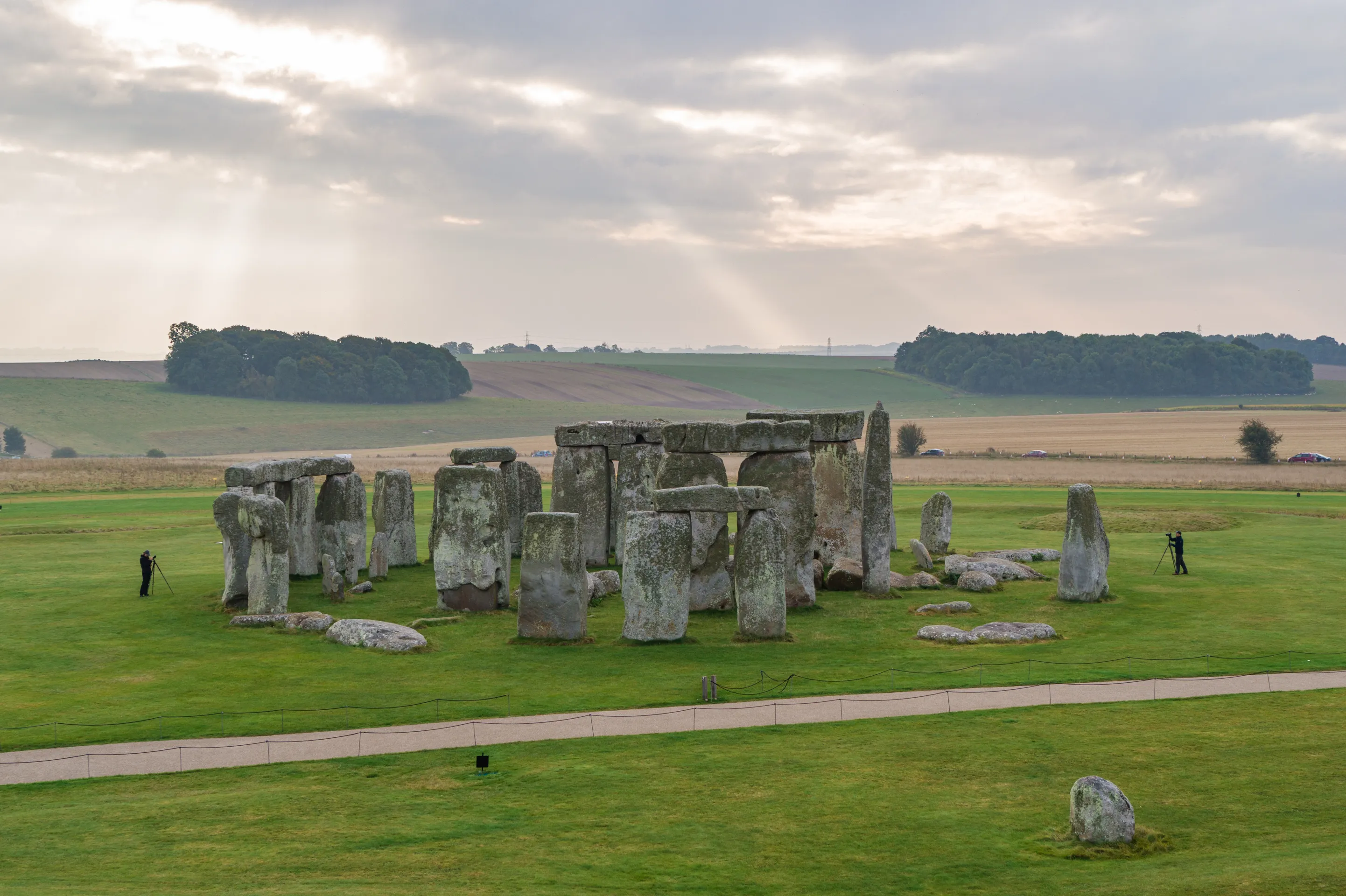
While this might sound easy enough, it involves a lot of planning and a high attention to detail while photographing — as reality is often more complex than you might think at first glance. While many people think of Stonehenge as a few slabs and boulders, the heritage site actually consists of over 120 different pieces of stone.
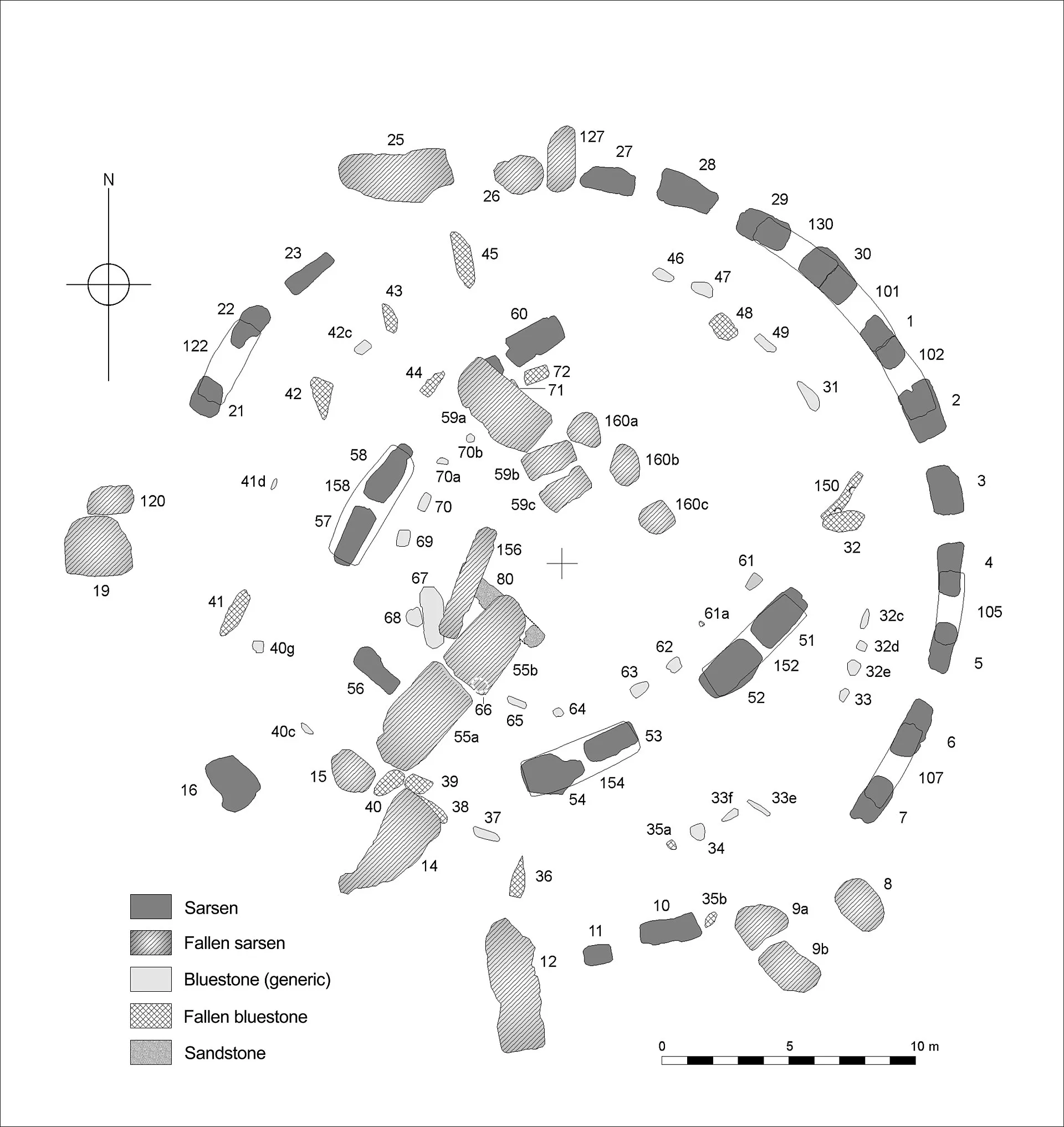
All of these rocks have to be photographed, from every possible angle, to recreate a high detail 3D model in the end. So before heading to the field, the team made a fully choreographed photo list — including both high-resolution mirrorless cameras used on the ground and drone camera to cover the top of Stonehenge.
Post-production of 3D-model
After photographing the source images in the field, the team produced a high-resolution model as well as a much smaller variant that could be used in smartphone applications. The 3D-models were later crafted into a full AR-experience that published on the National Geographic instagram account.
IVAR Studios handled the full photogrammetry and reality capture post-production process for Stonehenge 3D. This entailed everything from data asset management, source image curation and dataset preparation to the actual 3D conversion process.
After building a large-resolution model in 3D, resulting in hundreds of millions of polygons, we also worked with retopology to simplify and minimize the model to a more manageable size.
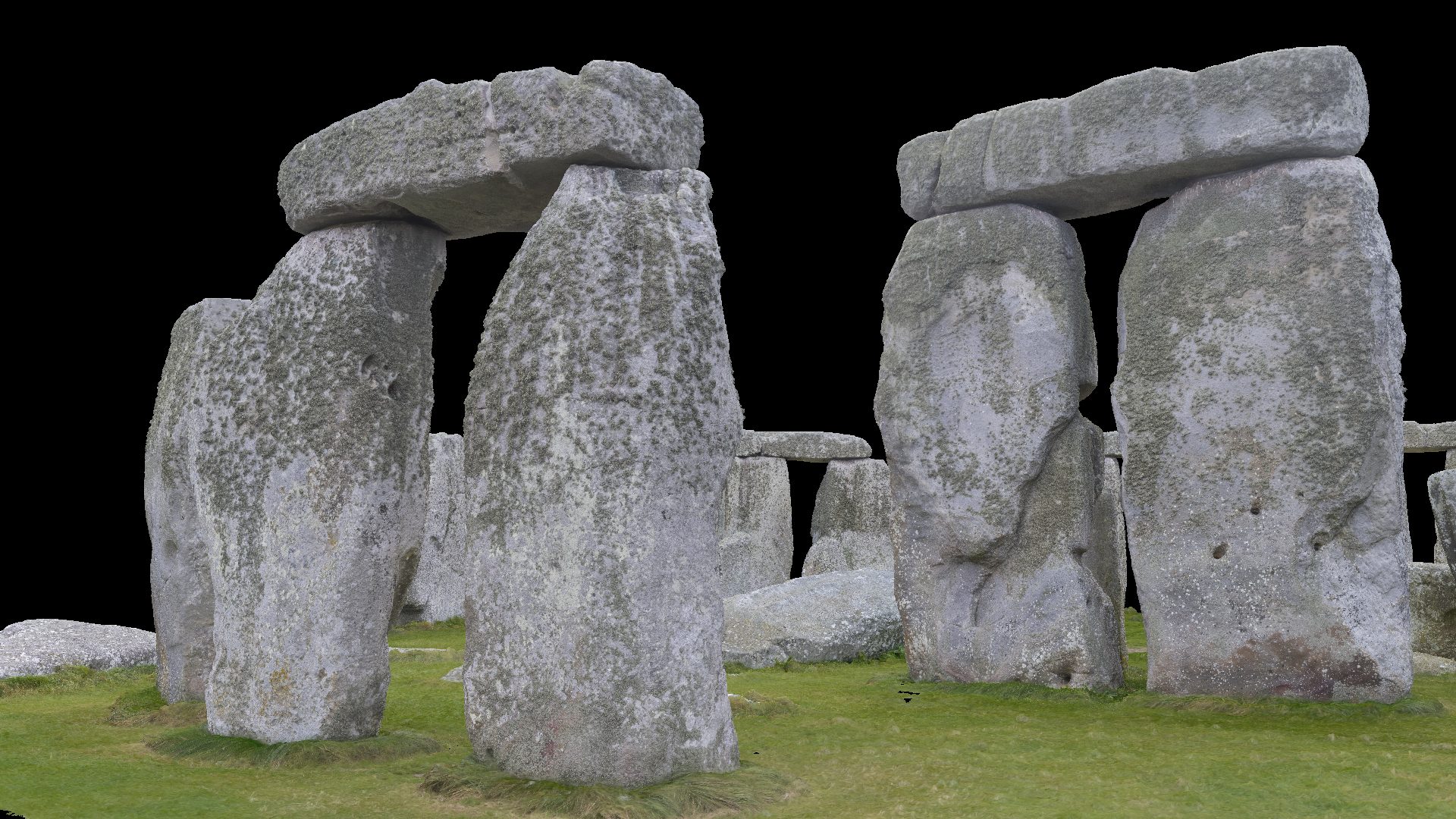
In 3D-software.
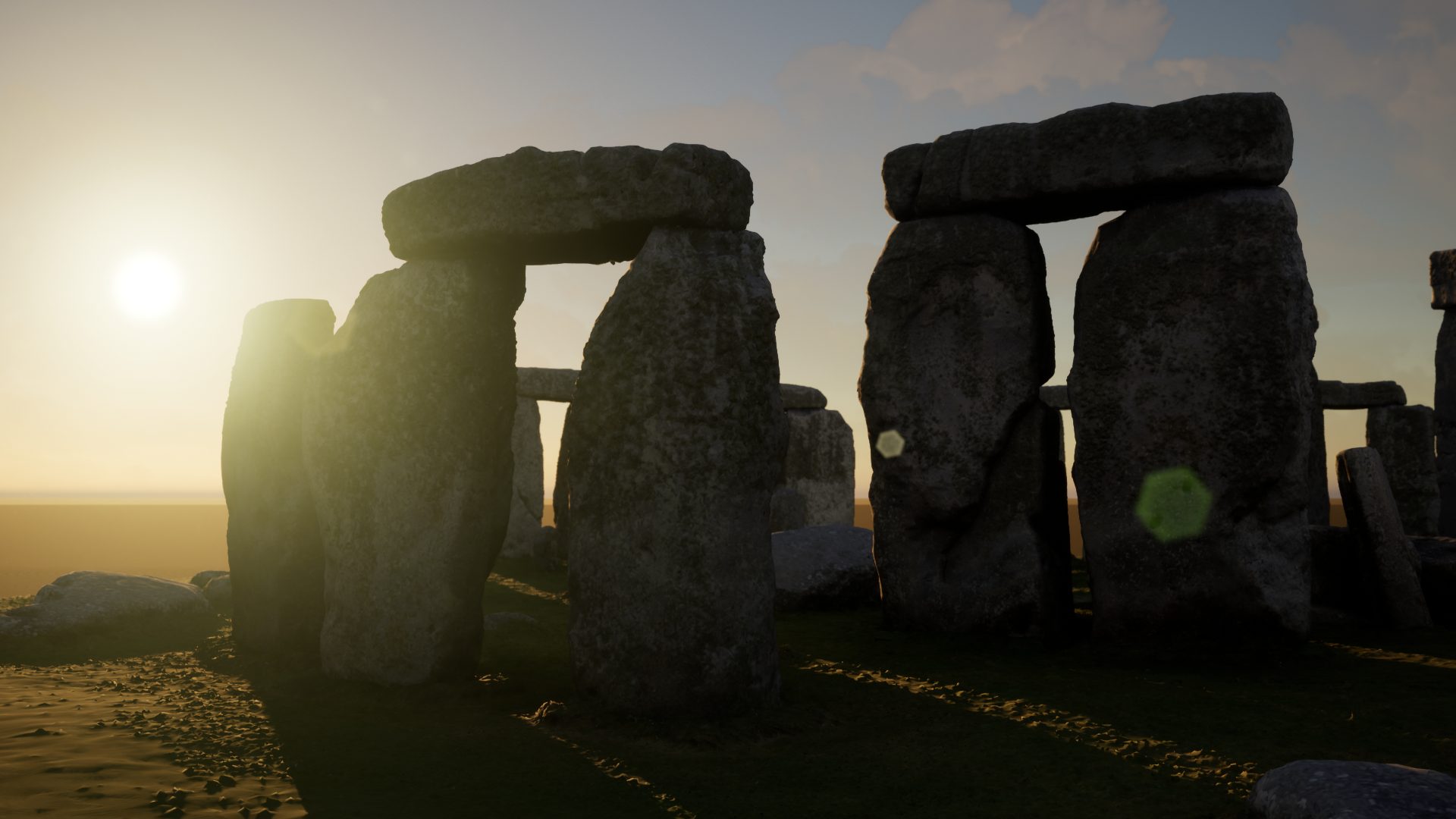
With simulated lighting.
The same Stonehenge 3D-model rendered in 3D-software, then with simulated lighting added.
The end result was a full archive-size 3D model as well as a minimalistic and web-optimized version for use in a smartphone AR filter for social media.
The Stonehenge 3D team
Field team
Martin Edström, Director
Oliver Akermo, Photographer
Paul Joy, Drone pilot
Post-production team
Martin Edström, Director
Carl-Fredrik Zell, 3D Artist
For National Geographic Magazine
Kaitlyn Mullin, Director
Veda Shastri, Producer
Special thanks
English Heritage
The Stonehenge management team