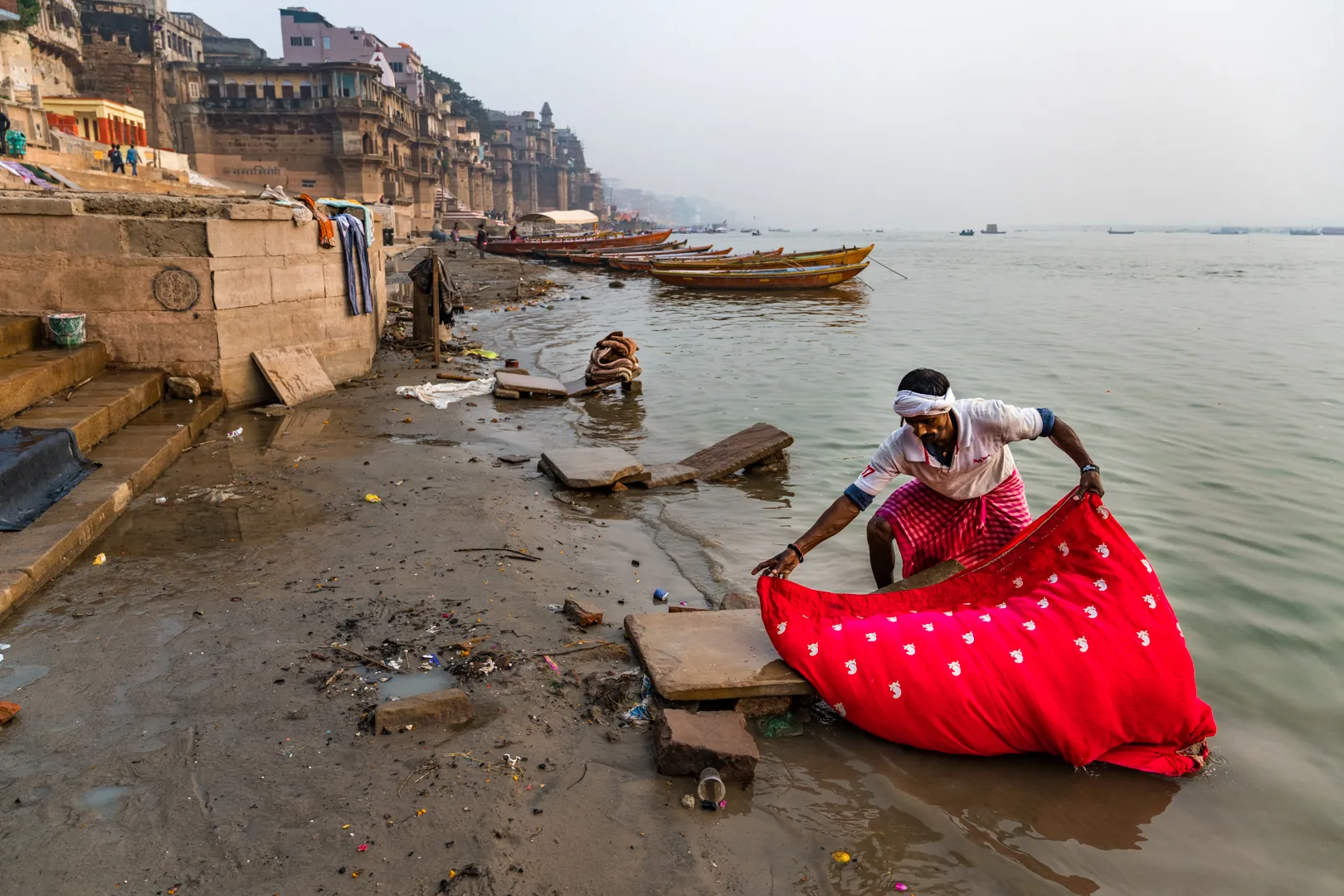
A 3-part VR series along the Ganges
Some nine million tons of plastic waste enter our oceans and water systems every year. Dive into this 3-part VR series along the Ganges to see what that means up close.
The three episodes take you into communities along the river to meet people whose lives are intertwined with plastic — just like most of us. Directed by Martin Edström and filmed by IVAR Studios during the 2019 Plastic; Sea to Source expedition for the National Geographic Society.
Episode 1 – Generation Plastic
The first episode of the VR series takes you to a small rural community outside of Kannauj in India. This village represents thousands of similar communities along the river that live in close connection to the water, depending on it for their livelihood and as a food and water supply.
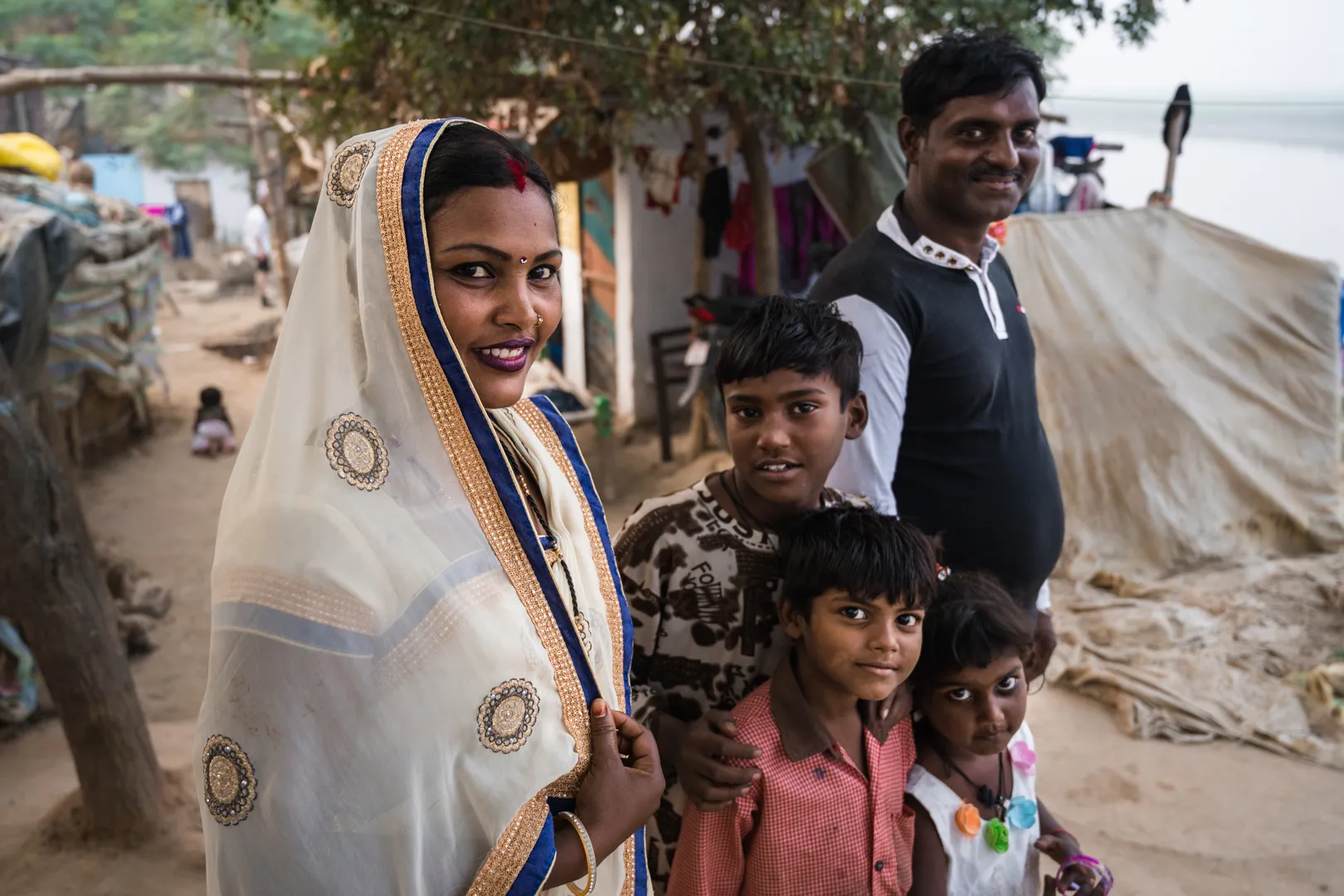
The episode features Poonam, a mother of three, as well as the sage voice of the elderly man Om Prakash. They live in the same village, and have seen different stages of how plastic enters a community.
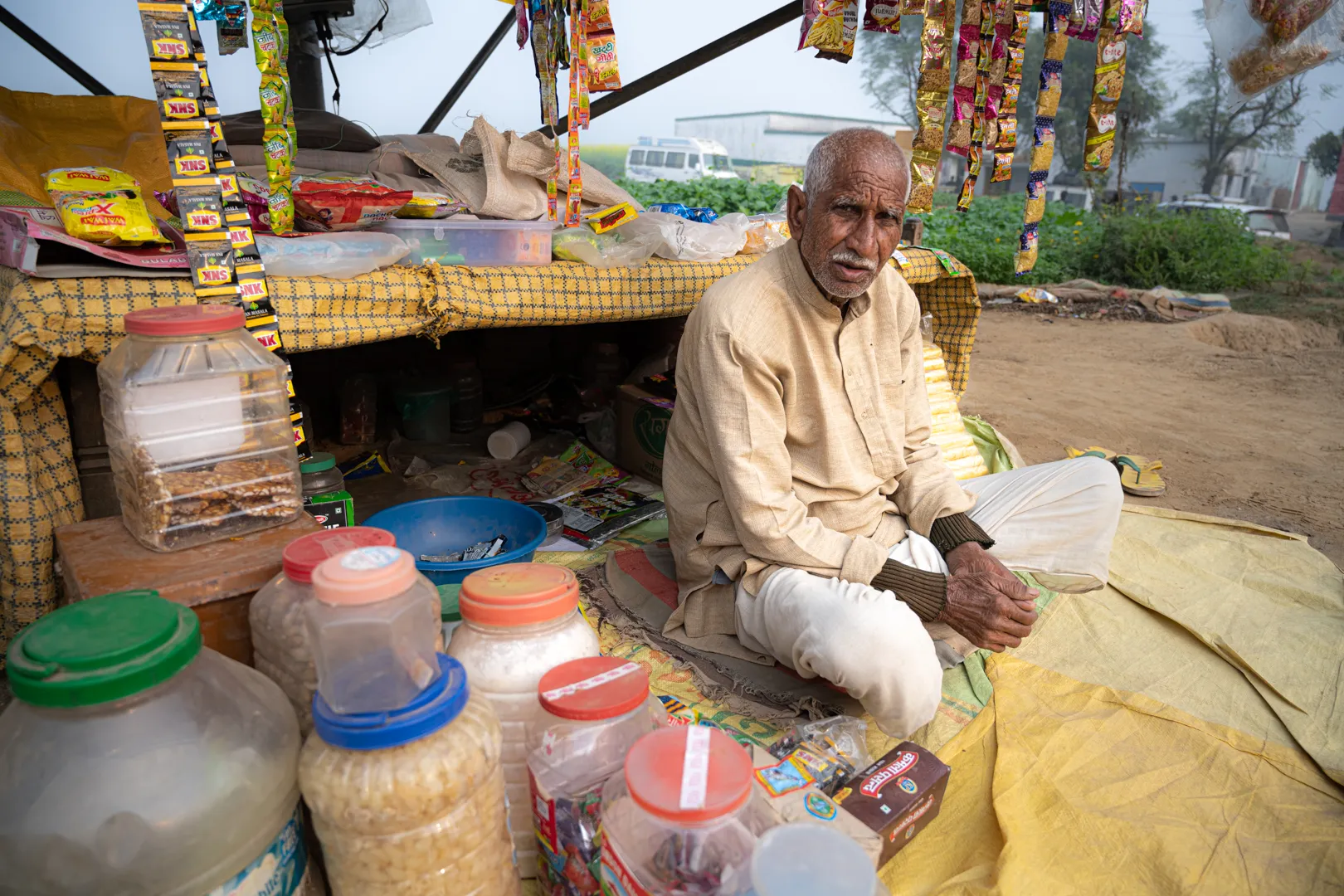
Om Prakash remembers a time before plastic existed, at least in life as he knew it at the time. He used to work as a farmer, and recalls how he relied on very few things from the outside in his daily life. Now, however, he says ‘plastic is absolutely everywhere. You can’t buy a single piece of food without it packaged in plastic’.
The irony is that from his previous work as a farmer, he has had to turn to opening a shop instead — selling food, crisps and sweets in tiny plastic containers.
Episode 2 – The Living River
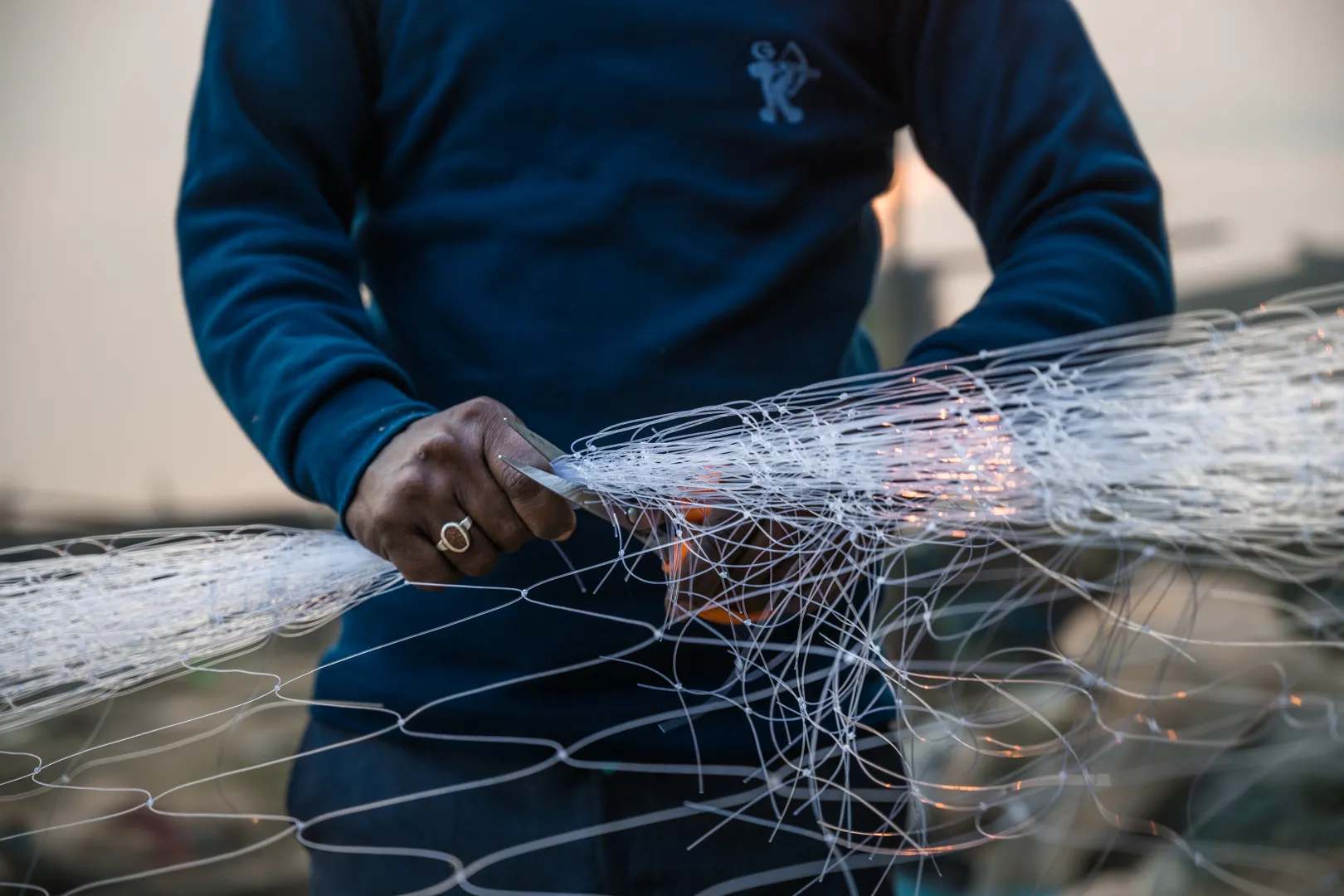
Did you know that half of the plastic in our oceans and our water systems consists of fishing nets? The second episode of the VR series takes you into how the problem of fishing nets impacts local fishermen, their families and their communities.
The second episode features Ganga Sanhi, fisherman and father. He lives in a community on the very banks of the river Ganges, close to Dhani Phatti. This whole community relies on fishing for sustenance, which means fishing isn’t just sold as a commodity but feeds the families of the fishermen.
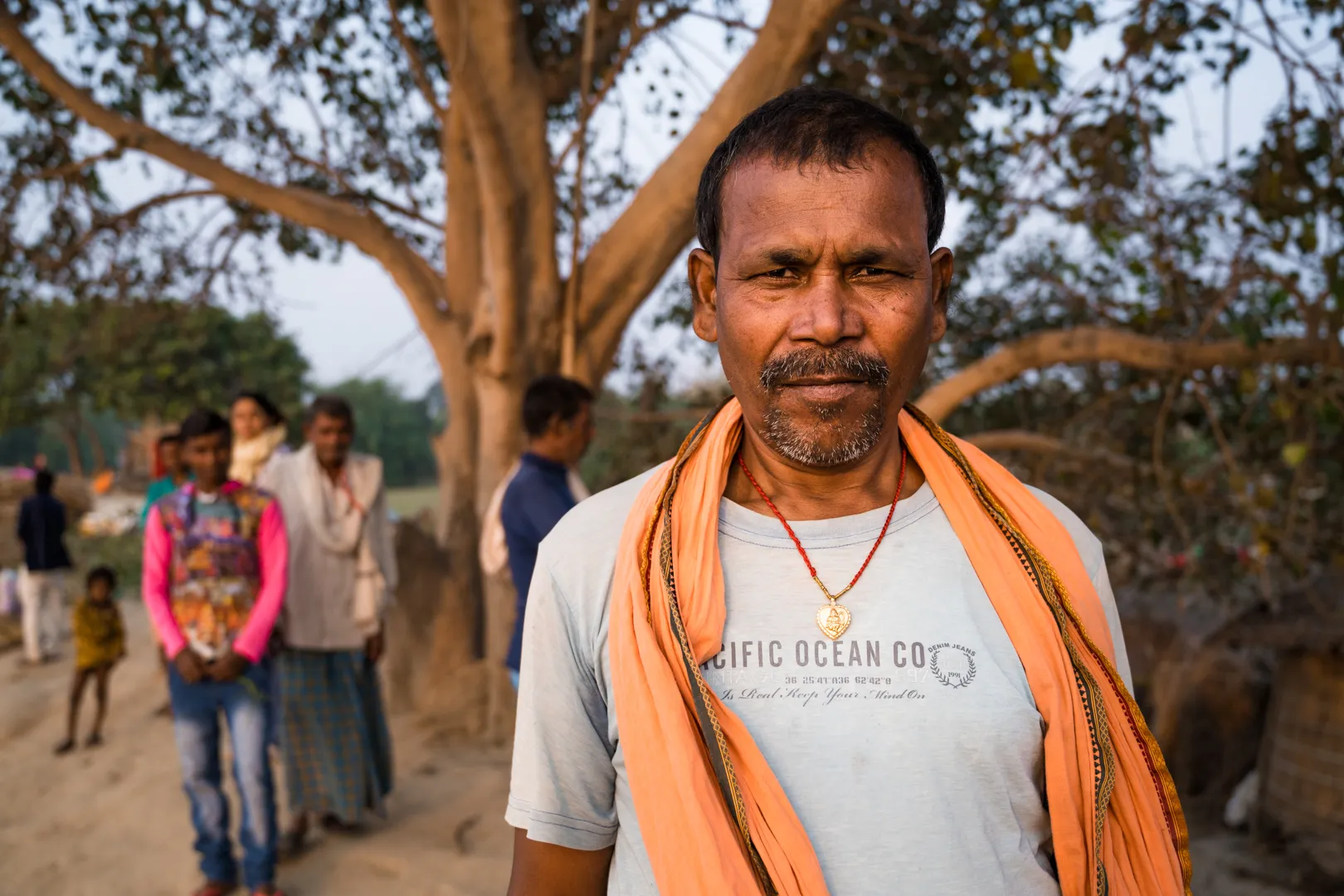
Over the course of his life, Ganga describes how his daily catch of fish has gone from bountiful to pitiful. He says they catch less fish, smaller fish and sometimes simply can’t find any fish stocks at all.
All over India, fishermen have even had to resort to using tiny webbing — like that of mosquito nets — to catch fish of smaller sizes. Where they could once use regular size webbing, this rapid descent into using fine-weave fishing nets signals the decline in size of fish and fish stocks alike.
Episode 3 – Turning the Tide
How do we turn the tide of plastic pollution, to help save ecosystems and future generations from the build-up of plastic materials? That was one of the key considerations of the Plastic; Sea to Source Expedition along the Ganges. The expedition took place in 2019, and is the focus of the third episode of the series.
Featuring Expedition Co-lead Heather Koldewey, the third episode of the VR series takes us into the scientific perspective and the questions being asked by the research team. Following in the footsteps of the 2019 expedition, we get to explore parts of the Ganges with them to understand what we need to know about these materials before we can become a part of the solution.
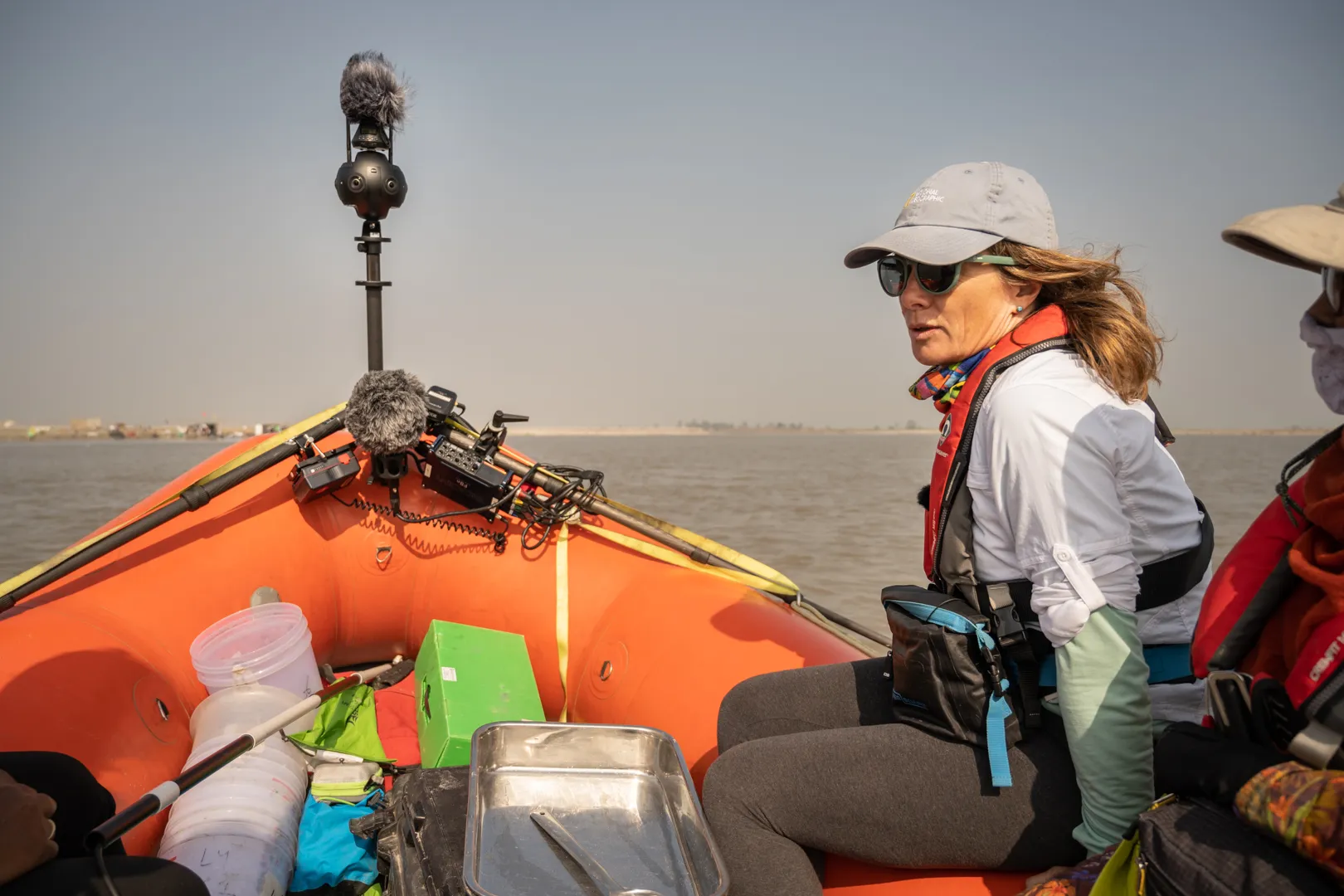
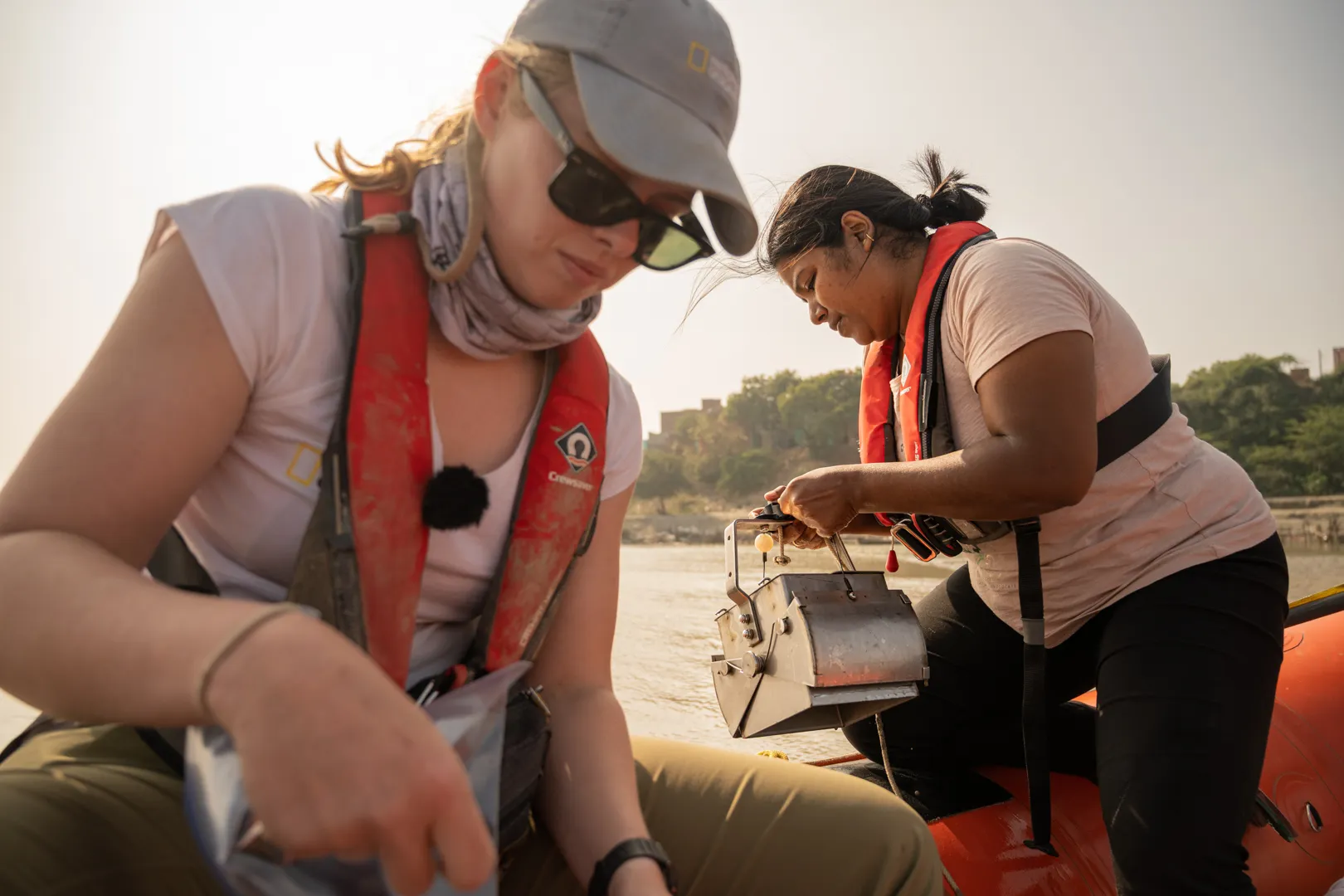
This means the expedition team included research both on land, in the water and in communities along the Ganges. Getting silt samples from the bottom of the Ganges to look for microplastics was just as important as interviewing the villagers about their relationship to plastic. All to get a comprehensive view of the problem, and to find solutions going forward.
To truly tackle plastic pollution, we all need to change our own consumption patterns as well as change the systems that keep all of us relying on plastic in our everyday lives.
Behind the scenes
Martin Edström and IVAR Studios team members Fredrik Edström and Oliver Akermo joined the large team put together by the National Geographic Society to lead VR storytelling on site along the Ganges as the expedition progressed. We worked alongside the scientists to meet, capture and feature the stories of the very people whose daily lives are heavily intertwined and often impacted by plastic.
The VR team
Field team
Martin Edström, Director
Fredrik Edström, Producer
Oliver Akermo, VR Cinematographer
Veda Shastri, VR Producer
Ravi Mishra, Field Producer
Post-production team
Martin Edström, Director
Oliver Akermo, Editor, IVAR Studios
Sofia Hallgren, Composer
Mats Blomberg, audio mix, PLOP
For National Geographic Society
Vanessa Serrao
Sarah Joseph
Tyler Dinley
Wesley Della Volla
Sydney Guthrie
Special thanks
Sandra Elvin