The devastating reality for migrants in Italy
Follow the hidden footsteps of Italy's invisibles
Follow the hidden footsteps of Italy's invisibles
Struggling against xenophobia and exploitation, African migrants try to survive in Europe. This is a story about migrants in Italy: about dreams gone horribly wrong, and the hell at the end of the road.
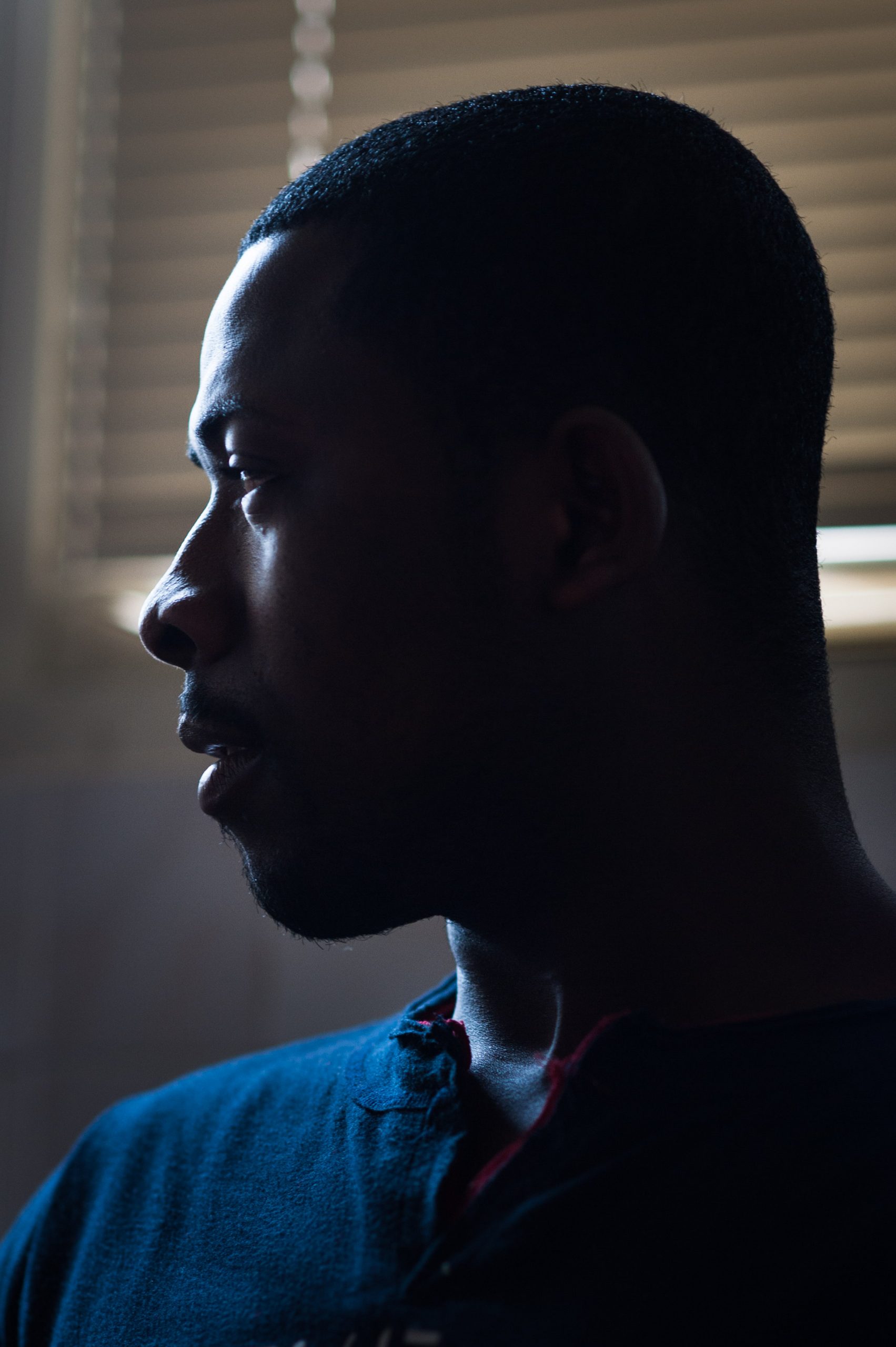
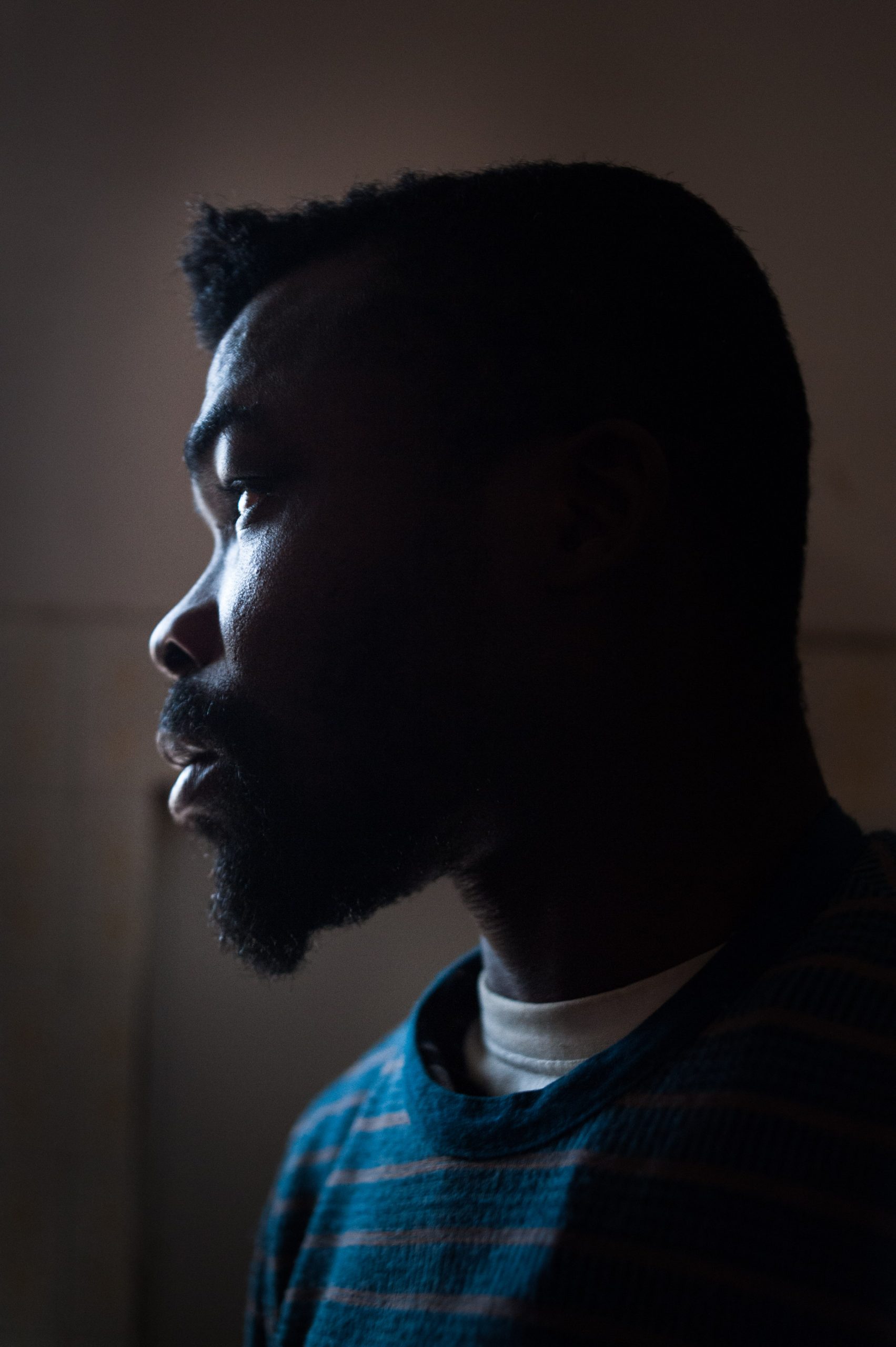
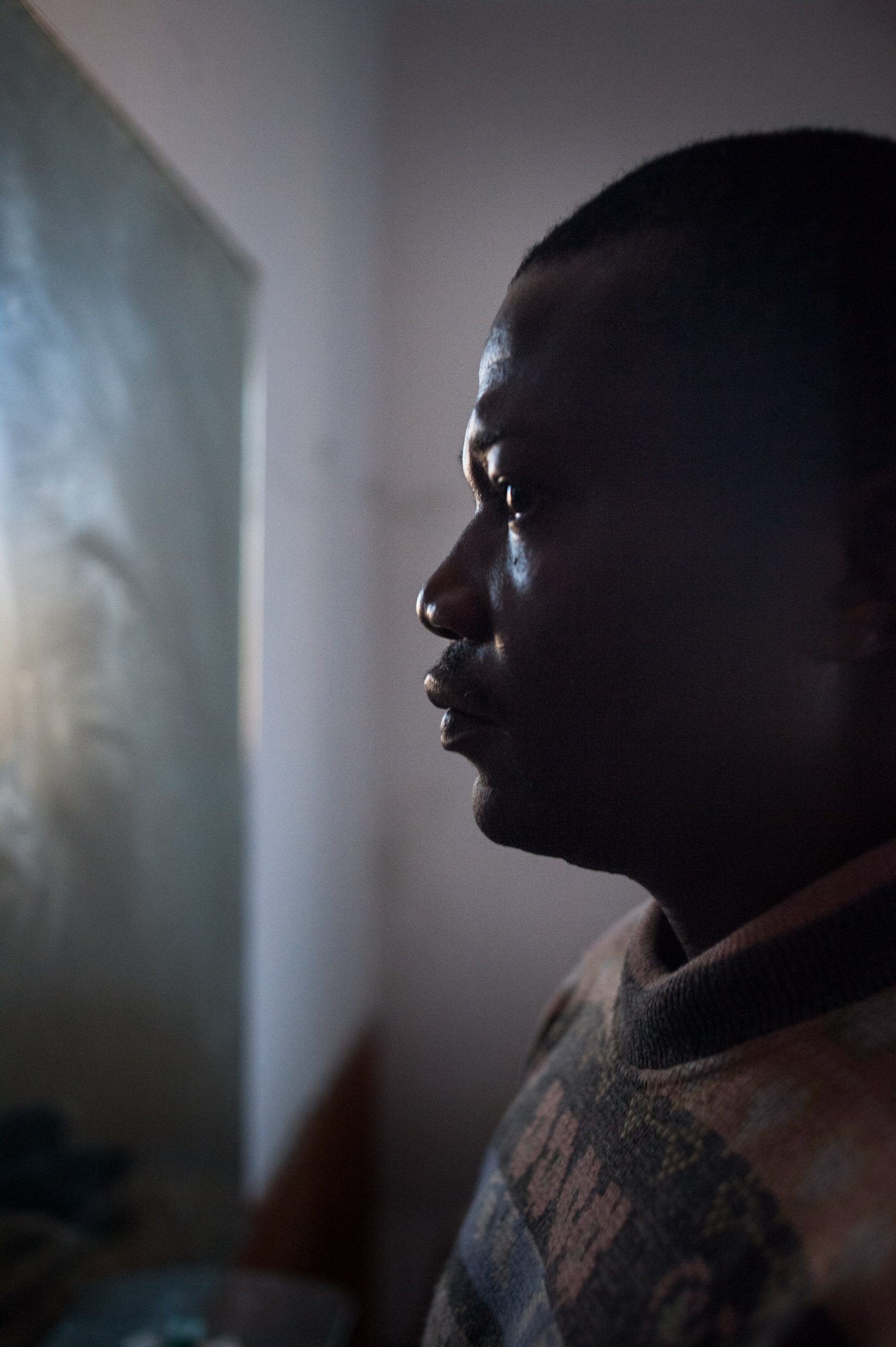
This story is told by Gibirine Yusif Mohammed. He is twenty-seven, and black. Escaping his home country, Ghana, he fled through Libya and got to Italy by boat. Not a regular ferry though. He went over the Mediterranean on a small rubber dinghy, with twenty-something people on board, set to sea by Libyan smugglers who charge steep prices for nothing but a chance. Few make the journey. Yusif did, and came to Italy in hope of a better life. By definition, he is a migrant. Though his tale is that of a refugee — escaping home for an endless road, sojourned in a country without signposts.
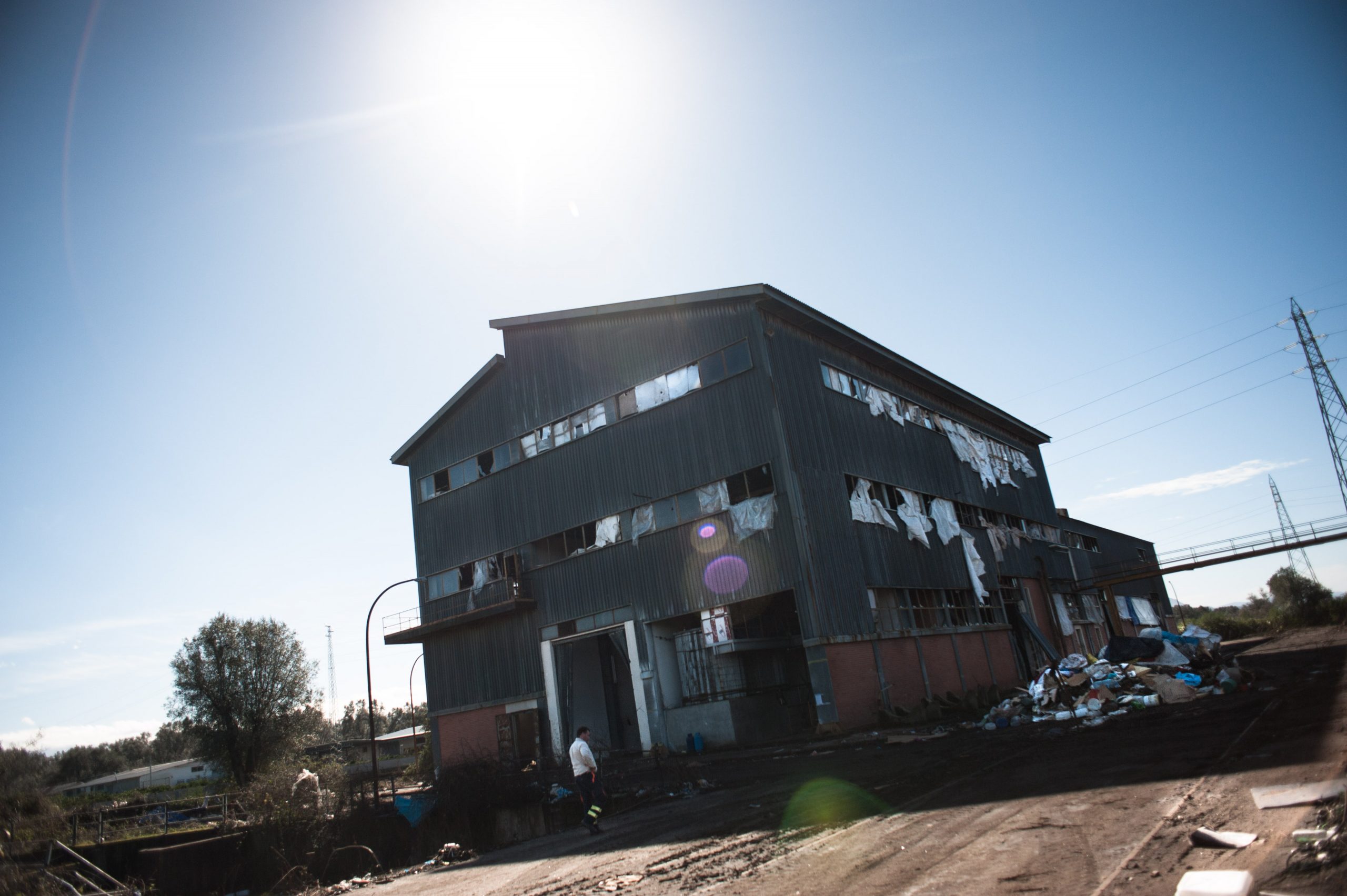
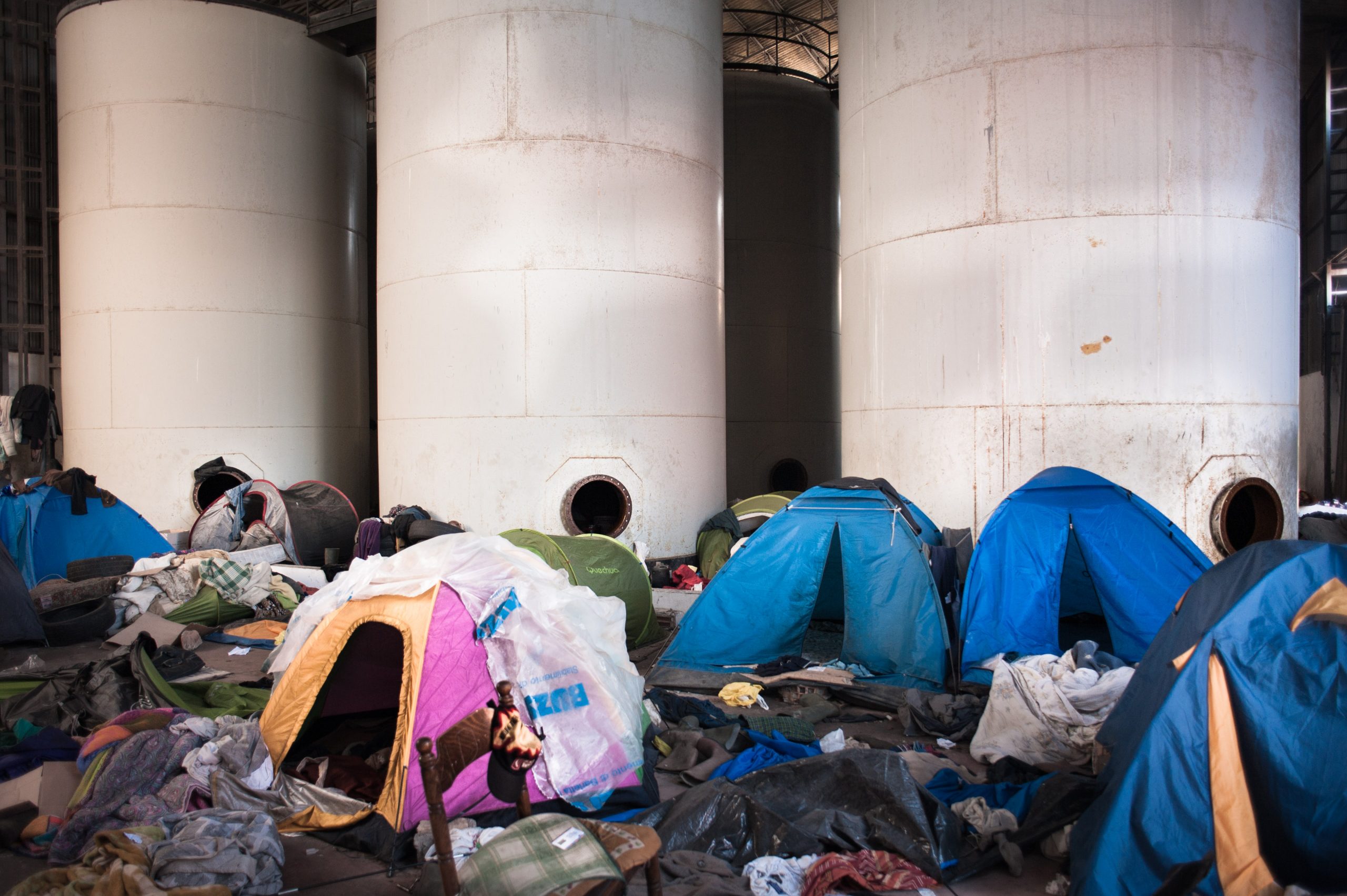
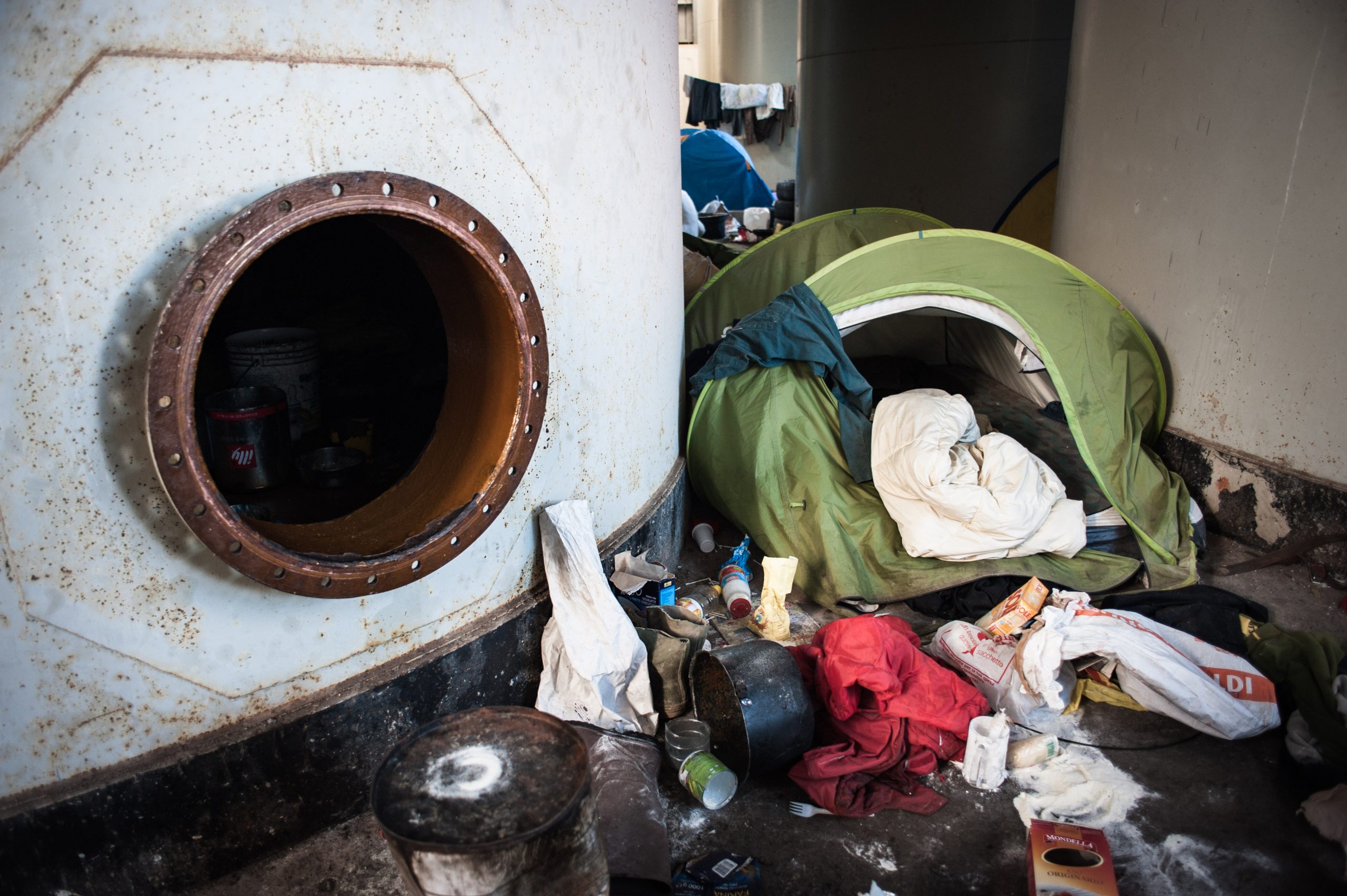
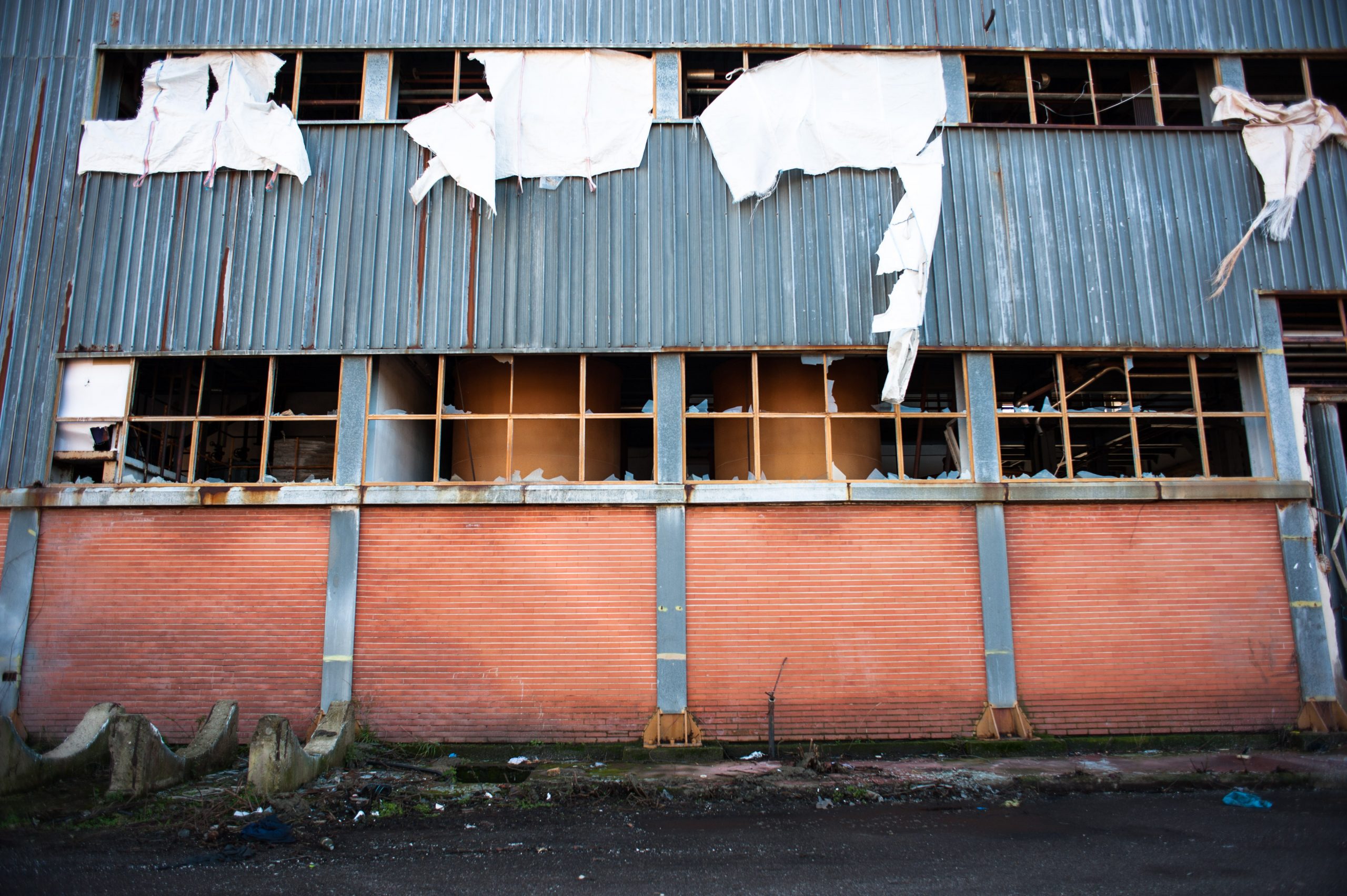
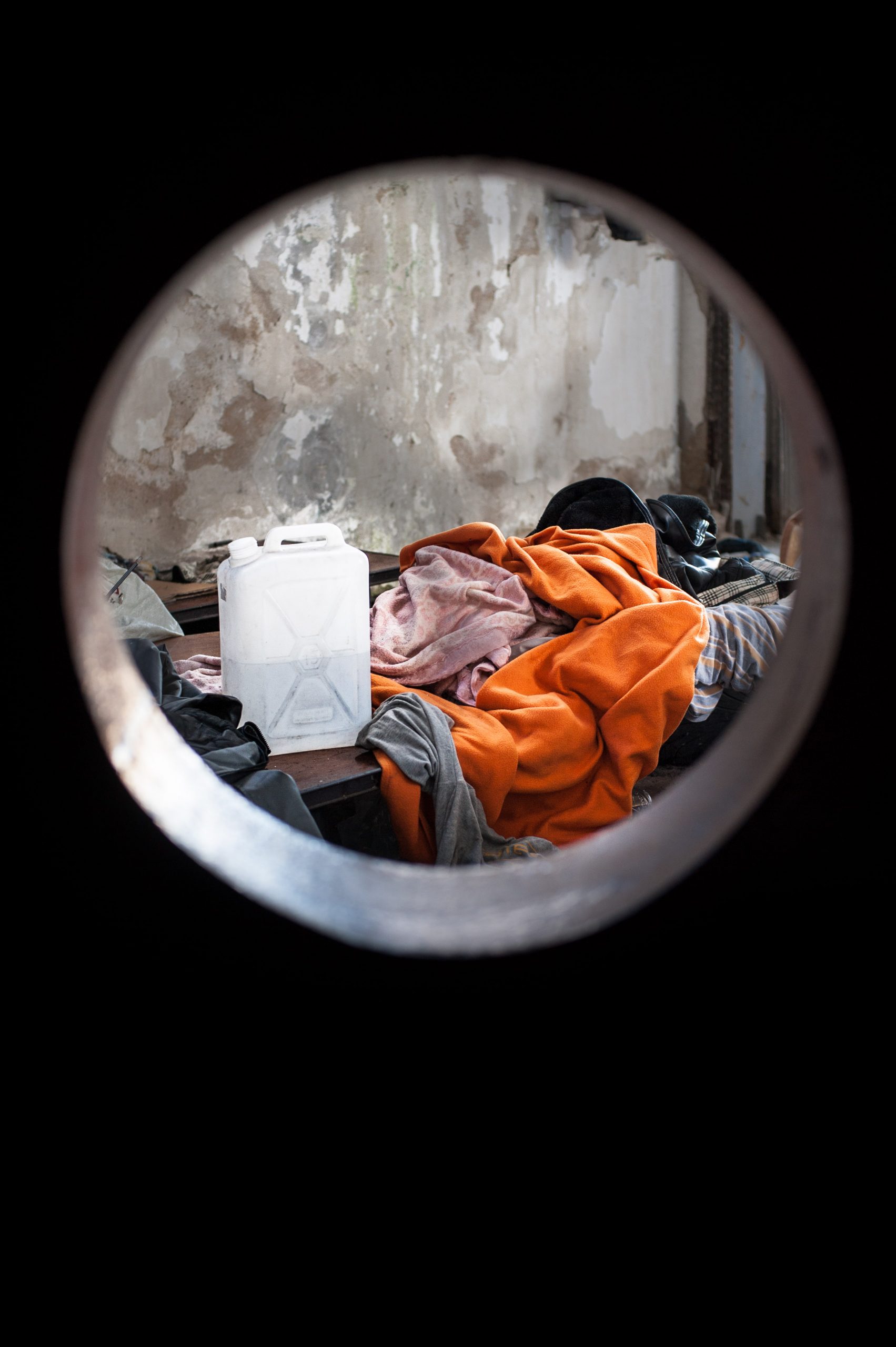
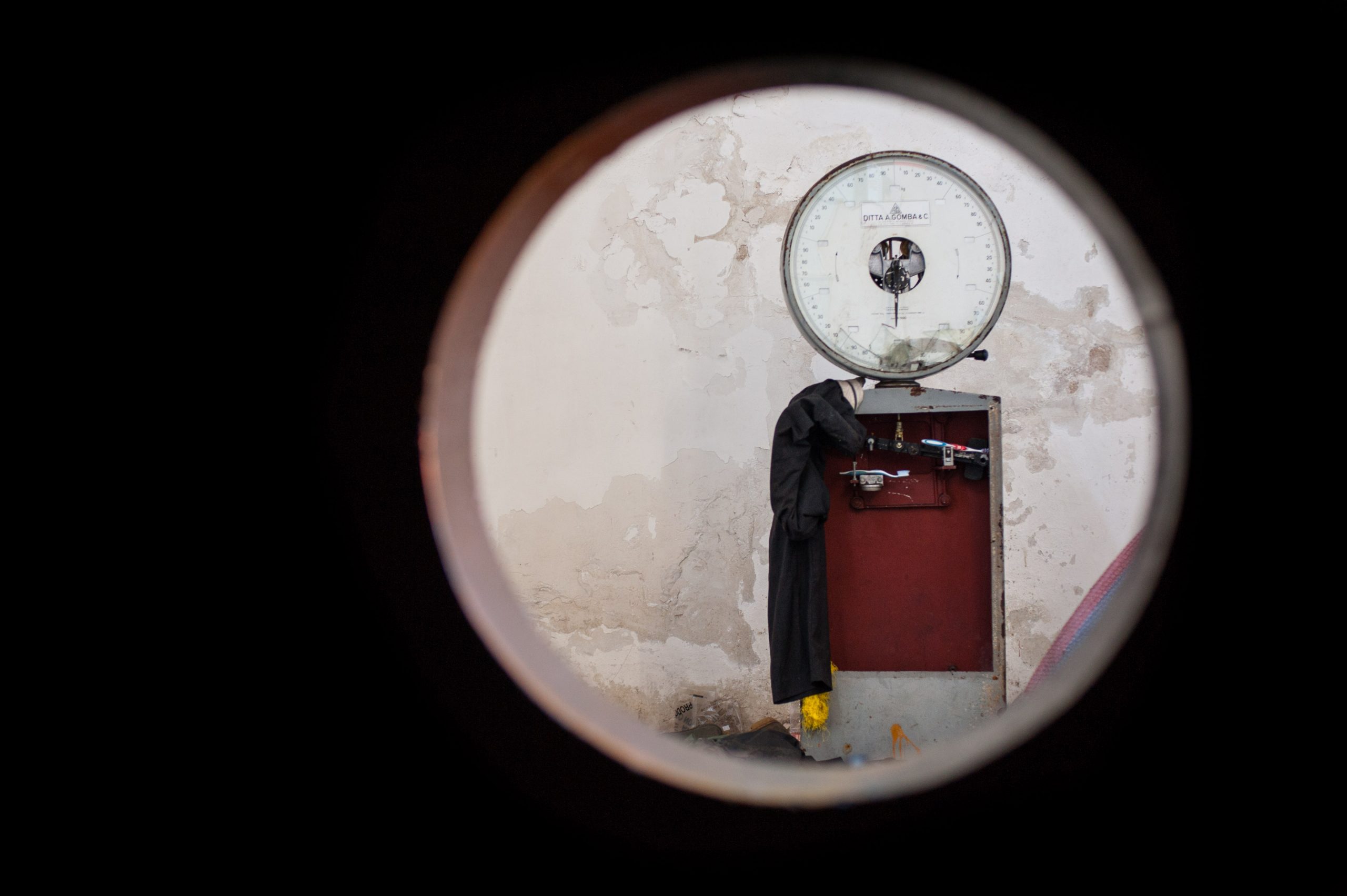
This New Year, Yusif found himself in Rosarno. Like most he found it peaceful; like a few, he found a job. Migrants are often employed at the large fruit farms in southern Italy, picking citrus for half the wage of an Italian worker. Living with some eight hundred refugees and migrants in a derelict warehouse, Yusif got to work on the fields for a couple of days. Then unfolded the events that would bring media attention from all over the world.