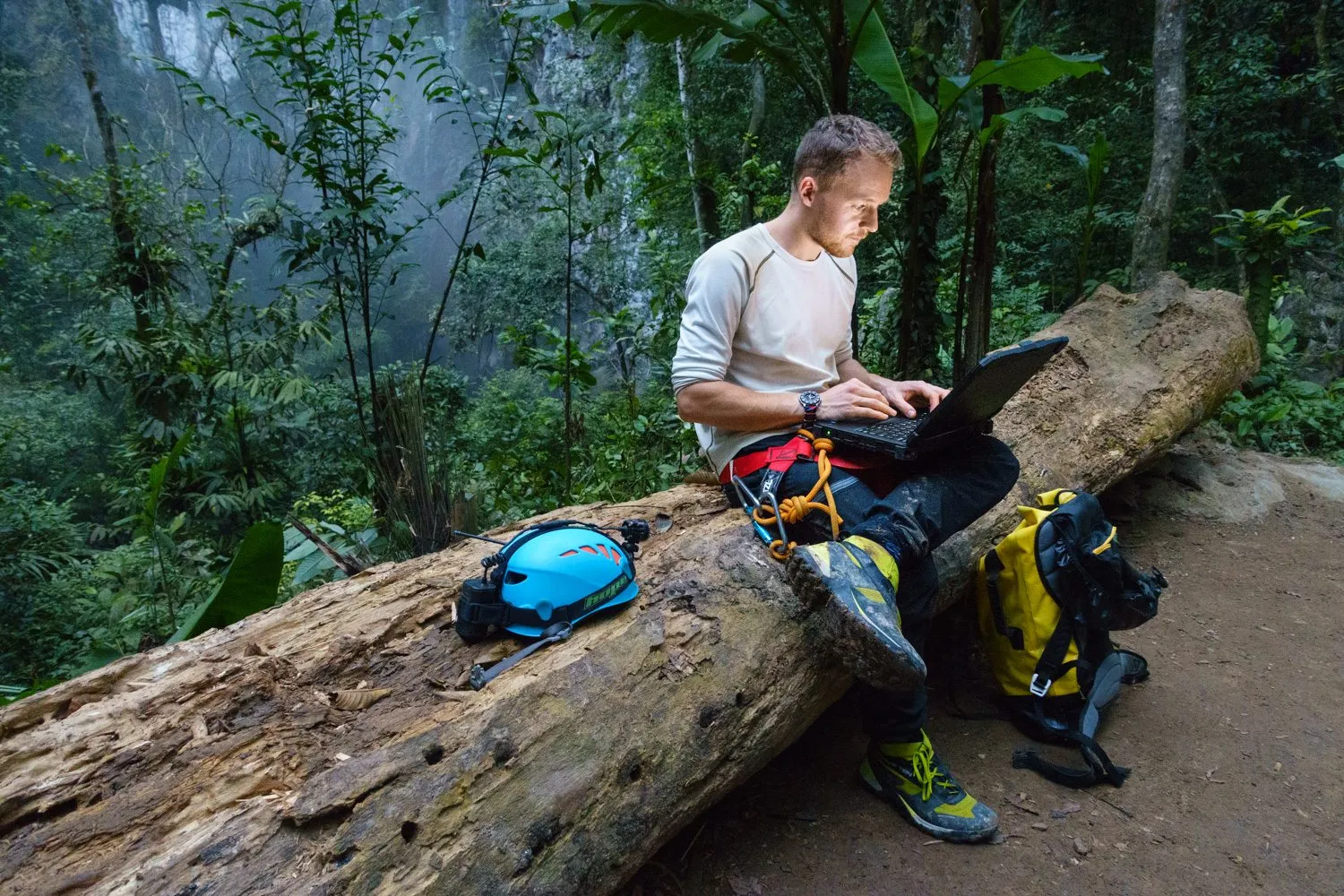
The short story
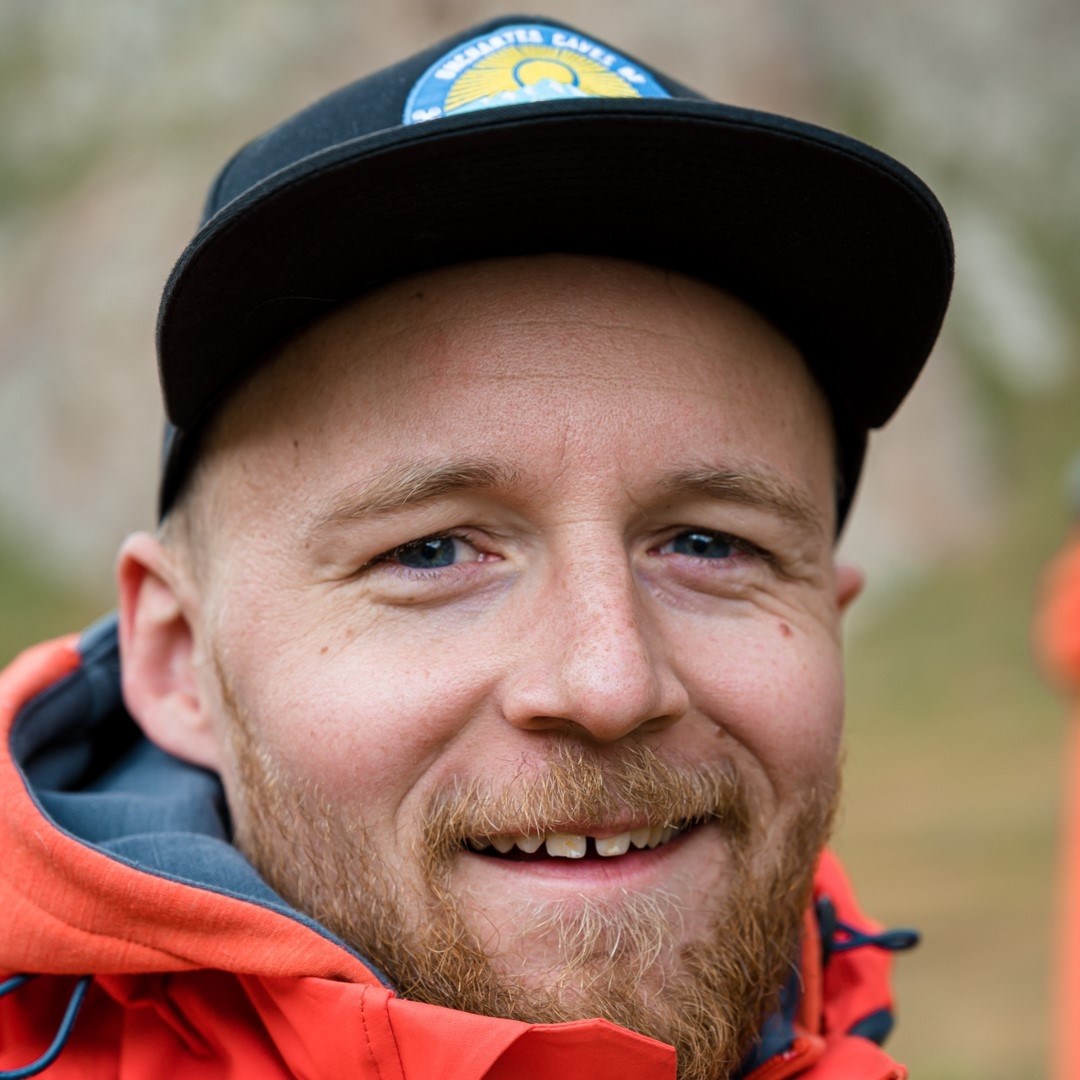
Photographer, director and National Geographic Explorer Martin Edström uses immersive and interactive techniques — including 360-degree photography, virtual reality and real-time 3D — to tell the important stories of our time in moving and inspiring ways.
Based in Stockholm, he works on assignment for editorial outlets and on long-form expedition projects, with travel, conservation, heritage and migration and displacement as recurring threads.
He has photographed in over 60 countries — from threatened heritage sites like Socotra in Yemen to the largest cave on Earth, Son Doong in Vietnam — and regularly works on still photo assignments for outlets including National Geographic, the New York Times and the Guardian, and organisations like the UNDP and Plan International.
In 2019, Martin served as Director of Virtual Reality on two large National Geographic expeditions: the Perpetual Planet expedition to Mount Everest and the Plastic: Sea to Source expedition along the Ganges.
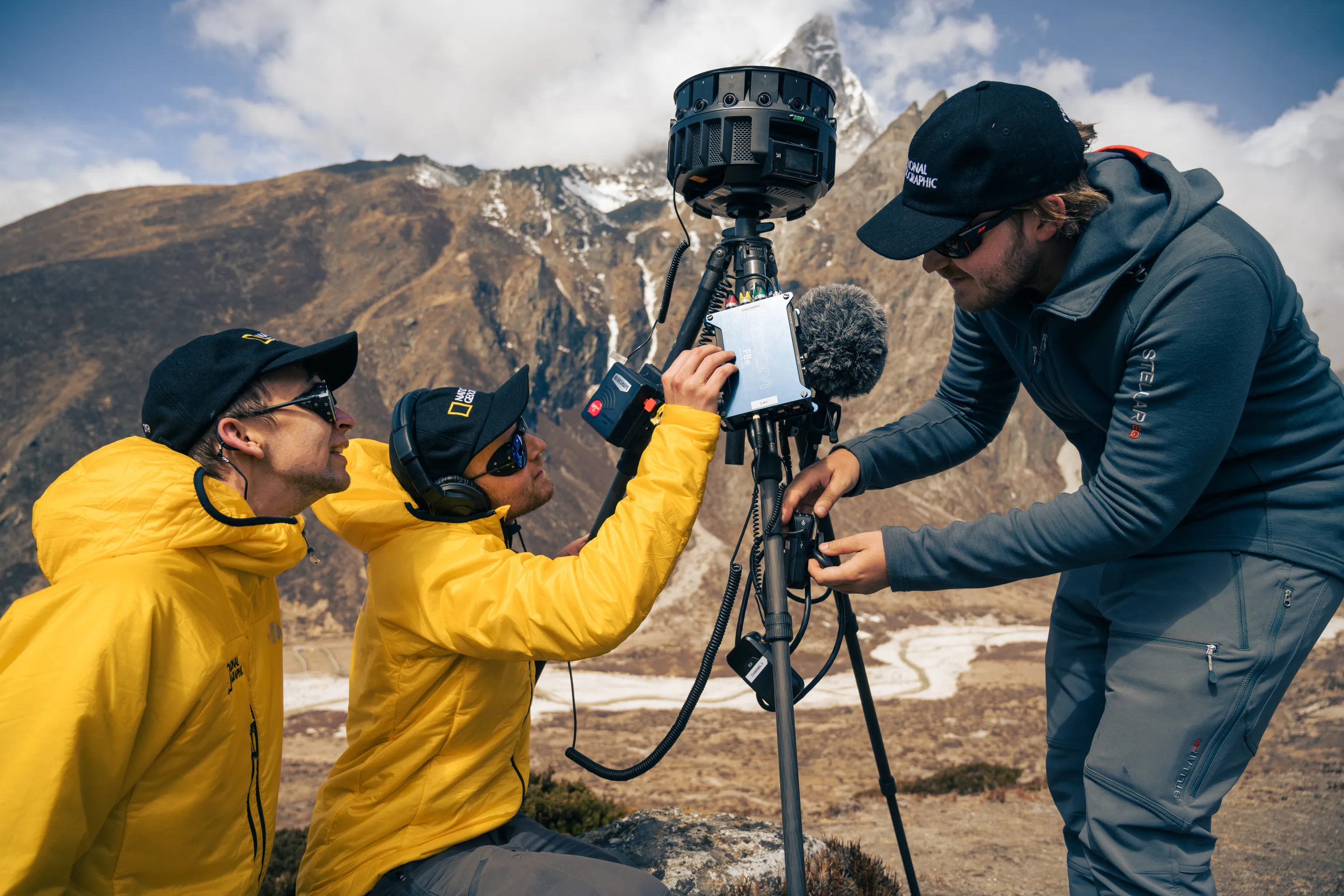
Pushing the storytelling formats
Martin’s work has consistently sat at the technical edge of how stories can be told. He published one of the earliest interactive 360-degree photo stories from a refugee camp in 2012 — Zaatari, Jordan — when consumer VR didn’t yet exist, and has since spent more than a decade prototyping new immersive formats in the field.
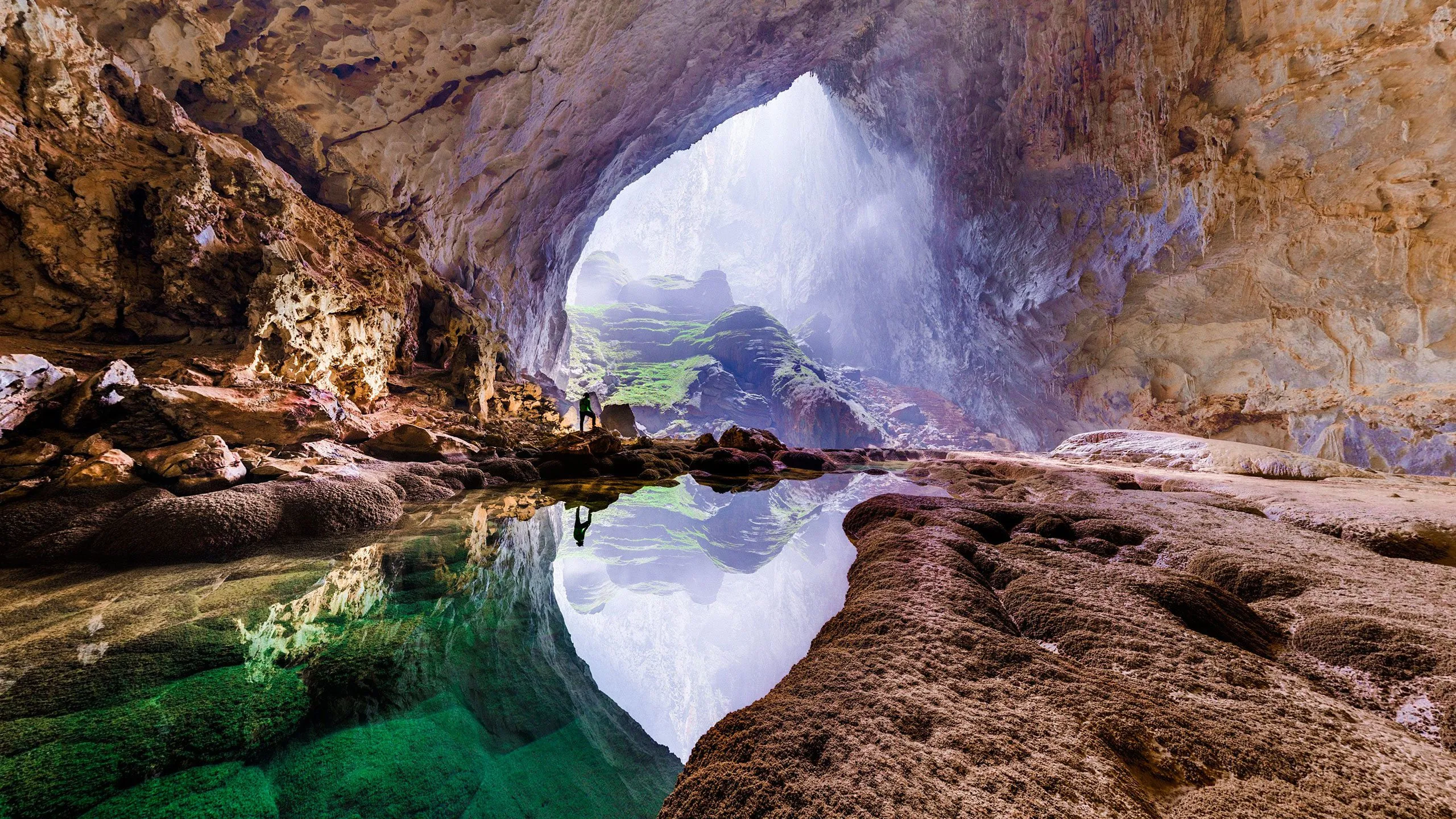
That includes Son Doong (2015), a gigapixel 360-photo project inside the world’s largest cave, photographed on an expedition of around fifty people — which became National Geographic’s first ever 360-photography story. Gibson the Lion (2017) was the first 360-video documentary filmed inside a wild lion pride, on a custom remote camera platform engineered from scratch with the National Geographic Remote Imaging team. Uncharted Caves of Kyrgyzstan (2019) used drone-based photogrammetry to discover new caves in remote terrain before the workflow was established practice — 78% of newly mapped cave openings were first spotted from the air rather than on foot.
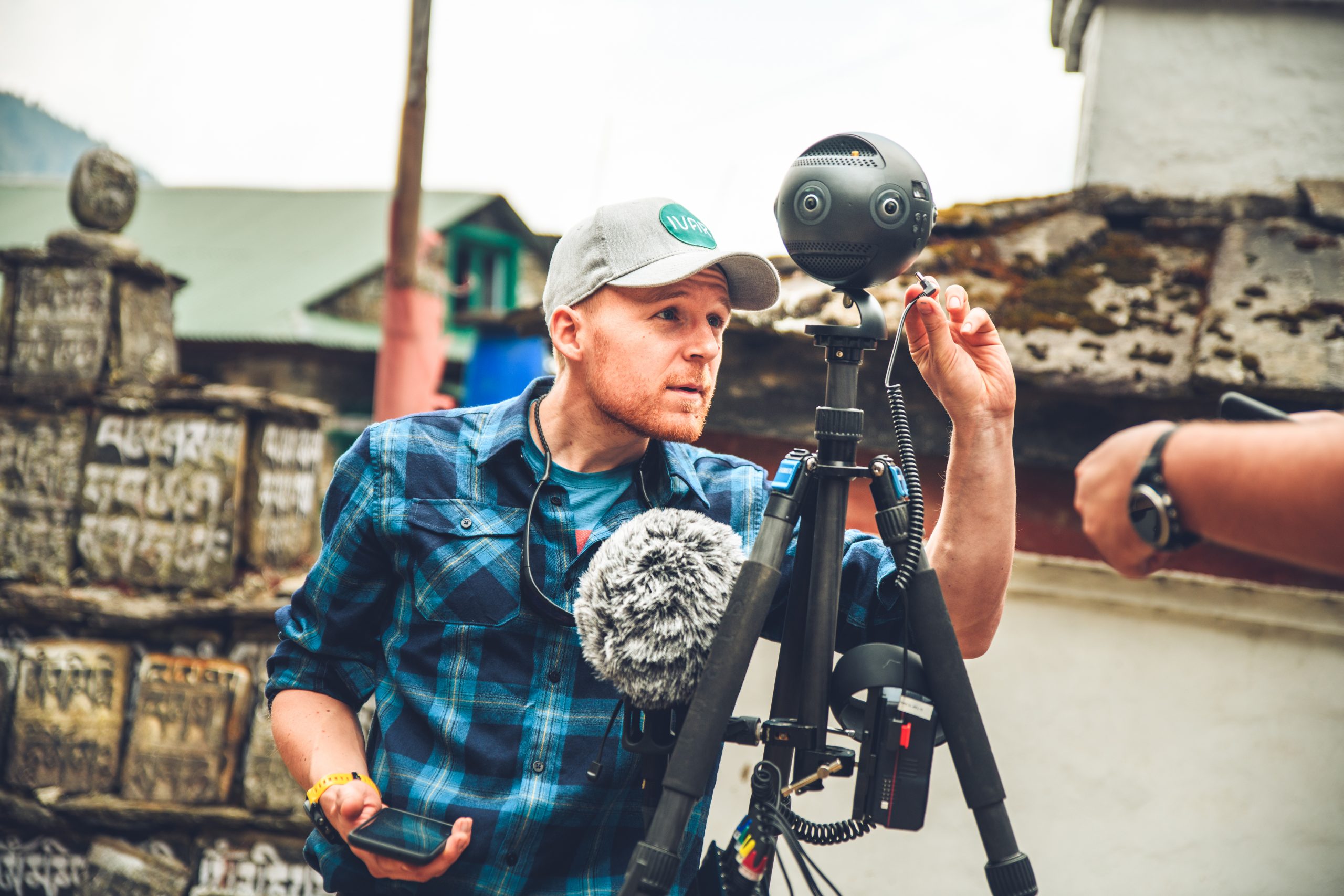
More recent work has shifted toward 3D and real-time delivery: photogrammetry of Stonehenge published as a consumer AR filter on National Geographic’s Instagram (2022), and Qikiqtaruk: Arctic at Risk — a WebXR experience built from years of scientific drone and point-cloud data on Qikiqtaruk in the Canadian Arctic (2024–). Together with IVAR Studios, Martin is now extending this practice into AI-driven narratives, exploring how generative models can complement field-captured material rather than replace it.
Reach has followed: Gibson the Lion alone has surpassed 50 million views on YouTube, with further reach across other platforms and at VR festivals.
This body of work has been recognized through Martin’s standing as a National Geographic Explorer and as a Fellow of The Explorers Club.
IVAR Studios
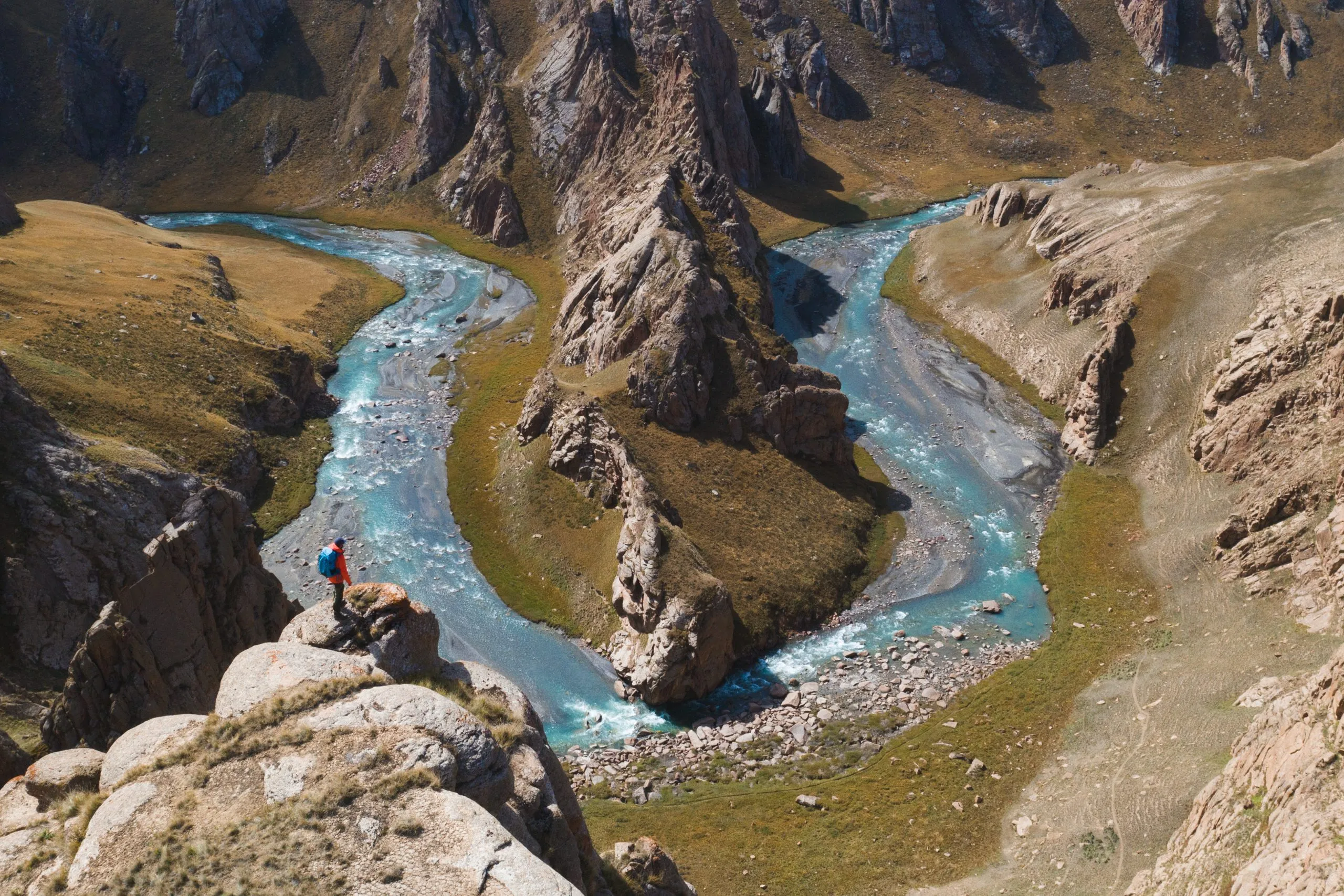
In 2016, Martin co-founded IVAR Studios in Stockholm together with his brother Fredrik Edström. The studio produces immersive work — film, VR, AR and WebXR, photogrammetry and 3D environments, museum installations and spatial experiences for Apple Vision Pro — for clients including National Geographic, the Guardian, Disney, Netflix, Meta, Google, the UNDP and EU-funded research programs.
Most of the immersive projects on this site, from Son Doong to Qikiqtaruk, were produced through IVAR Studios.
Documenting migration and displacement

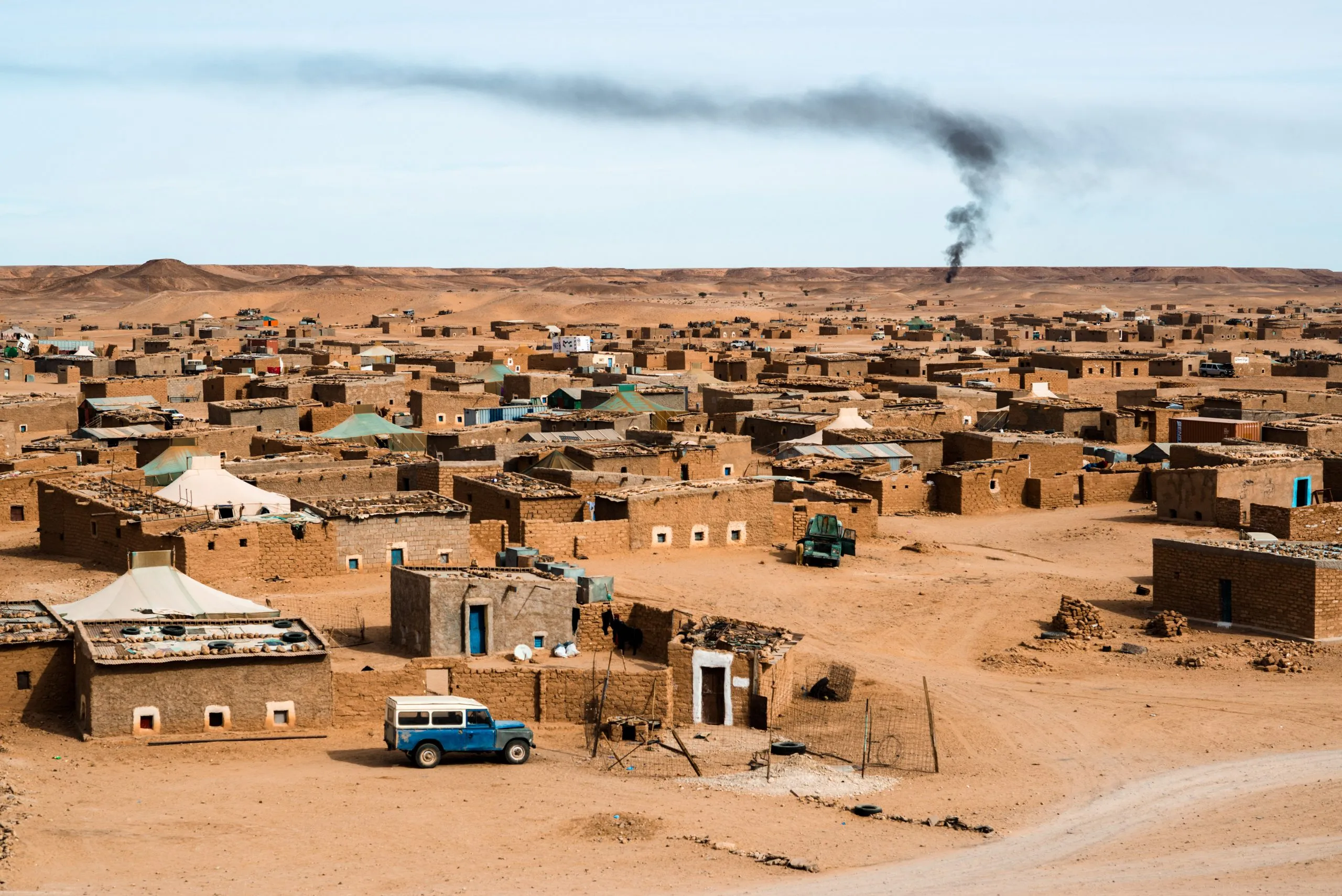
Growing up in Stockholm, Martin picked up his grandfather’s camera at the age of 12. During one of his first assignments at the age of 21, covering the refugee crisis in Malta, he started developing a focus on migration and displacement that has continued since. He has lived in or reported from over fifteen refugee camps across the Middle East and North Africa, and has delivered more than thirty stories on the topic for Swedish and European magazines.
In 2012, Martin published a first prototype of a virtual refugee camp, photographed in 360 degrees, where people could explore the Syrian refugee camp Zaatari for themselves. The response led him into a sustained branch of work using interactive, immersive techniques to put the viewer in the middle of the story.
Plastics and waste management
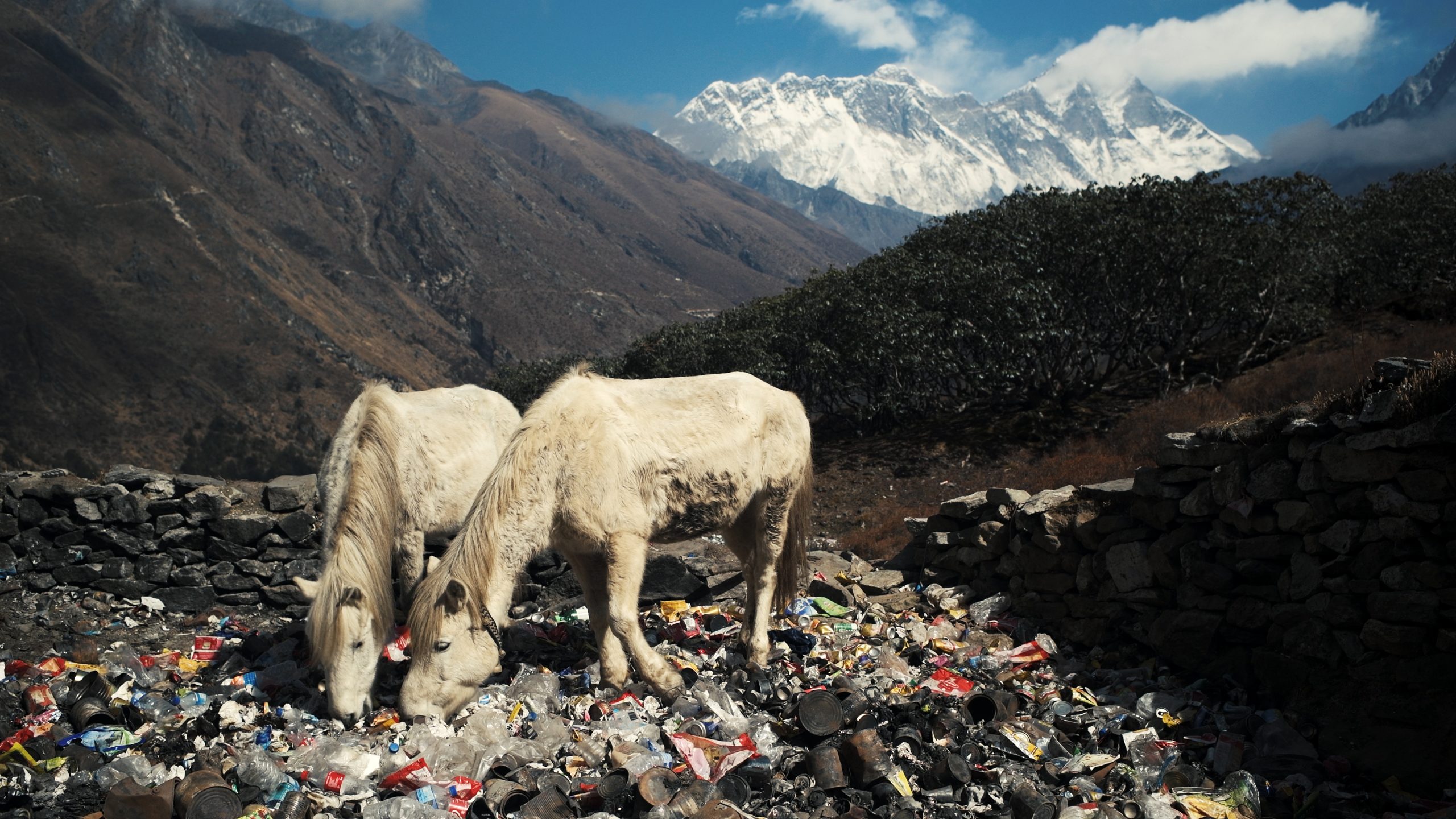
Plastics and waste management is a thread that runs through several projects — most prominently the Plastic on the Ganges VR series for National Geographic, and over fifteen years of documentary work in the Khumbu valley around Mount Everest, beginning in 2011. That long-running waste documentation has produced multiple media stories and is used by the local non-profit Sagarmatha Next, together with IVAR Studios, to communicate both the scale of the problem and the local-level solutions to it.
Selected awards
Martin has been awarded 1st prize in international competitions including Pictures of the Year International, the National Press Photographer’s Association Best of Photojournalism, the International Photography Awards, Travel Photographer of the Year and the Swedish Picture of the Year. The Everest VR series won both the People’s Voice and Best 360-Video Webby Awards.